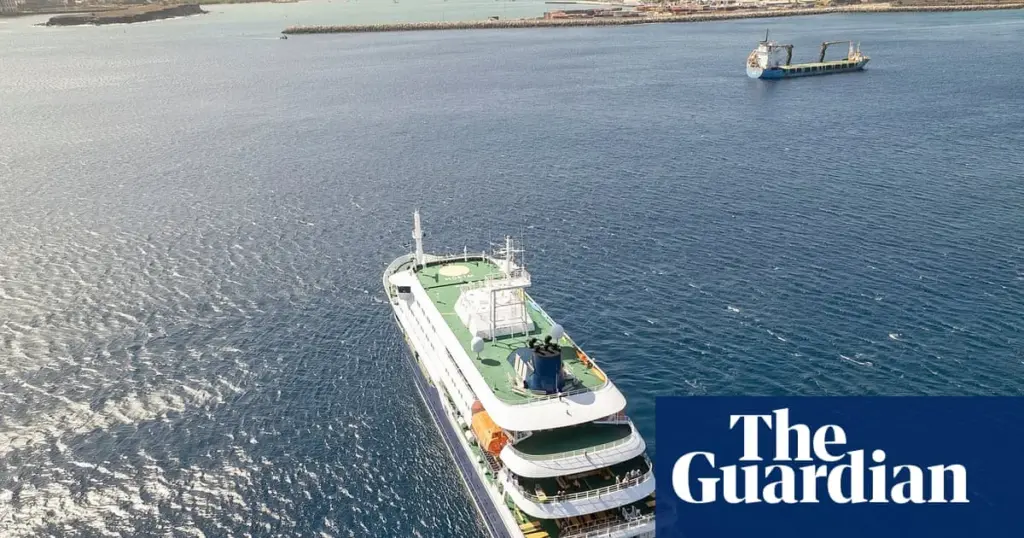
A suspected hantavirus outbreak on the MV Hondius cruise ship has killed three people and sickened at least three others. The outbreak occurred while the ship was traveling in the Atlantic Ocean, raising concerns about the virus’s spread among passengers and crew.
Associate Professor Vinod Balasubramaniam stated, “Hantaviruses are typically an environmental exposure linked to rodents.” The first victim was a 70-year-old man who died on board. There were approximately 150 tourists and around 70 crew members present during the outbreak.
The World Health Organization (WHO) is conducting detailed investigations, including laboratory testing and epidemiological investigations. Symptoms of hantavirus pulmonary syndrome can appear between one to eight weeks after contact with infected rodents.
Hantaviruses are primarily transmitted to humans through inhalation or contact with infected rodent faeces, urine, and saliva. There are at least 38 recognized species of hantavirus globally, 24 of which can cause disease in humans. Hantavirus pulmonary syndrome can be fatal in nearly 40 percent of infected individuals.
Dr. Sonja Bartolome noted that early in the illness, distinguishing between hantavirus and influenza can be challenging. Current evidence suggests that human-to-human transmission is rare but documented in some strains like the Andes strain in South America.
The WHO is collaborating with South Africa’s Department of Health to address this outbreak. The investigation will focus on identifying potential sources of rodent exposure and preventing further cases.
Health officials emphasize the importance of early medical attention for those exhibiting symptoms associated with hantavirus infections. There is no specific treatment or cure for these infections, but prompt care can improve survival chances.
This incident highlights ongoing concerns related to cruise ship outbreaks and infectious disease management in enclosed environments. Further updates are expected as investigations continue.
About The Author