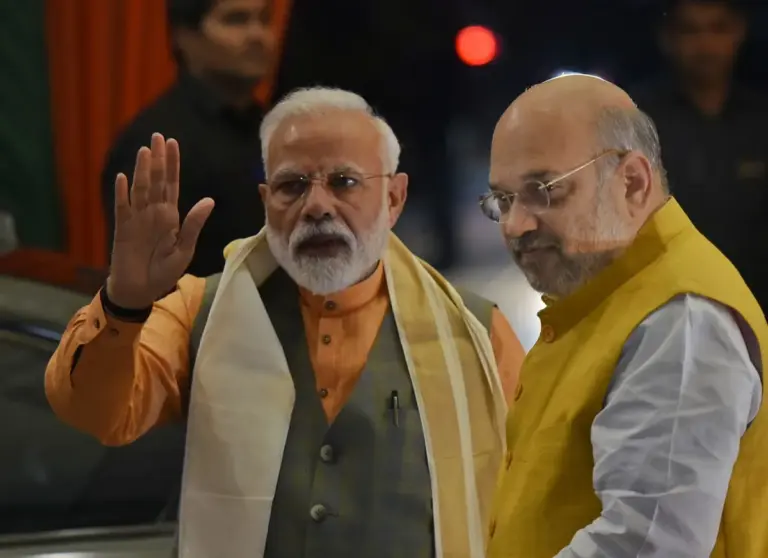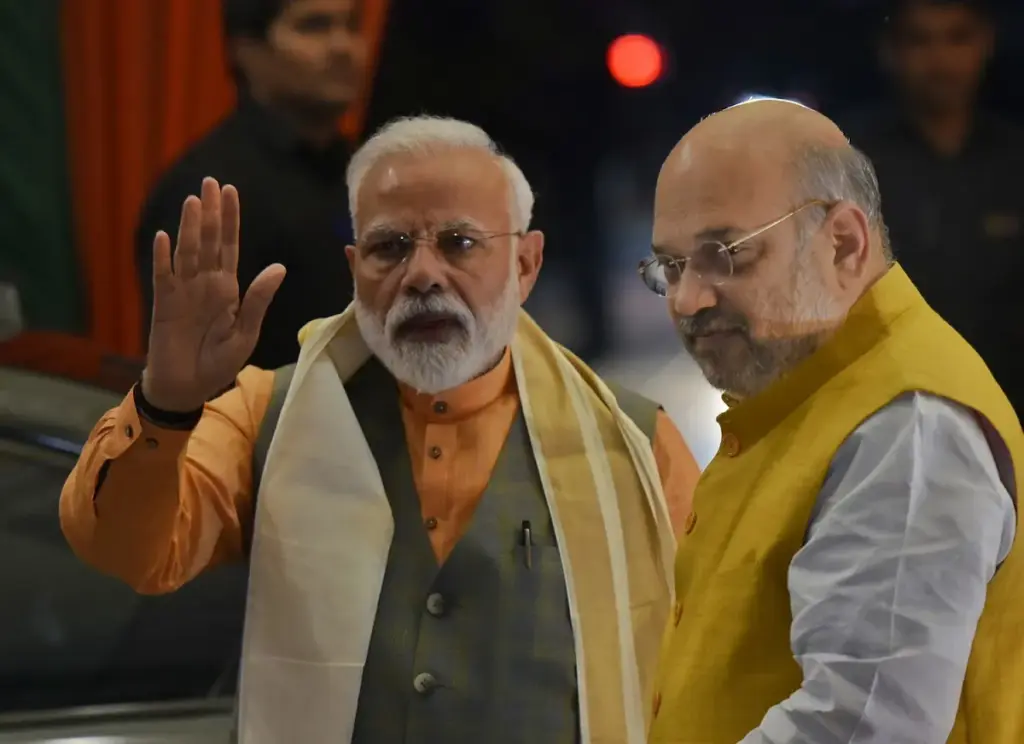
The BJP’s victory in West Bengal marks a historic shift in a state that has been a stronghold for the TMC and Mamata Banerjee for over a decade. On May 4, 2026, the BJP claimed its first win in the state, leading in 200 out of 294 seats by late afternoon.
Mamata Banerjee’s All India Trinamool Congress (TMC) managed to secure only 87 seats. This outcome contrasts sharply with their previous dominance, where TMC had been the ruling party since 2011.
Voter turnout reached an impressive 92.93 percent, with nearly 68.2 million people casting ballots. The high turnout reflects significant public engagement, despite the Election Commission’s controversial decision to remove over nine million voters from electoral rolls.
The BJP’s campaign effectively tapped into anti-incumbency sentiments against the TMC. Their previous best performance was only 77 seats in the 2021 elections. This decisive win is expected to bolster Narendra Modi’s political standing as he navigates his third term.
Experts view this shift as a pivotal moment for both parties. Praveen Rai noted that it enhances Modi’s leadership stature and extends the BJP’s influence across India. Meanwhile, Rahul Verma pointed out that while Mamata remains popular, there is visible anti-incumbency against her party machinery.
Seema Das criticized Banerjee’s focus on appeasing specific voter blocs rather than addressing broader economic issues. The BJP’s success signifies a breakthrough in a region where it has historically struggled.
The Modi government deployed 2,400 companies of paramilitary troops to maintain order during the elections. This move underscores the intense political climate surrounding these crucial votes.
About The Author