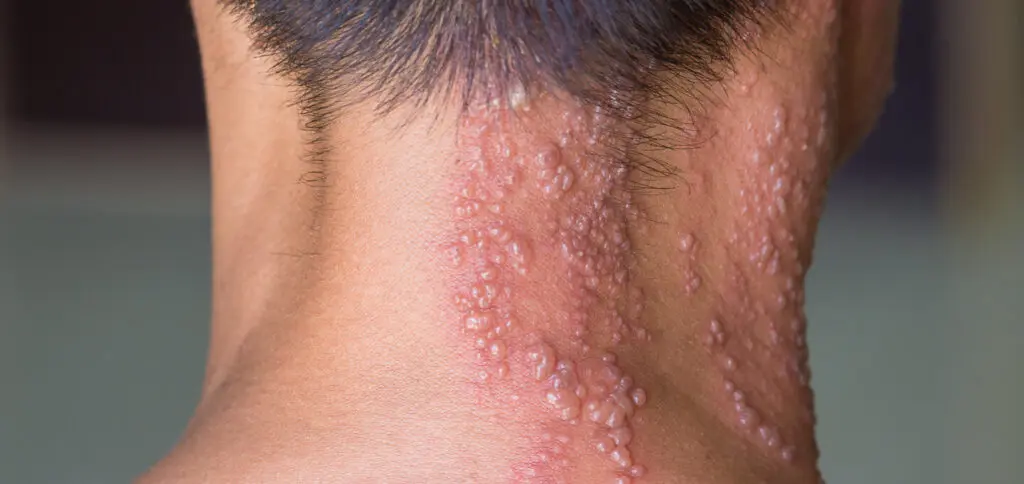
Shingles starts with a burning patch of skin tingling or sharp pain then a rash appears on one side of the body. The varicella-zoster virus, which causes chickenpox becomes active again years later. In Canada the risk of shingles increases with age and is higher for people with immune systems.
What causes shingles?
Shingles is not a version of chickenpox. It’s the virus waking up. After someone has chickenpox the varicella-zoster virus stays in the body. Later it can. Cause shingles. The Canadian Immunization Guide describes shingles as a result of varicella-zoster virus reactivation.
The symptoms are not always obvious at first
The rash gets attention. Pain often comes first. People may feel burning, itching, tingling, numbness or a stabbing sensation in one area of skin. Then the rash appears. It tends to be painful, blistering, limited to one side of the body or face and clustered in a band- pattern.
Who is at risk?
Anyone who has had chickenpox can get shingles. The risk is higher in adults and people with weakened immune systems. Having shingles once does not make a person immune forever. Recurrence can happen.
Is shingles contagious?
You cannot catch shingles from someone. Immediately develop shingles yourself.. The virus can spread from a person with shingles to someone who has never had chickenpox or the chickenpox vaccine. Keep the rash covered avoid touching or scratching the blisters wash hands often and be careful around newborns, people who are not immune to chickenpox and people with weakened immune systems.
Treatment works early
For suspected shingles timing matters. Antiviral medication may reduce the severity and length of symptoms. It is most useful when started quickly. Doctors may also prescribe medication for pain and swelling.
Prevention in Canada: what the vaccine guidance says
Vaccination is the prevention tool. In Canada, the zoster vaccine, Shingrix is currently the only shingles vaccine authorized for use. NACI recommends zoster vaccine for adults 50 and older.
Coverage depends on where you live
The recommendation and the bill are not always the same thing. Provinces and territories decide how public vaccine programs are funded and who qualifies. That means access can vary by age, medical risk and location.
What to do if you think it is shingles
A painful one-sided rash deserves a call to a health professional. Do not scratch the blisters. Keep the area clean and covered. Avoid contact with people at higher risk from chickenpox exposure until the blisters crust over.
FAQ
Yes. A previous shingles episode does not rule out another one later.
Shingles usually happens in people who have previously had varicella-zoster infection.
The rash often clears over a weeks but nerve pain can last longer.
Most cases occur in adults but younger adults who are immunocompromised can be at higher risk.
Shingles is common, painful and easy to underestimate in the few days. The best window for treatment is early and the best prevention conversation is before the virus reactivates. For Canadians over 50 and for adults, with immune-system risks vaccine eligibility is worth checking directly.