A bettor who understands price, probability, and stake size can read a sportsbook screen with more control. The point of learning how sports betting odds work is not to predict every result, but to know what the number beside a team or player actually means. In Canada, many bettors see decimal prices first, while American odds still appear across different platforms and media. A clear reading of sports betting odds helps separate possible payout from real chance. The bettor should always connect the price with context, market type, and personal CAD budget before placing a bet.




How to read betting odds in decimal and American formats
Learning how to read betting odds starts with recognizing that every format tells the same story in a different visual style. Decimal odds show total return per unit staked, while American odds show profit linked to a positive or negative number. A bettor should not choose a market only because one format looks easier. The useful habit is to translate the price into implied probability and then compare it with the bettor’s own view of the event. This is where betting odds become practical information instead of just numbers on a screen.
Decimal odds and implied probability in basic bets
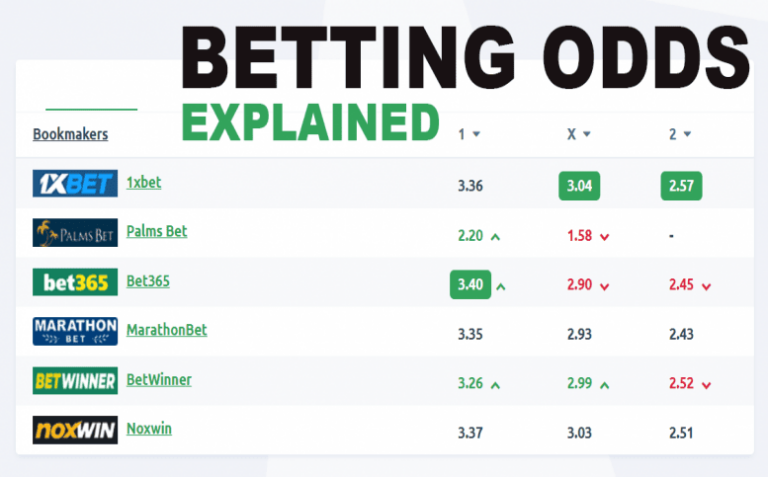
Decimal odds are common in Canada because they are direct and easy to connect with payout. If a selection is priced at 2.00, a CAD stake would return double the stake if it wins, including the original stake. That does not mean the pick is “safe”; it only shows how the sportsbook prices the possible result. A basic guide to how sports betting odds work should always explain that lower odds imply a higher chance and higher odds imply a lower chance. The bettor still needs to compare that implied chance with team news, form, and market conditions.
| Odds format | Sample price | What it shows | Payout view | Common mistake |
| Decimal | 2.00 | Total return per 1 unit | Stake plus profit | Treating return as guaranteed |
| American plus | +150 | Profit on 100 units | Higher underdog-style return | Ignoring lower probability |
| American minus | -150 | Stake needed for 100 profit | Favorite-style price | Assuming low risk |
| Fractional | 3/2 | Profit ratio | Profit plus stake | Misreading total return |
| Implied probability | 50% style | Estimated chance | No direct payout | Forgetting sportsbook margin |
American odds and plus minus price logic explained
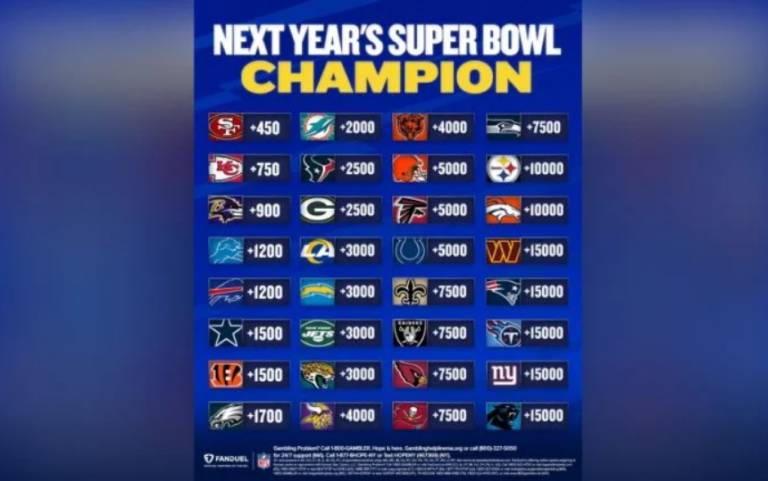
American odds look less obvious at first, but the plus and minus signs have a simple purpose. A plus price shows how much profit a bettor could make on a standard stake, while a minus price shows how much must be staked to make a smaller fixed profit. That is why a favorite often carries a minus price and an underdog often carries a plus price. When how do betting odds work appears confusing, the answer usually starts with this favorite-underdog relationship. The bettor should still avoid judging value only from the sign, because market context matters more than the symbol.
Sports betting odds explained for moneyline, spread and totals markets
Different markets use odds in different ways, so the bettor needs to understand what is being predicted. A moneyline asks who wins, a spread asks whether a team covers a margin, and a total asks whether combined scoring lands over or under a number. In that sense, sports betting odds explained properly means explaining both the price and the market rule. A good price on the wrong market is still a poor decision. Bettors should read the selection, settlement rule, and possible push before thinking about payout.
Moneyline markets and favorite underdog price movement basics
Moneyline betting is the simplest market because it focuses on the winner. The favorite usually has a shorter price, while the underdog has a longer price and a larger potential return. The price can move when injuries, lineup news, weather, or public interest changes the market. This is why sports betting odds should be read as moving information, not fixed truth. A bettor who notices movement should ask why it happened before treating it as a signal.
Point spreads and totals use settlement rules that change the betting result
Point spreads and totals introduce settlement details that moneyline bets do not have. A spread can win, lose, or push if the final margin lands exactly on the posted number. A total can also push when the combined score matches the line. For bettors asking how do sports betting odds work, this is where rules become as important as price. The bettor should understand whether the market includes overtime, extra time, or other sport-specific conditions. Anyone learning how to read sports odds should check the selection, line, price, and settlement rule before calculating a possible payout. Reading settlement terms before betting is not exciting, but it prevents avoidable confusion.
Probability, margin and line movement in betting markets
A sportsbook price includes probability, demand, and margin, so it is not a pure prediction. When bettors study how sports betting odds work, they should notice that a price can change even when the actual teams have not changed much. Sportsbooks may react to injury reports, sharp action, lineup confirmation, or public money. The same team can be priced differently across books because each operator manages risk in its own way. A bettor looking for value should compare price, reason, and timing rather than following movement blindly.
Why sportsbook margin changes true implied probability for bettors
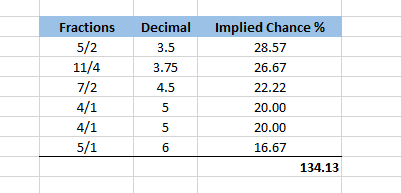
Implied probability gives a quick estimate of what the price suggests, but it does not remove sportsbook margin. If both sides of a market add up to more than a clean 100%, that extra gap is part of the book’s built-in edge. This is why understanding sports betting odds requires more than converting one number into a percentage. A bettor needs to know that the listed price may be slightly less generous than the fair probability. Comparing prices across markets can help, but it still does not make a bet automatically smart.
Line movement from injuries news and public action
Line movement can happen before a game, during live betting, or after major information becomes public. The bettor should avoid assuming every move means hidden knowledge. Some movement reflects real news, while some reflects public pressure or sportsbook balancing. A useful check is to compare the move with injuries, lineup updates, weather, and market timing before reacting. If the reason is unclear, waiting can be safer than following the number simply because it changed.
- Injury: A missing starter can change price, pace, and player prop expectations.
- Weather: Outdoor events may shift totals when wind, rain, or field conditions matter.
- Public Money: Popular teams can draw action that moves price without improving value.
- Sharp Action: Larger respected bets may influence movement earlier than casual interest.
- Line Movement: A changing number should be checked against the reason behind it.
- Closing Price: The final market price can show whether the early read was efficient.
After these checks, the bettor can decide whether the movement still supports the original idea. A moving line is useful only when the reason behind it makes sense.
Payouts, stake size and CAD bankroll in betting
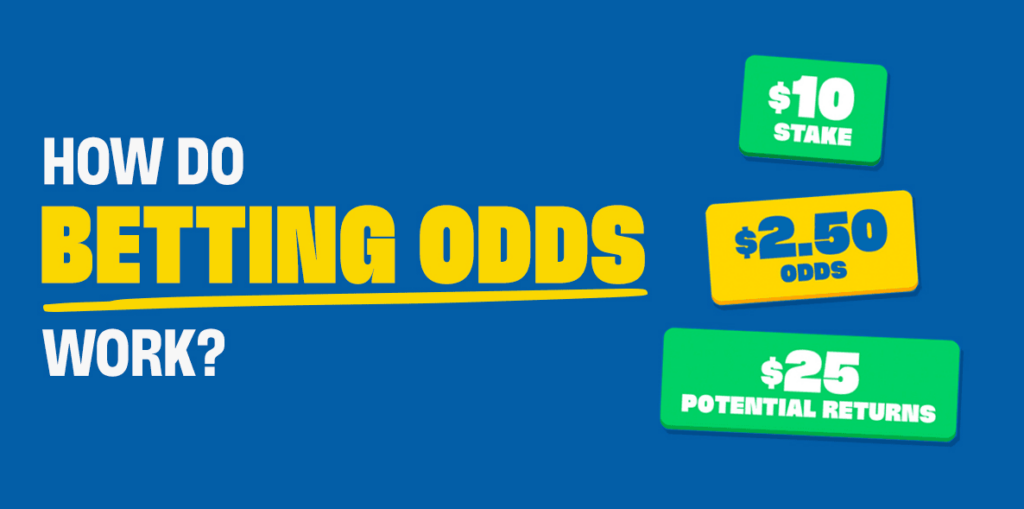
A payout calculation is not the same as an expected result. When betting odds explained content is useful, it shows how stake, price, and return connect without making the return feel certain. A CAD bankroll should be managed before the event starts, not after emotions rise during a game. The bettor should know how much can be lost, how much could return, and why the market was chosen. This makes the bet easier to review later, even if the result goes the wrong way.
Stake size and potential payout before placing bets
A bettor should calculate stake and possible return before confirming a ticket. This keeps the decision tied to budget rather than excitement. It also helps compare one market with another in a calm way. People learning how to read betting odds often focus on the payout first, but the risk comes before the reward. A useful check is to ask whether the same stake would still feel reasonable if the bet lost. If the answer is no, the bettor should lower the amount before looking at the possible return again.
- Choose Market: select moneyline, spread, total, prop, or futures before looking at payout.
- Enter CAD Stake: use a stake that fits the bankroll and does not depend on one result.
- Check Odds: confirm the price format and understand what return it implies.
- Calculate Return: review potential payout while remembering it is not guaranteed.
- Compare Risk: decide whether the price still fits the event context.
This order helps the bettor slow down before confirmation. The number on the slip should support the decision, not create pressure to bet.
Parlay risk when several outcomes are combined together
Parlays can look attractive because several outcomes create a larger displayed return. The risk is that every leg must land, so one missed selection can lose the whole ticket. This is why how sports betting odds work becomes more important when multiple events are combined. A bettor should ask whether each leg would still make sense as a single bet. If the answer is no, the parlay is likely being built around payout rather than analysis.
| Pros | Cons |
| Reading the potential payout helps a bettor understand the exact return before confirming a ticket. | A large parlay payout can make the risk look smaller than it actually is. |
| Comparing odds formats can reduce confusion when switching between sportsbook screens. | A high price can be mistaken for value even when the implied probability is weak. |
| Using a fixed CAD stake keeps the bet tied to bankroll rather than emotion. | |
| Understanding market rules makes it easier to avoid mistakes with pushes and settlements. |
FAQ for beginners learning odds and safe betting basics
What is the simplest way to read odds?
The simplest method is to check what the price says about possible return and estimated chance. Lower prices usually point to a more likely outcome, while higher prices usually show a larger risk. The market type also matters, because each bet has its own settlement rule.
Why can two sportsbooks show different prices?
Two sportsbooks may adjust prices at different speeds based on injuries, betting volume, or risk management. One operator can move early, while another may wait for stronger confirmation. Comparing prices helps, but the bettor still needs to understand the event context.
How should beginners compare prices before betting?
Beginners should compare the same selection across markets only after reading the rules. A better number is useful when the risk and settlement conditions are identical. Stake size should stay consistent instead of changing because one price looks more attractive.
When does a price become too risky?
A price becomes too risky when the bettor cannot explain why it makes sense. A large possible return can simply reflect a very unlikely outcome. If team news, rules, or market movement are unclear, waiting is usually the better choice.