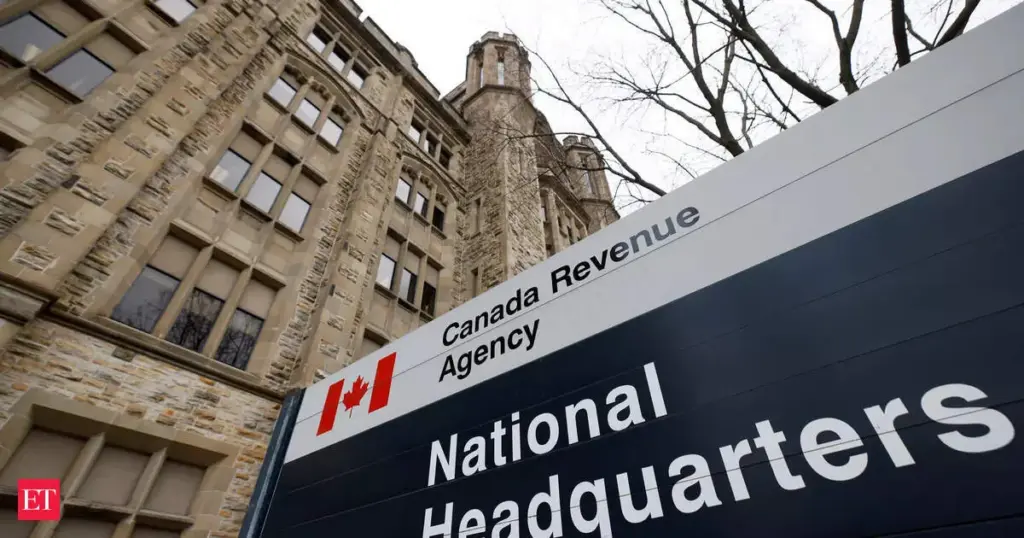
In May 2025, the Canada Revenue Agency (CRA) issued a $4,958,716.63 tax refund to Teresa Wallace. This refund stemmed from a bogus return that claimed nearly $10 million in foreign income. Yet, Wallace only earned $54,000 annually.
The CRA flagged the refund for manual review. However, no follow-up occurred. Two months later, the agency identified the error.
The CRA stated that one of the forms on file was invalid. This invalid form led to the erroneous refund. Authorities now believe that no taxes were paid on the claimed income.
As a result, Teresa Wallace now owes $7.9 million, including interest and penalties. The case has entered legal and recovery proceedings as authorities track assets linked to the payout.
This incident has raised serious concerns about the CRA’s oversight and verification processes. “The refund should never have been issued in the first place,” said an insider familiar with the matter.
Experts highlight a breakdown in oversight. The refund had reportedly been flagged for manual review before approval—yet it was still processed.
The CRA is now reviewing its internal processes following this incident. They aim to strengthen review processes for large refunds and introduce stricter validation checks.
This case continues to trend globally. It serves as a key example of how even advanced tax systems can face unexpected failures.
About The Author