
After winter, many Canadians notice sneezing, congestion, itchy eyes, or coughing before tree pollen becomes obvious. A careful look at Snow mold allergy helps explain why symptoms can appear when snow melts and damp organic matter becomes exposed. The issue is usually not the snow itself, but spores released from mould growing on grass, leaves, soil, and wet debris. People with asthma or sensitive airways may react more strongly when outdoor moisture, wind, and yard cleanup overlap.
The goal is to reduce exposure, track symptoms, and know when medical advice is needed. The pattern can be confusing because symptoms may appear on mild days, then fade when the ground dries or outdoor contact decreases. A person may also notice stronger irritation after raking, walking through damp grass, or opening windows during windy conditions. Simple habits, such as changing clothes after outdoor work and watching breathing changes, can make the season easier to manage.
Snow mold allergy symptoms after winter snow melts in Canada
When snow cover disappears, damp lawns and matted leaves can release irritants into the air. Many people describe Snow mold allergy symptoms as similar to early spring hay fever, especially when sneezing and itchy eyes appear after being outside. The reaction may be mild for one person and more noticeable for another, depending on asthma, previous allergies, and how much time is spent around wet grass. A person should not assume every spring symptom is caused by mould, because colds and other irritants can look similar. Tracking timing, location, and repeat exposure makes the pattern easier to understand.
Early signs that feel like spring hay fever
Early symptoms often show up after outdoor work, walking through damp areas, or standing near melting snowbanks. A person may notice a runny nose, blocked nose, watery eyes, throat irritation, or a cough that feels tied to postnasal drip. In this situation, Snow mold allergy may feel very close to pollen allergy, even when pollen levels are still low. Itching is often a useful clue, because itchy eyes and nose are more typical of allergy than a simple cold. If breathing becomes tight, wheezing appears, or asthma worsens, medical advice should not be delayed.
When snow mold symptoms can mimic a cold
A cold can involve congestion, coughing, and tiredness, so the difference is not always obvious. A cold often develops gradually, may include body aches or fever, and usually follows a different pattern from outdoor exposure. Snow mold symptoms can look similar, especially when irritation appears after time near wet grass, mouldy leaves, or thawing yard debris. Allergy-type reactions often repeat in the same outdoor conditions. The table below helps organize clues without replacing a diagnosis. If symptoms are severe, persistent, or involve breathing trouble, a clinician or allergist can help check the cause.
| Symptom | Allergy clue | Cold clue | Timing clue | What to monitor |
| Sneezing | Repeats outdoors | May come with illness | After thaw or yard work | Frequency and triggers |
| Runny nose | Clear drainage | May thicken over time | Outdoor exposure pattern | Duration and colour |
| Congestion | Comes and goes | Often steady | Worse after damp areas | Sleep and breathing |
| Itchy eyes | Common allergy sign | Less typical | Windy or mouldy areas | Redness and watering |
| Cough | Postnasal drip feel | Chest illness possible | After chores | Wheeze or tightness |
Snow mold exposure around lawns, leaves and damp surfaces
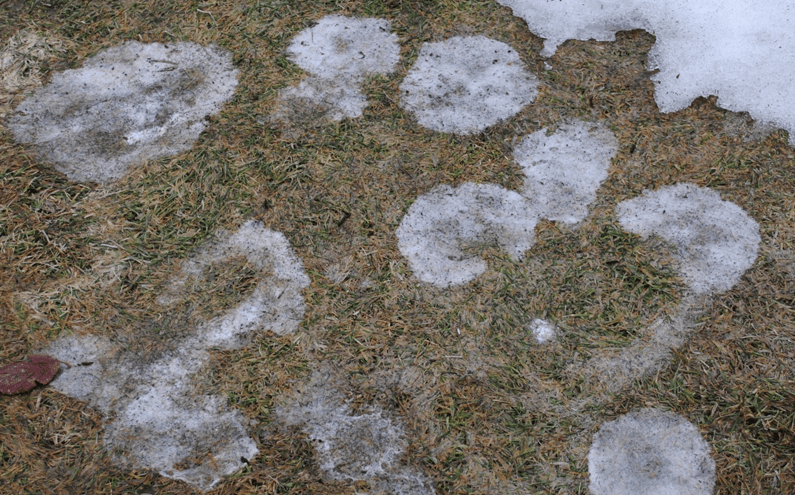
Exposure usually increases when snow retreats and the ground underneath stays wet. At that point, Snow mold can become more noticeable on lawns, especially where grass stayed covered, matted, and poorly ventilated. The visible patches are not the only issue, because spores and fragments can move when the surface is disturbed. A person may react after raking, walking through damp grass, moving old leaves, or cleaning around shaded areas. Reducing contact is often more useful than trying to identify every patch by appearance.
Why spores rise when snow cover disappears
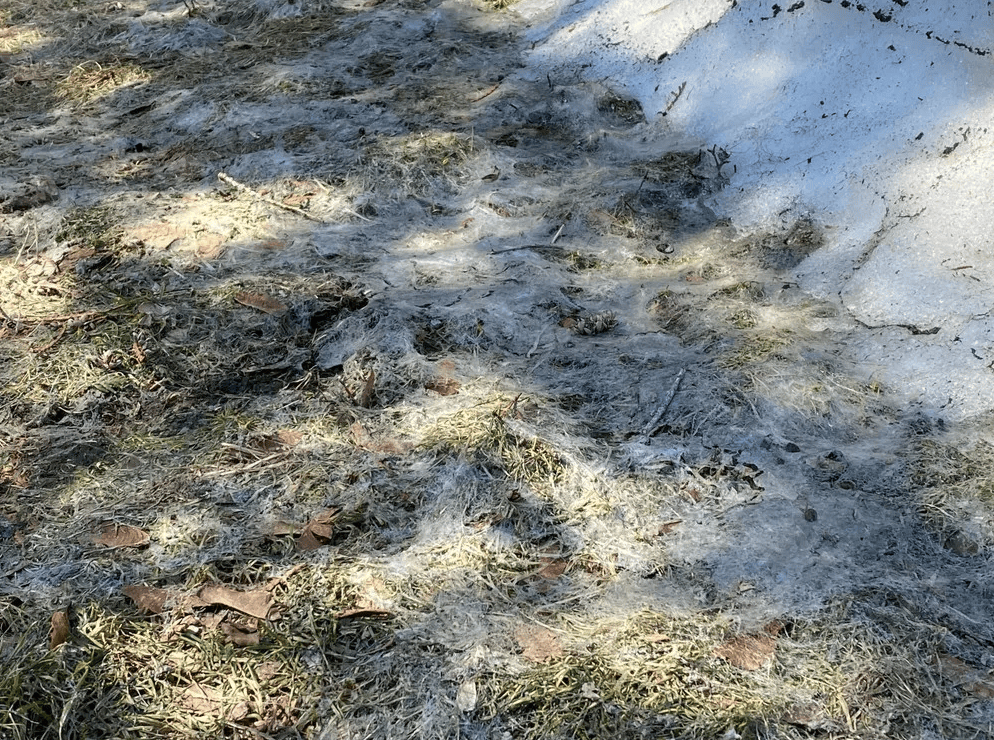
During thaw periods, the layer under the snow can stay damp long enough for mould to persist on organic matter. When the surface dries, wind or activity can lift particles into the air. Someone with Snow mold allergy may notice symptoms most clearly after the first yard work sessions or walks near wet lawns. This does not mean every damp area is dangerous, but repeated exposure can irritate sensitive noses and lungs. The practical response is to treat early spring cleanup as an exposure event, not just a chore.
Outdoor chores that may increase mould contact
Outdoor chores are not the problem by themselves; the issue is contact with spores, wet leaves, and damp plant material. A person can lower exposure by planning cleanup, wearing simple protection, and changing clothes afterward. Shorter cleanup sessions can also help when symptoms tend to appear after raking or moving old leaves. It is useful to avoid shaking damp clothing indoors, because particles can spread into living areas. After the work is finished, washing hands and keeping outdoor shoes near the door can reduce what gets carried inside.
- Raking: Moving matted leaves and grass can release spores into breathing space.
- Snowbanks: Old piles can uncover wet debris as they shrink and collapse.
- Wet leaves: Decaying leaves may hold moisture and mould longer than open grass.
- Grass: Matted lawn areas can release particles when walked on or brushed.
- Shoes: Footwear can carry damp debris indoors after yard work.
- Clothing: Jackets and gloves can hold particles until they are washed or aired out.
After outdoor work, showering, changing clothes, and keeping shoes near the door can reduce indoor transfer. These habits are simple, but they work best when repeated during thaw periods.
Snow mould allergy and allergies in March Canada explained
In Canada, early spring symptoms can appear before many people expect seasonal allergies to begin. The phrase allergies in march Canada often reflects this confusion, because snowmelt, damp ground, indoor dust, and early pollen can overlap. Weather patterns matter because thaw, rain, wind, and freeze-thaw cycles change how spores move. A symptom diary can help separate one-time irritation from a repeating seasonal pattern. The spelling Snow mould allergy is also common in Canadian English, but the practical concern stays the same: mould exposure may trigger allergy-like symptoms.
Why March symptoms can start before pollen season
Symptoms can begin before a person notices trees budding or grass growing. Damp organic matter under old snow can become exposed, and indoor ventilation may still be limited after winter. A person with Snow mold allergy may feel worse after yard cleanup, walking dogs near wet grass, or opening windows during damp windy periods. This timing can make the reaction feel surprising. The key is not to guess the cause too quickly, but to record where symptoms happen and what conditions were present.
Regional weather patterns that change symptom intensity
Weather can change exposure even within the same neighbourhood. A quick thaw may uncover wet lawns, while a windy dry day can move particles more easily. Rain can reduce airborne particles for a while, yet dampness can keep organic matter active. In shaded yards, Snow mold may remain noticeable longer than in open sunny areas. The table below gives practical patterns to watch.
Spring prevention at home and outdoors
Prevention focuses on lowering contact, not creating a perfectly sterile yard. People dealing with Snow mold allergy often benefit from planning outdoor work, reducing damp organic matter, and keeping spores from being carried indoors. This is especially useful for anyone who notices repeat symptoms after the same activity. Home habits should be practical, because complicated routines are harder to keep. If symptoms remain strong despite exposure control, medical guidance becomes more important.
Yard cleanup steps that reduce damp organic matter
Yard cleanup can reduce exposure when it is done in a controlled way. The person should avoid rushing into heavy raking on a windy day or handling wet debris without protection. A steady order makes the work easier to manage. It also helps separate necessary outdoor work from repeated contact with damp leaves and matted grass. If symptoms usually appear after cleanup, shorter sessions with breaks may be easier to tolerate. Protective clothing, handwashing, and changing indoors can make the routine more consistent.
- Clear Leaves: Remove wet leaf piles gradually rather than disturbing everything at once.
- Break Snowbanks: Spread remaining piles carefully so the ground can dry more evenly.
- Wear Protection: Use gloves, glasses, or a well-fitting mask during dusty cleanup.
- Shower After Chores: Wash hair and change clothes after working near damp areas.
- Track Symptoms: Note timing, weather, activity, and how long symptoms last.
These steps can reduce contact with spores, but they do not replace medical care when symptoms are intense. Anyone with asthma, wheezing, or shortness of breath should treat breathing changes seriously.
Indoor habits after outdoor exposure in spring
Indoor habits matter because spores and damp debris can follow a person into the home. After working near Snow mold, it helps to remove shoes at the entrance, wash hands, and avoid sitting on furniture in outdoor clothing. Keeping humidity under control may also make indoor air feel easier to tolerate. A person can use a symptom diary to see whether showering after chores, washing jackets, or closing windows during windy periods makes a difference. These steps are not dramatic, but they make exposure easier to manage.
| Pros | Cons |
| Changing clothes after yard work can reduce how much outdoor debris is carried indoors. | These habits require consistency, especially during repeated thaw and cleanup periods. |
| Tracking symptoms helps connect reactions with chores, weather, pets, or damp lawn areas. | Home steps may not be enough for asthma, wheezing, or severe allergy reactions. |
| Keeping shoes near the door can limit spores and wet debris from spreading through rooms. | |
| Managing indoor humidity can make the home feel less irritating during damp spring weather. |
FAQ about spring symptom checks and outdoor irritation
How long can outdoor irritation last after the thaw?
Symptoms can last while damp grass, wet leaves, and yard debris remain exposed. Some people feel better after reducing outdoor contact, while others notice reactions across several cleanup periods. If symptoms continue indoors or become stronger, medical advice is a safer next step.
Can children react differently to outdoor mould spores?
Children may describe discomfort as a blocked nose, itchy throat, tiredness, or sore eyes. They may also cough more after outdoor play or rub their eyes without clearly explaining the trigger. Breathing changes, wheezing, or persistent symptoms should be checked by a healthcare professional.
When should breathing symptoms be checked urgently?
Breathing symptoms need prompt attention when there is wheezing, chest tightness, shortness of breath, or worsening asthma. A person should not wait for symptoms to pass if breathing feels difficult or unusual. Urgent care may be needed when the reaction feels sudden, severe, or unsafe.
What should a symptom diary include for a doctor?
A useful diary should include outdoor activity, weather, location, and how long symptoms lasted. It can also note coughing, congestion, itchy eyes, fatigue, and any breathing changes. Clear notes help a doctor compare possible allergy, infection, asthma, or another trigger.