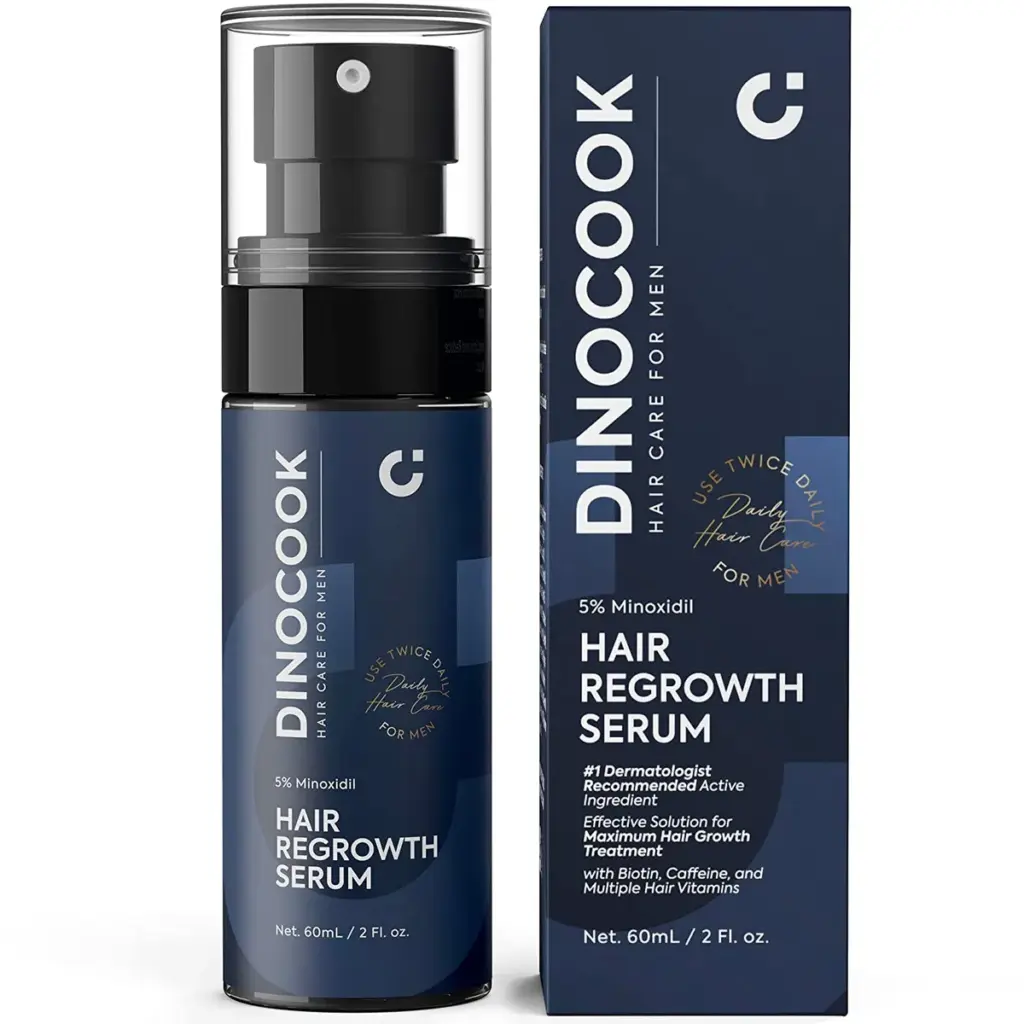
“A good hair-growth serum should reduce hair shedding, increase hair diameter, increase the growth phase of hair, decrease scalp inflammation, and be gentle on the scalp,” said Dr. Amin, a leading expert in trichology. This statement encapsulates the goal of many consumers searching for effective solutions to hair loss.
Hair growth serums have historically been rich in empty promises. Yet recent advancements in formulation have led to products that deliver tangible results. Many users now report visible improvements after about three months of consistent use. This timeline aligns with the expectations set by dermatologists and product developers alike.
Common ingredients in these serums include rosemary oil, amla oil, caffeine, green tea, and coconut oil. Dr. Ibrahim noted, “Rosemary oil has been shown to help with hair growth, with results similar to that of 2% minoxidil.” This comparison highlights the potential efficacy of natural ingredients in competing with traditional treatments.
The Champo Pitta Growth Serum has gained attention for its focus on targeting DHT—an androgen linked to hair loss—during the catagen phase of the hair growth cycle. According to Kuldeep Knox, a representative for Champo, “90% of users experienced a noticeable decrease in hair loss.” Additionally, 88% reported that their hair looked visibly thicker and fuller after using this serum.
Results from trials further support the effectiveness of plant-based formulations. One trial demonstrated that a plant-based serum could regrow hair and improve thickness in just 56 days. Participants saw a 25 percent increase in hair thickness compared to those using a placebo.
The growing interest in these products reflects a shift towards more natural solutions for hair restoration. Users are increasingly wary of chemical-laden treatments and are turning to serums that utilize botanical extracts instead. But as more people embrace this trend, it is essential to remain informed about what truly works.
As the market evolves, consumers can expect continued innovation in formulations aimed at improving results. The combination of traditional knowledge and modern science may lead to even more effective solutions for those facing hair loss challenges.
About The Author