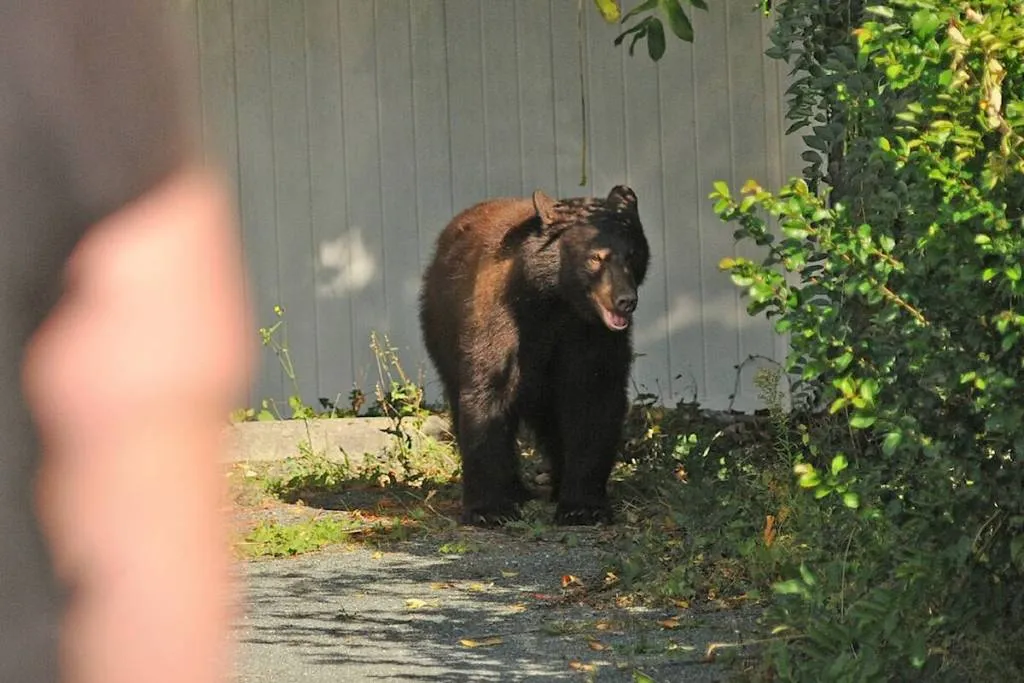
Prince George residents are asked to collect bear feces for a wildlife research project. This initiative is now in its second year and aims to understand bear behavior in urban areas. The project allows researchers to compare samples from wild bears and captive bears. Residents can participate by photographing bear droppings and texting the image to researchers.
In the first year, residents submitted more than 130 samples. But recent events in Chilliwack brought attention to another issue: animal welfare. Four dogs and a cat were rescued from a feces-filled RV.
The rescued animals were found living in filthy conditions with urine-soaked garbage and feces. The floor of the RV was covered in feces, and the conditions were described as inhumane. Animal protection officers reported hearing the animals whining when they knocked on the door.
All five animals required deworming and antibiotics for various skin conditions. They were taken to a BC SPCA animal centre for recovery. The SPCA reported that the rescued animals showed improvement after receiving care.
Matt Affleck, an animal protection officer, stated, “The conditions for both animals and people were beyond troubling.” He emphasized the need for better oversight of such situations.
Meanwhile, Vanessa Fetterly, involved with the bear project, encouraged residents: “Pick it up just like you would dog poop.” Her remarks highlight the importance of community participation in wildlife research.
The bear feces collection will continue until late October when bears begin hibernation. This ongoing effort aims to provide insights into urban wildlife interactions.
About The Author