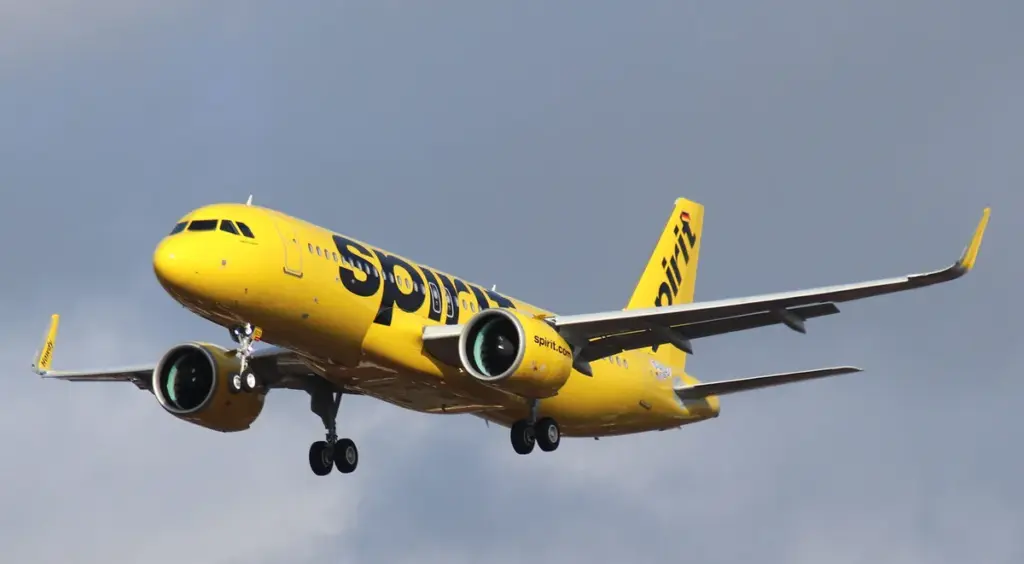
Spirit Airlines has ceased operations after failing to secure creditor support for a U.S. government bailout plan. This marks the first major airline casualty linked to the ongoing Iran war, underscoring the severe impact of rising fuel prices on the aviation sector.
Jet fuel prices climbed to about $4.51 per gallon by the end of April 2026. Spirit accounted for five percent of U.S. flights at one point and had 4,119 domestic flights scheduled between May 1 and May 15, offering 809,638 seats. The airline flew approximately 1.7 million domestic passengers in February, holding a 3.9 percent market share.
Spirit’s final flight was Flight 1833 from Detroit to Dallas, landing just after midnight on Saturday. Prior to its shutdown, the airline had scheduled 277 flights for that day alone. Transportation Secretary Sean Duffy noted that the government is taking action to provide relief for those affected by the closure.
Key impacts of Spirit’s shutdown:
- Approximately 2,000 pilots and staff are affected by the closure.
- Major U.S. carriers will cap ticket prices for Spirit customers needing to rebook cancelled flights.
- Rivals like JetBlue Airways and Frontier Airlines are likely to benefit from Spirit’s exit.
Spirit Airlines filed for bankruptcy for the second time in August 2025. The company’s financial struggles intensified due to rising oil prices and other pressures on its business model. In a statement, Spirit Airlines expressed regret over its inability to overcome these financial challenges.
The Association of Flight Attendants stated, “This has been the honor of our life to fly with all of you… Spirit is in our blood and that makes us family.” Jason Ambrosi remarked on the personal toll this decision will take on employees and their communities.
About The Author