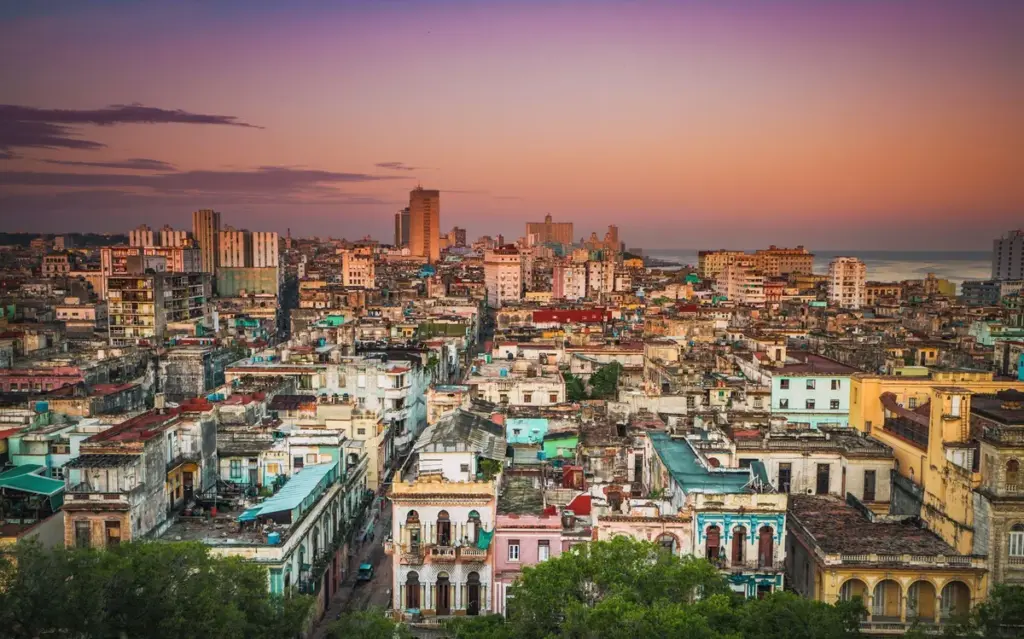
Cuban electrical and petroleum workers marched in Havana to celebrate International Workers’ Day on May 1, 2026. This event underscored Cuba’s resilience amid severe economic challenges and US sanctions. The Cuban government pledged to stand firm against growing US pressure, highlighting the complex interplay of national sovereignty and historical memory.
The Trump administration announced further sanctions targeting those involved in the security services and supporters of the Cuban government. A US energy blockade has contributed to widespread energy blackouts in Cuba, worsening the situation for its citizens.
The ongoing crisis has led to rising infant mortality and falling life expectancy. Cuba is facing a ‘polycrisis’ with overlapping emergencies, including economic decline and severe demographic loss. Despite these challenges, Cuba has not fully embraced the economic models of China or Vietnam due to concerns over inequality.
Milagros Morales, a participant in the May Day march, stated, “Today Cuba demonstrated once again that this people does not give up, and that we will defend our homeland tooth and nail, even though we want peace.” This sentiment reflects a broader national determination to resist external pressures.
Yet, the current situation remains dire. Daniel J. Fernández-Guevara emphasized that “national sovereignty is a very important thing in Cuba.” The country strives for economic development without creating vast inequalities—”Cuba wants to have a country that makes millions and millions of dollars but without any millionaires,” he remarked.
As Cuba navigates these turbulent waters, officials have not confirmed how long the current crisis will last or what specific measures may be implemented next. The legacy of the 1959 revolution continues to shape Cuban identity as it confronts modern challenges.
About The Author