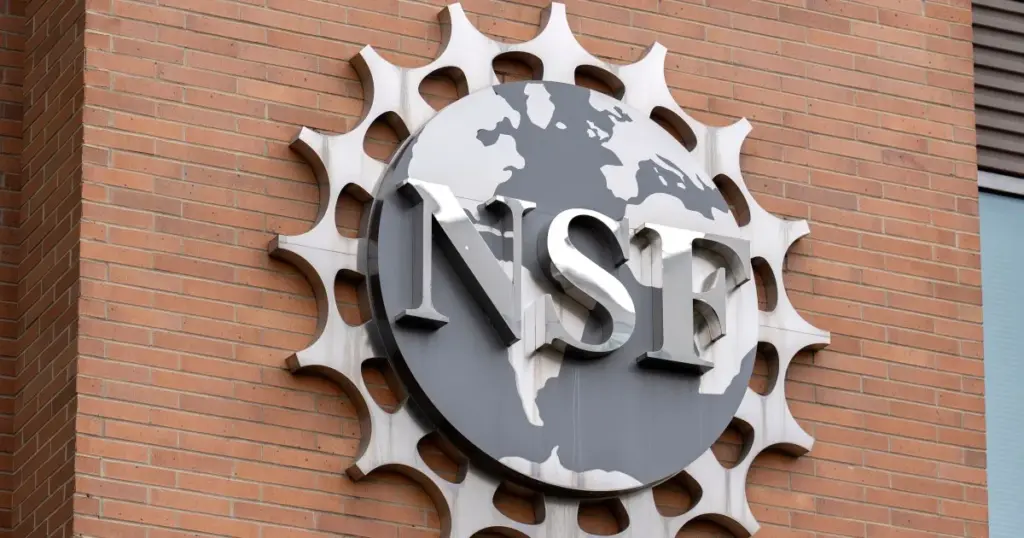
The Trump administration’s dismissal of the entire National Science Board on April 28, 2026, raises concerns about the future independence of federal science funding and oversight. All 22 members were fired, a move described as unprecedented.
The National Science Board serves as the policy and advisory arm of the National Science Foundation (NSF), which was established in 1950. The board oversees NSF operations, including identifying critical issues and approving programs and awards. The NSF’s budget exceeded $9 billion in 2026, funding more than 11,000 grants annually through a rigorous merit review process.
The White House cited a 2021 Supreme Court ruling as justification for these dismissals. Members are typically appointed by the president for staggered six-year terms. However, this mass termination deviates from standard practices regarding scientific advisory bodies.
Critics quickly condemned the decision. Yolanda Gil, a board member, called it unprecedented. Zoe Lofgren, a Democratic lawmaker, stated, “This is the latest stupid move made by a president who continues to harm science and American innovation.” Willie May expressed alarm over what he sees as a systematic dismantling of scientific advisory infrastructure.
Roger Beachy described the termination email as brief and lacking substance, simply thanking members for their service. Keivan Stassun noted that removing governance layers could facilitate unchecked executive power.
As developments unfold, questions remain regarding who will replace these board members and how this will affect NSF operations moving forward. The future independence of federal science funding is now uncertain.
About The Author