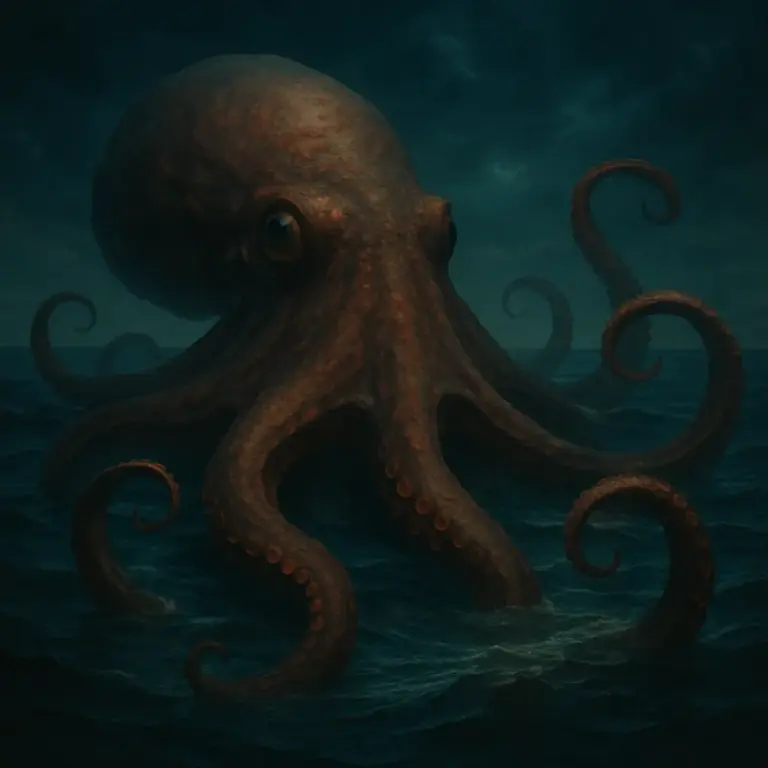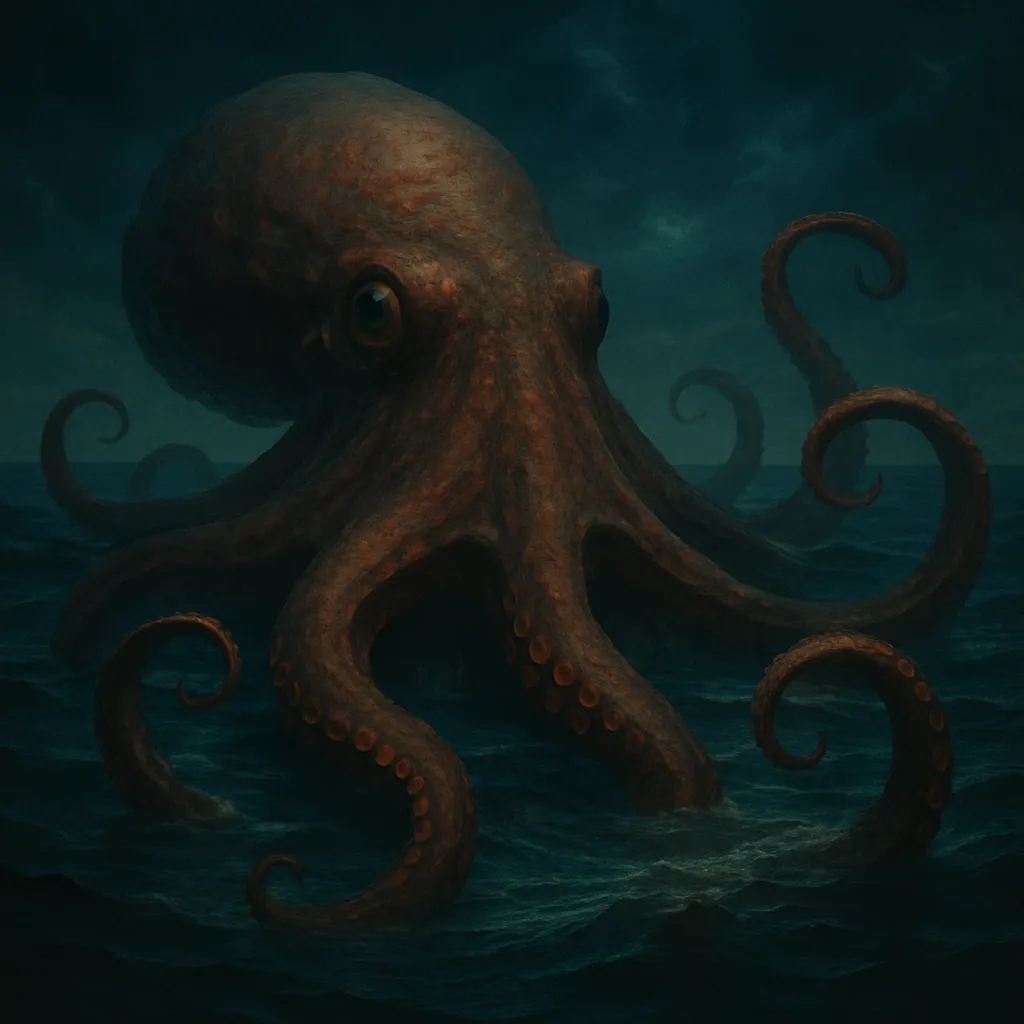
“Our study shows that giant invertebrates — octopuses — were also part of the top predator community,” said Yasuhiro Iba, a researcher involved in the study. This research reveals that giant octopuses, some reaching lengths of 19 metres, occupied a significant role in the Cretaceous marine food web. They lived between 100 million and 72 million years ago, during a period dominated by predatory marine reptiles like mosasaurs and plesiosaurs.
The fossils studied included beaks or jaws found in rock formations on Vancouver Island, B.C., and Hokkaido, Japan. The findings indicate that these ancient octopuses were not only large but also powerful predators. Distinct wear patterns on the fossilized beaks suggest they routinely crushed hard bones and shells. Iba noted, “They were giant predators at the very top of the Cretaceous marine food web.”
Dr. Thomas Clements commented on the significance of the findings: “To see a beak this size is quite amazing, to be honest. It was a massive animal.” The study focused on Nanaimotethis haggarti, which may have been among the largest invertebrates in Earth’s history. Its beak was larger than that of the modern giant squid, measuring over 12 metres.
The research relied heavily on detailed analysis of fossilized beaks—the only rigid part of an octopus’s body. This allowed scientists to infer behaviors and dietary habits. The octopuses used their long arms to capture prey and their powerful jaws to crush hard structures. Iba added, “This indicates that these animals were not only powerful but also behaviourally sophisticated predators.”
Understanding how octopuses evolved remains largely a mystery due to the scarcity of their fossils. Yet this study sheds light on their role within ancient ecosystems and how they interacted with other marine life. The implications extend beyond mere size; these creatures influenced their environment significantly.
The findings are published in the journal Science, contributing valuable insights into the Cretaceous period’s complex marine food web. As researchers continue to explore these ancient ecosystems, new discoveries may further illuminate the evolution and behavior of cephalopods like octopuses.
About The Author