Cinco de Mayo, often mistaken for Mexican Independence Day, is a celebration rooted in a significant military victory rather than a national liberation. This holiday commemorates the Mexican army’s victory over French forces at the Battle of Puebla in 1862.
The Battle of Puebla occurred on May 5, 1862. It marked a pivotal moment when the Mexican army successfully defended against an invading French force. This event is distinct from Día de la Independencia, which Mexico celebrates on September 16.
Key facts about Cinco de Mayo:
- Cinco de Mayo first gained recognition in the U.S. in 1862, particularly in California.
- The holiday became popular during the 1970s and 1980s due to marketing by beer companies.
- Mole poblano is the traditional dish enjoyed during this celebration in Puebla.
- Interestingly, Cinco de Mayo is celebrated more widely in the U.S. than in Mexico.
- The holiday originated as a form of resistance to the impacts of the Mexican-American War.
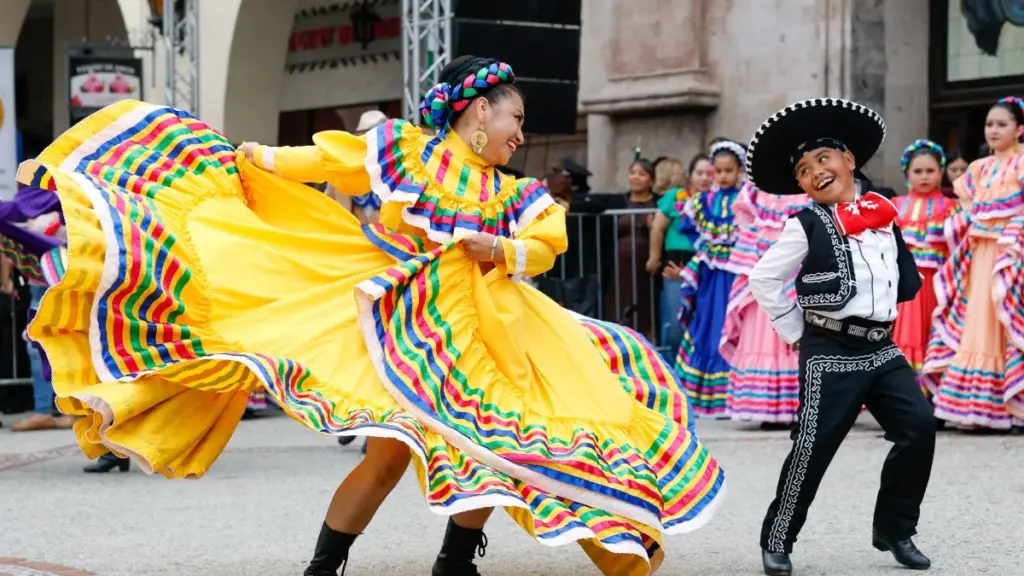
For many Mexican-Americans, Cinco de Mayo symbolizes cultural pride and resilience. David Hayes-Bautista noted that for Mexicans in the U.S., both the Civil War and the French invasion were viewed as one war with two fronts. Celebrations often include festive dances and margaritas, highlighting vibrant aspects of Mexican culture.
Yet, many still confuse this holiday with Mexico’s independence from Spain. As a result, educational efforts continue to clarify its true significance. Understanding these roots can enhance appreciation for this unique day.
About The Author