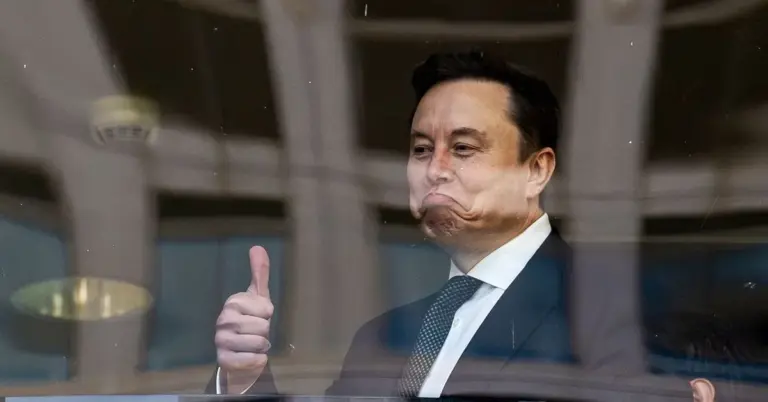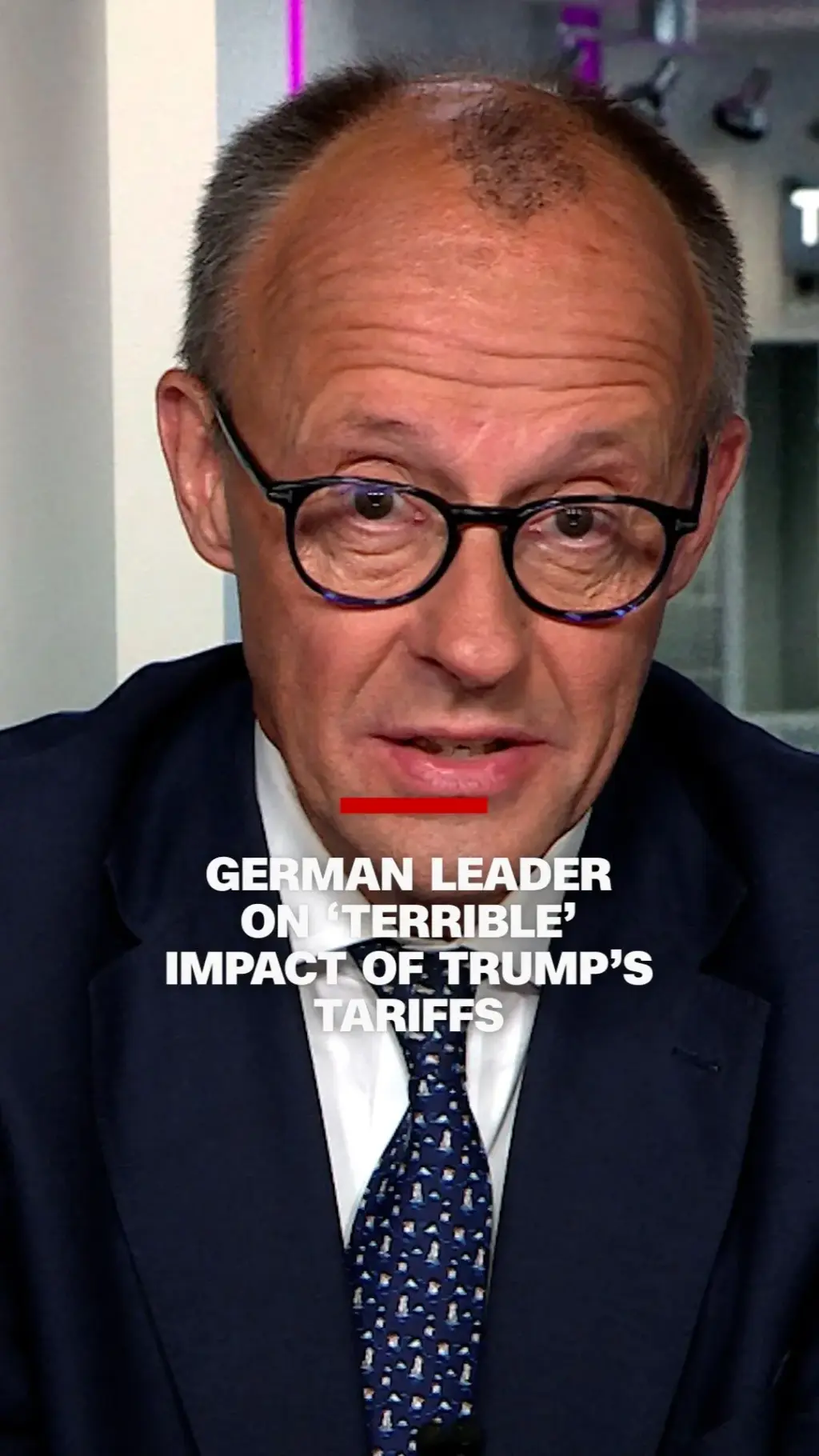
“The Chancellor of Germany should spend more time on ending the war with Russia/Ukraine (Where he has been totally ineffective!)” said Donald Trump during a recent statement. Trump’s remarks reflect rising tensions between the US and Germany over foreign policy issues, particularly regarding Iran.
Trump criticized Friedrich Merz for not effectively addressing the Russia-Ukraine conflict. He suggested that Merz should prioritize resolving Germany’s immigration and energy challenges instead. This criticism came after Merz described the US as being “humiliated” by Iran.
The ongoing debate about US military presence in Germany adds another layer to these tensions. Currently, between 36,000 and 39,000 US personnel are stationed in Germany. Trump indicated a possible reduction of this force, which German officials have acknowledged they are prepared for.
During a military visit, Merz emphasized the importance of NATO and maintaining strong ties with the US. His comments aimed to reassure both domestic and international audiences about Germany’s commitment to NATO cooperation amidst these shifting dynamics.
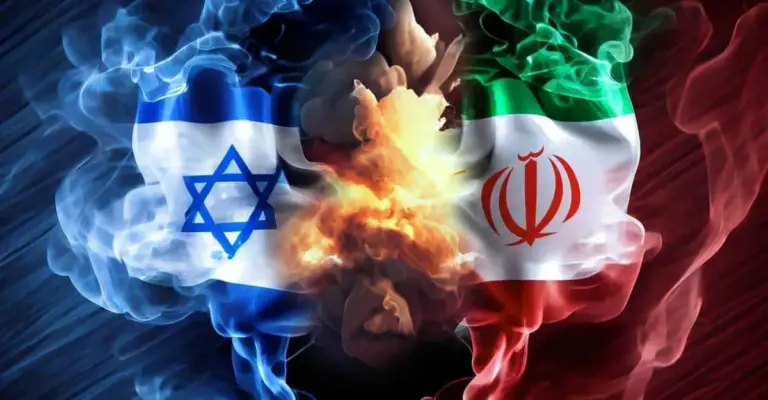
Trump’s comments were a direct response to Merz’s critique of US strategy in the Iran conflict. The exchange underscores a growing rift in transatlantic partnership as both leaders navigate complex geopolitical landscapes.
The next expected development may revolve around discussions about NATO’s future role in addressing emerging threats in Europe and beyond.
About The Author