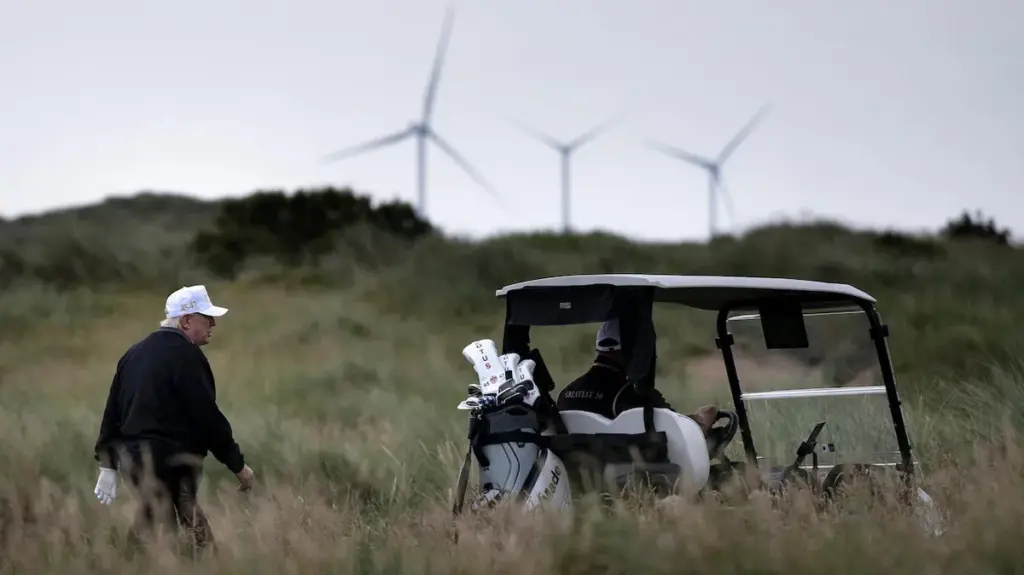
The current energy crisis may paradoxically accelerate the transition to renewable energy, despite ongoing reliance on fossil fuels. Fatih Birol, director of the International Energy Agency, stated that the war in Ukraine could lead to a loss of trust in fossil fuels.
Key facts:
- France aims to reduce its fossil fuel share from 60% to 30% by 2035.
- The United Kingdom targets 90% renewable energy by 2030.
- Canada approved the Westcoast pipeline while discussing a phase-out of hydrocarbons.
- China’s green technology exports surged by 70% in March 2026 compared to March 2025.
For the first time in 2025, global electricity production from renewable sources surpassed that from coal. The share of renewables reached 34%, while coal accounted for 33% of global electricity production. This shift underscores a growing trend toward an electrified economy.
The European Union has allocated an additional €24 billion for fossil fuel imports since the crisis began. Alain Lemieux described this decision as part of a planned effort aimed at ensuring a structured transition toward new energy directions.
Birol emphasized the urgency of change, stating, “The harm is done.” He added that dependence on oil and gas continues to finance conflicts elsewhere. A genuine transition involves not just changing energy sources but transforming power dynamics.
As nations navigate these challenges, uncertainties remain regarding future commitments and timelines. The next steps will likely involve further discussions on decarbonization strategies and energy sovereignty as countries adapt to evolving global conditions.
About The Author