Hydration breaks and advertising during World Cup matches draw criticism
 4 minutes read
👁 114 views
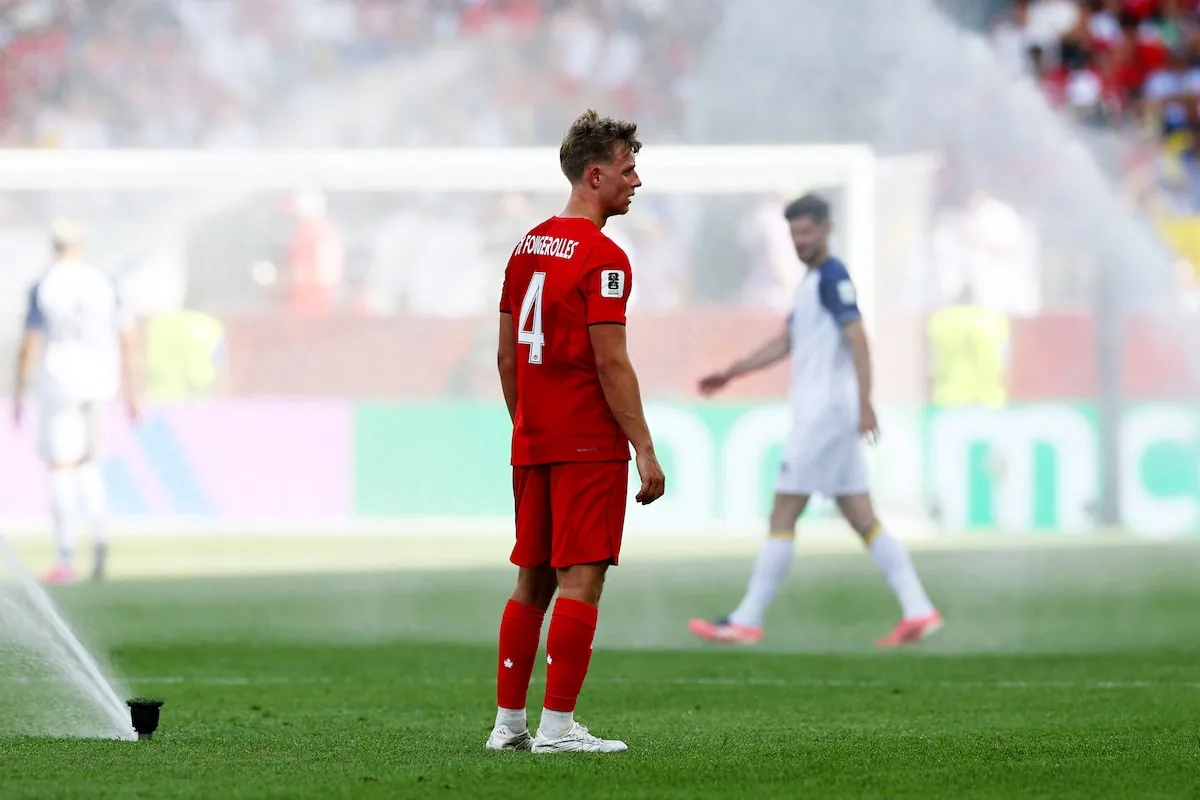
Virgil van Dijk criticises World Cup hydration breaks
FIFA’s advertising rules during hydration breaks
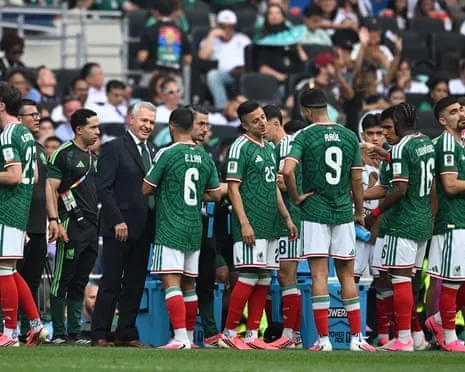
FIFA will not penalize Fox for violating the governing body’s advertising regulations during the opening match of the World Cup between Mexico and South Africa. The US broadcaster reportedly broke FIFA’s strict guidelines by returning to live action 10 seconds after play resumed during the second half at Mexico City Stadium. FIFA’s tournament rules, distributed to all rights holders two months ago, permit broadcasters to show advertisements during hydration breaks but require them to return to the match 30 seconds before play restarts.
Fox’s commercials reportedly ran over by 40 seconds. The broadcaster explained to FIFA that it was unaware referee Wilton Sampaio signalled an early hydration break after Raúl Jiménez scored Mexico’s second goal, causing a delay in cutting to commercials. FIFA has reportedly accepted this explanation and will not take action. Fox holds the English-language rights for World Cup games in the US.
Some viewers expressed concerns about Fox’s error, though no similar incidents have occurred since. Telemundo, the Spanish-language broadcaster for the World Cup in the US, has chosen not to use full-screen advertising during hydration breaks. These breaks last for three minutes and occur once per half, regardless of temperature.
Debate over hydration breaks and competition format
The introduction of hydration breaks in soccer has generated discussion. Some argue that these breaks disadvantage teams in better physical condition, suggesting that players could instead access water bottles at the touchline. While acknowledging the need for hydration, some critics oppose the concept of a full breather for a team that might be losing, unless conditions are exceptionally hot, based on a universally applied wet bulb temperature threshold.

The integration of advertising into these hydration breaks has also become a point of contention. The concern is that FIFA is utilizing these pauses, which were originally intended for player welfare, as opportunities for commercial gain. This development has led to questions about the commercialization of the sport and its impact on the flow of the game.
The current World Cup format, featuring an expanded 48-team field, has also been noted for potentially diluting the overall competition level. Some observers suggest that the initial stages of the tournament have been less exciting due to this expansion, with the more competitive matches expected later in the event, around the beginning of July.
The presence of foreign coaches leading national teams, such as Jesse Marsch coaching Canada, an Argentine leading the United States squad, and an Italian as Brazil’s first foreign head coach, highlights the global nature of soccer. This trend is seen as a reflection of the sport’s cosmopolitan character, which is open to diverse ideas and international talent.
The discussion around the World Cup has also touched upon the length of sporting events. Some express concern that commercial breaks, including those during hydration pauses, prolong games unnecessarily, which can impact timely newspaper production and audience attention spans.
The World Cup continues to draw significant attention, with an ongoing appetite for the event despite criticisms regarding its structure and commercial aspects.
Read Also
- Vancouver's BC Place natural grass pitch receives positive reviews from World Cup players
- Barcelona-Catalunya GP sees Hamilton's maiden Ferrari win and Antonelli's retirement
- New York Knicks celebrate NBA championship with city-wide festivities
- British Columbia communities experience record-high temperatures on Sunday
Source: theguardian.com
About the Author