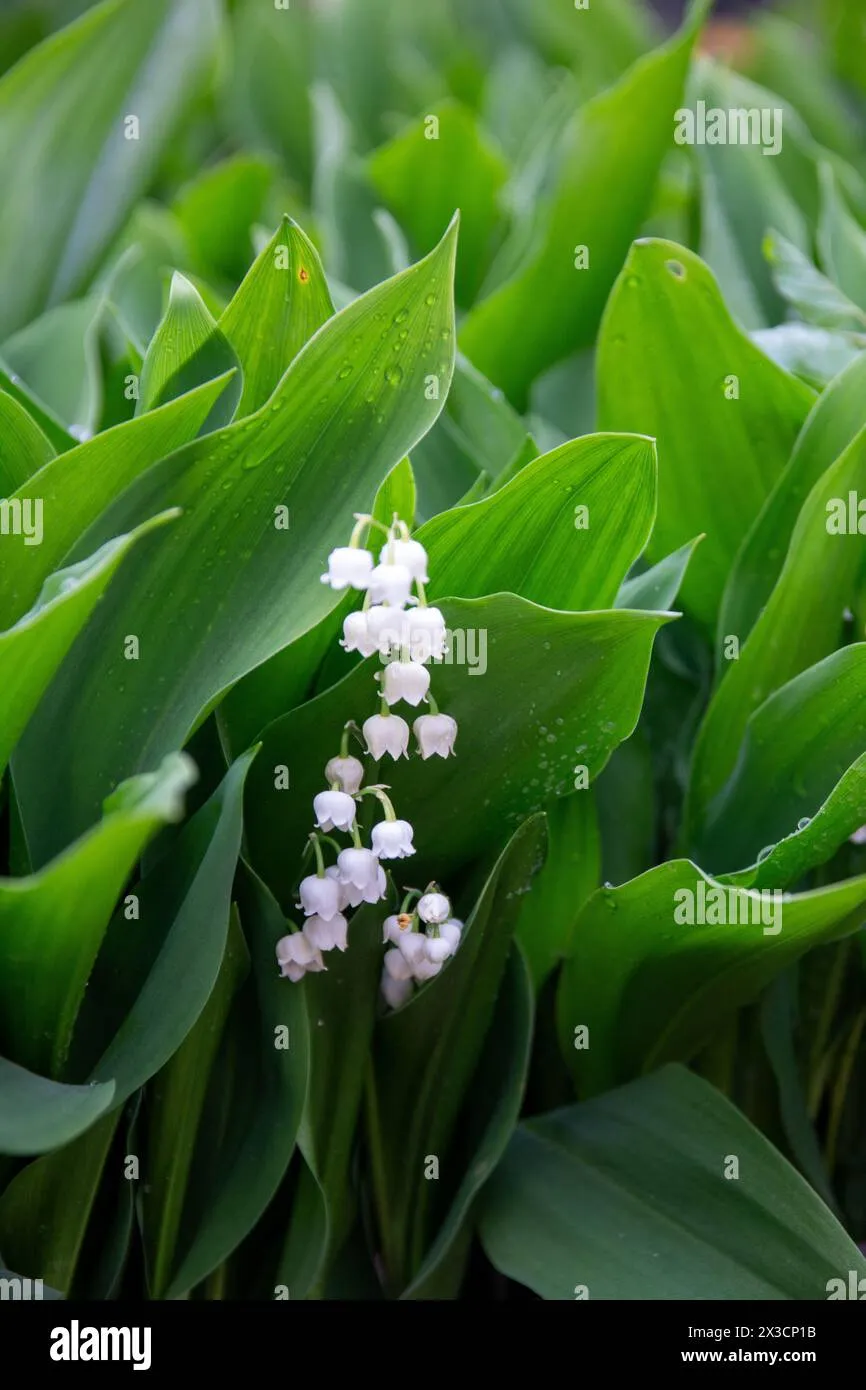
“Ça reste la première fête calendaire après la Saint-Valentin,” said Farell Legendre, emphasizing the significance of muguet in French culture. French households continue to spend significantly on muguet despite its toxic properties and strict sales regulations. In 2024, they spent €19.4 million on this traditional flower.
Key facts about muguet:
- The tradition of offering muguet dates back to the 16th century.
- Charles IX received a sprig of muguet in 1561 during a trip in the Drôme.
- Muguet became tied to May 1 later in the 20th century.
- Sales of muguet are exceptionally authorized on May 1 but regulated by municipal decrees.
- Only cut sprigs of muguet may be sold on May 1 without direct competition with florists.
- Picking muguet in the forest is regulated because the plants belong to the landowner.
- All parts of muguet are toxic and can cause nausea, abdominal pain, or heart disorders.
The flower’s connection to May Day aligns with Labor Day celebrations across France. This year, sales reflect a deep-rooted cultural practice that persists despite health warnings regarding toxic plants. The Fédération française des artisans fleuriste oversees these regulations, ensuring safety while allowing this cherished custom to thrive.
Legendre’s comments highlight the ongoing popularity of muguet as a symbol of spring and renewal. The tradition continues to flourish, even as awareness grows about the risks associated with its toxicity. As French families prepare for May Day, the allure of muguet remains strong.
About The Author