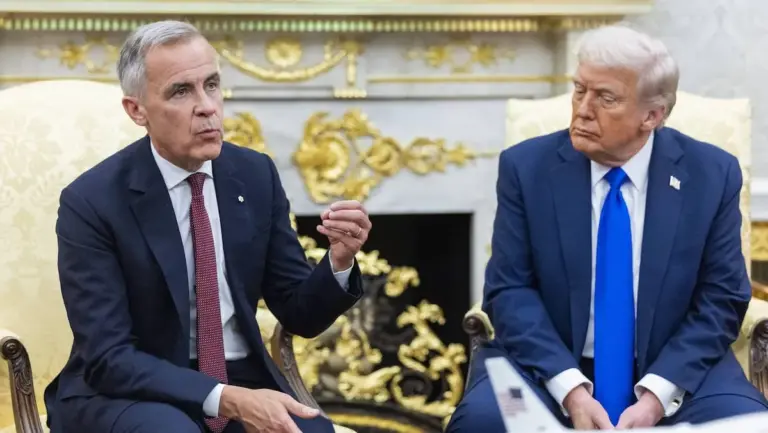
“We’re offering a very fair and reasonable DEAL, and I hope they take it because, if they don’t, the United States is going to knock out every single Power Plant, and every single Bridge, in Iran. NO MORE MR. NICE GUY,” said President Donald Trump during a recent address. His remarks have stirred significant debate regarding U.S. military strategy toward Iran.
Michael Waltz, the U.S. Ambassador to the United Nations, defended Trump’s stance. He called the threats against Iranian civilian infrastructure “perfectly acceptable.” Waltz stated that all options are on the table regarding Iran’s nuclear ambitions and military activities.
Waltz elaborated on his position by referencing historical precedents. “That would be an escalatory ladder. And if you go back in the history of warfare, go all the way back to World War II, of course, we bombed and took down bridges, other infrastructure, power plants that could be used for civilian purposes but also serve military functions,” he noted.
The context for these statements includes recent developments in Lebanon. A ceasefire was implemented on April 14, 2026, following negotiations involving the U.S., Israel, and Lebanon. This ceasefire came under pressure from Iran to reach an agreement amid rising tensions in the region.
Waltz highlighted that Iranian air defenses have been decimated and claimed that the Iranian regime hides military infrastructure among civilian assets. “The Iranian regime in particular, and its terrorist proxies have a long history of actually deliberately hiding military infrastructure in hospitals, schools, neighborhoods and other civilian assets,” he said.
He maintained that strikes on such infrastructure would not violate international law. “We could take that infrastructure out relatively easily,” he asserted confidently.
Still, critics argue these strategies could escalate conflicts further in an already volatile region. Israeli Defense Minister Israel Katz has also issued threats against Lebanon if Hezbollah is not disarmed.
As tensions continue to rise, details remain unconfirmed about how these threats will translate into action or whether diplomatic efforts will prevail in maintaining peace in Lebanon and beyond.
About The Author