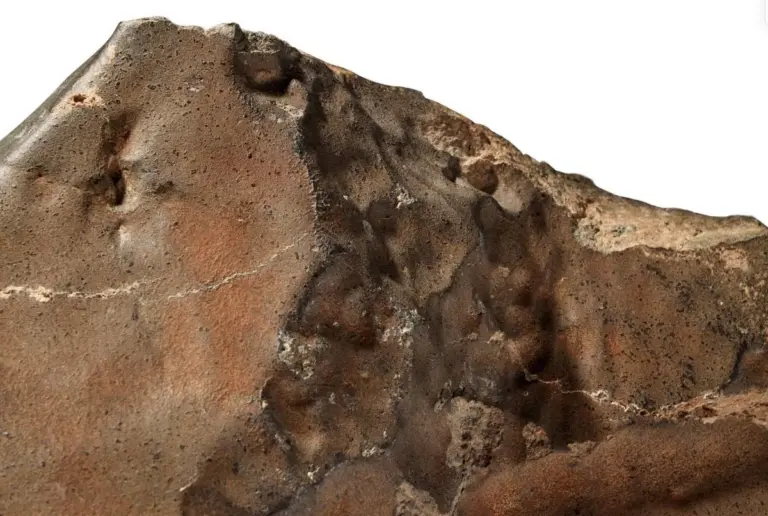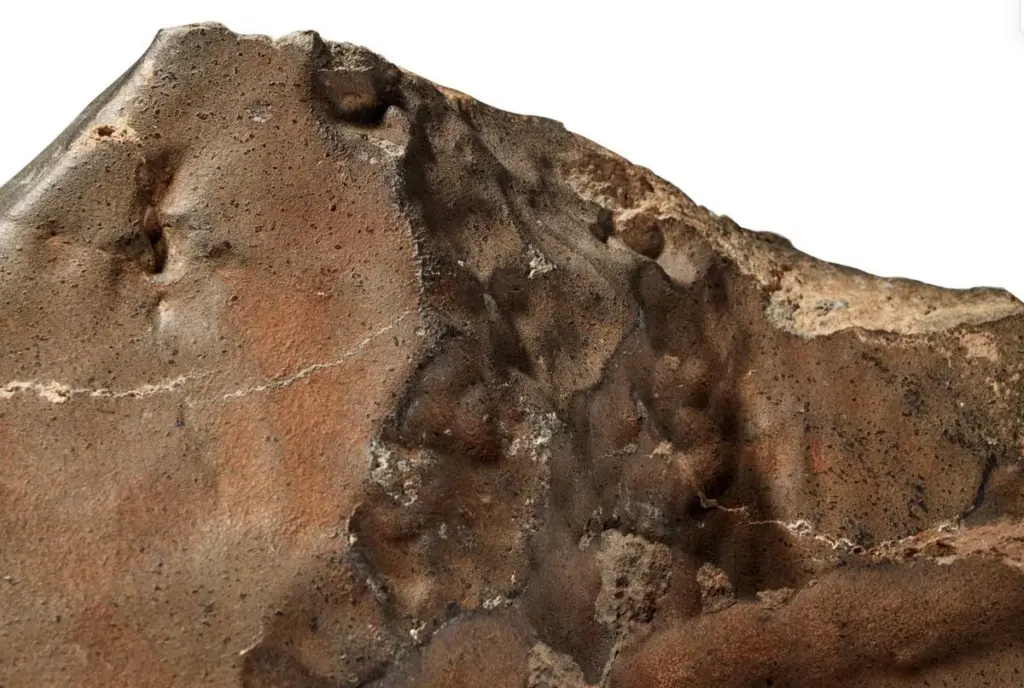
Recent research has unveiled a surprising finding in Martian meteorite samples. Traces of ink from a ballpoint pen were discovered during analysis. This contamination raises questions about the integrity of the samples and the processes used to prepare them.
The study was conducted by a team from the University of the Basque Country in Spain. They identified seven different contaminants within the meteorites. Among these were a copper compound and a synthetic organic molecule commonly used in inks.
Raman spectroscopy played a crucial role in analyzing the chemical composition of these meteorites. The researchers found three distinct types of pen ink embedded in the Martian rock samples. This contamination originated from sample preparation processes, not from Mars itself.
But why does this matter? The presence of synthetic organic molecules complicates our understanding of these extraterrestrial materials. Leire Coloma, a member of the research team, noted that such contamination alters the outer layer of the meteorites. “This outer layer is therefore altered and means we cannot determine its original mineralogical composition with any certainty,” she stated.
The implications extend beyond just these findings. As NASA’s Perseverance rover continues to collect samples from Mars for future return to Earth, ensuring contamination-aware preparation protocols becomes increasingly vital. The research team emphasized this need, stating, “As planetary sample return missions continue to advance, the challenge of designing contamination-aware preparation protocols becomes increasingly important.”
The study proposed modifications to existing cleaning protocols to minimize contamination risks. Coloma suggested that changing washing agents—replacing ethanol with isopropyl alcohol—could improve sample integrity significantly.
This study was published in Applied Geochemistry. It highlights an essential aspect of planetary sciences: understanding geochemical compositions can provide insights into their celestial bodies of origin. Details remain unconfirmed regarding how widespread this issue may be across other samples.
About The Author