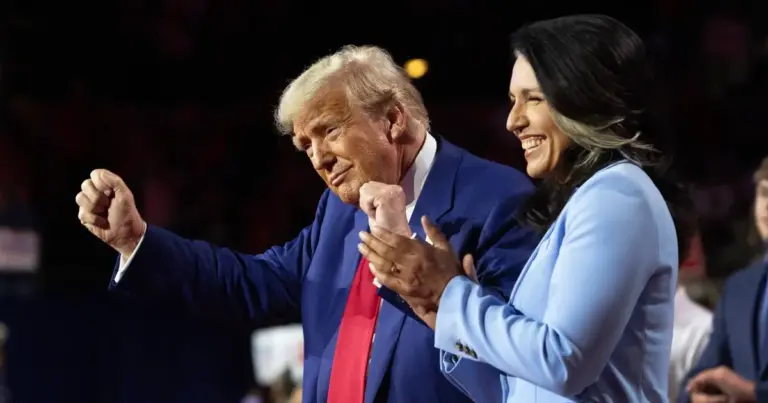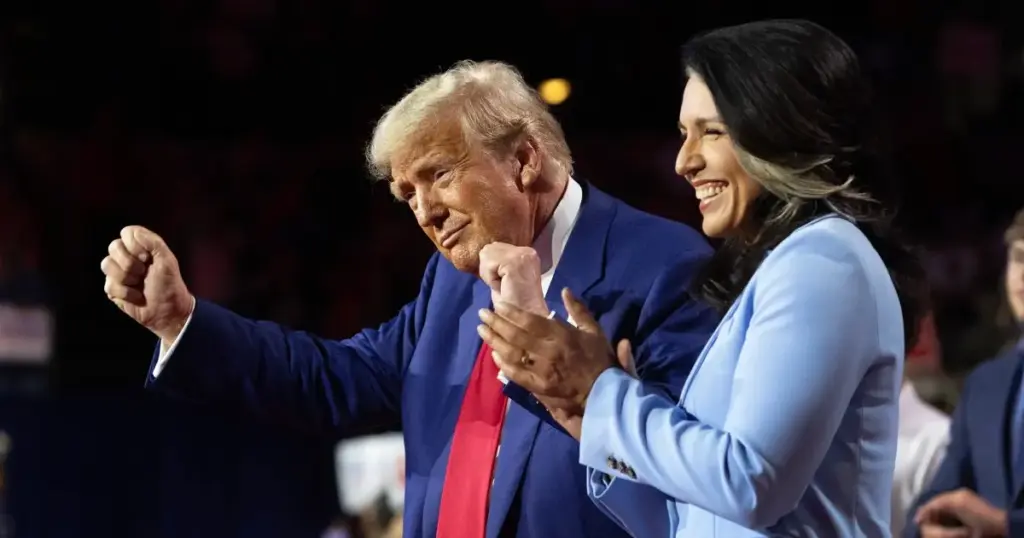
Tulsi Gabbard sent criminal referrals to the Justice Department on April 16, 2026. The referrals are related to a former intelligence community inspector general and a whistleblower whose complaint triggered President Donald Trump’s first impeachment in 2019.
The whistleblower reported an ‘urgent concern’ regarding Trump’s request for Ukraine to investigate Joe Biden. This led to Trump’s impeachment by the House of Representatives in late 2019. He was acquitted in early 2020 after a Senate vote that fell mostly along party lines.
Gabbard criticized former Inspector General Michael Atkinson’s handling of the whistleblower complaint. She alleged that ‘deep state actors’ in the intelligence community conspired to impeach Trump. Atkinson was fired by Trump in 2020.
Gabbard’s office confirmed she drafted the criminal referrals but did not specify the alleged crimes. The referral was first reported by Fox News.
Rep. Jim Himes criticized Gabbard’s referral, stating it would chill future whistleblowers from coming forward with confidence that the law would protect them. He said, “This apparent criminal referral will amount to nothing because no misconduct occurred…”
Gabbard responded with claims of a ‘treasonous conspiracy’ by officials during Biden’s administration regarding Russian interference in U.S. elections.
The current criminal referrals mark Gabbard’s latest attempt to revisit political battles from Trump’s first term. Yet, details remain unconfirmed about the specific allegations contained within her referrals.
Gabbard stated, “The information we are releasing today clearly shows there was a treasonous conspiracy in 2016 committed by officials at the highest level of our government.” This statement emphasizes her ongoing commitment to these issues.
As reactions unfold, this situation highlights ongoing tensions within U.S. politics regarding whistleblowers and accountability.
Both sides continue to grapple with the implications of such actions on future political discourse and trust in governmental processes.
About The Author