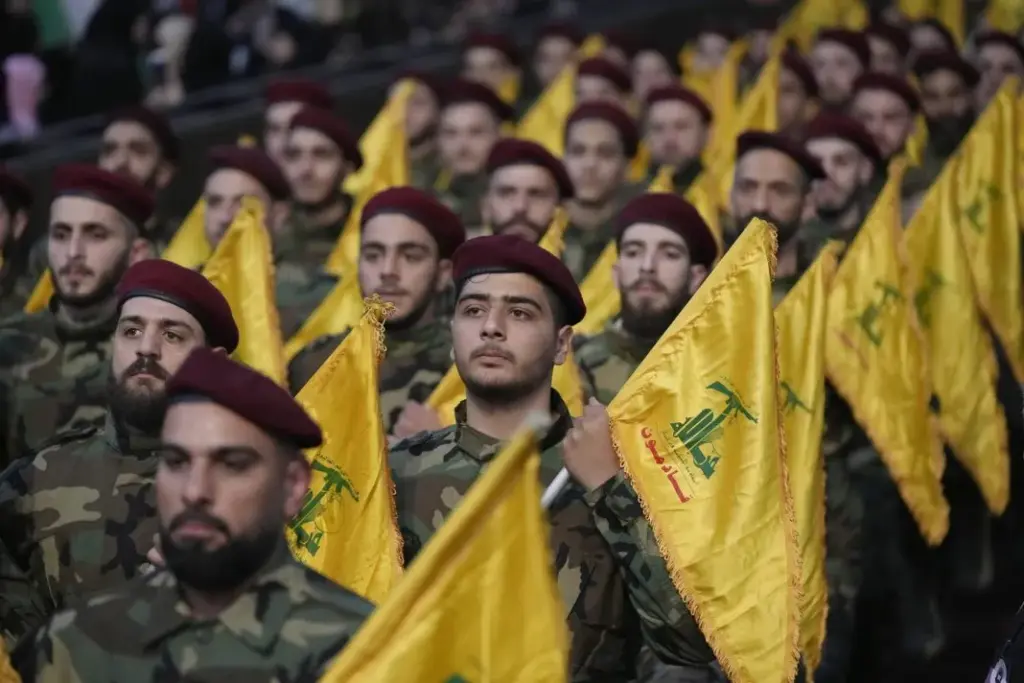
Hezbollah has increasingly utilized fiber-optic drones for precision attacks against Israeli forces, complicating Israel’s military response. This tactic represents a significant shift in asymmetric warfare strategies employed by the group.
Hezbollah’s drone operators have successfully targeted Israeli troops in southern Lebanon and northern Israel. The group has received extensive backing from Iran, which has provided financing and training over the years.
Hezbollah was formed during the 1982 Israeli invasion of Lebanon. The Taif Agreement exempted Hezbollah from disbanding, as it was considered a resistance force against Israeli occupation.
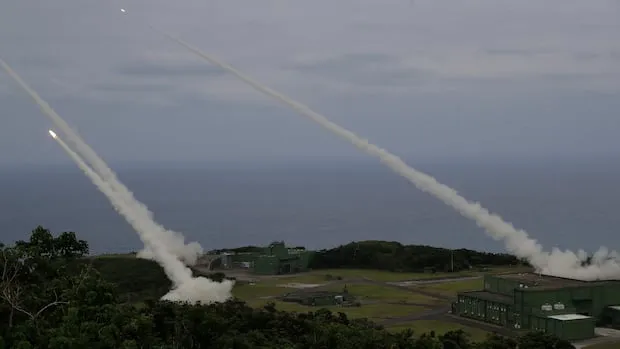
Before the recent Gaza war, Hezbollah’s estimated rocket arsenal was approximately 150,000. However, it is now believed to retain just 10% of that stockpile. This reduction raises questions about its current capabilities.
The group’s leadership remains defiant. Naim Qassem, Hezbollah’s Secretary General, stated, “We will not submit to Israel.” Meanwhile, Hassan Nasrallah emphasized Iran’s critical role in supporting Hezbollah’s operations.
Hezbollah’s use of drone technology is notable. Fiber-optic cables can stretch up to 9.3 miles, allowing for enhanced operational range and precision during attacks.
As the conflict evolves, the implications of Hezbollah’s advanced tactics remain uncertain. Officials have not confirmed how this will affect future Israeli airstrikes or military strategies.
The Lebanese Civil War and Hezbollah’s actions in Syria and Iraq have affected its credibility among Arab nations. Yet, the group’s resilience and evolving tactics continue to challenge regional stability.
The next moves by both Hezbollah and Israel could reshape the landscape of the Lebanon-Israel conflict significantly.
About The Author