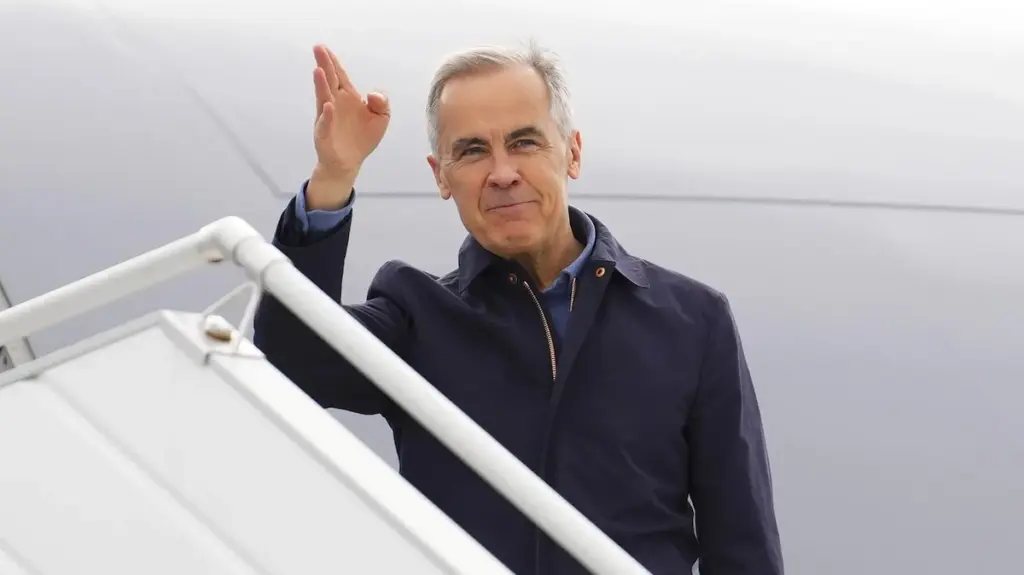
The idea of Canada potentially joining the EU is gaining traction among European officials amidst changing geopolitical dynamics. Mark Carney will be the first non-European leader to participate in the European Political Community summit in Armenia. This summit provides a platform for discussions about strengthening Canada-EU relations.
Several European officials have discussed Canada’s potential membership in the EU. Jonathan Wilkinson has been appointed as Canada’s ambassador to the EU, emphasizing the importance of this relationship. The EU is seen as a key partner for Canada, sharing commitments to democracy and the rule of law.
Recent surveys indicate that public sentiment in the UK regarding Brexit has shifted significantly. A recent survey showed that 55% of Britons believe leaving the EU was a mistake, while 63% support strengthening ties with the EU post-Brexit. These statistics highlight a growing desire for closer ties with Europe.
Mark Carney noted, “Canada is the most European of non-European countries.” This sentiment underscores Canada’s historical and cultural connections to Europe. The ongoing discussions reflect a broader trend towards reevaluating geopolitical partnerships following Brexit.
Key facts:
- Nine countries are recognized as candidates for EU membership: Albania, Bosnia-Herzegovina, Georgia, North Macedonia, Moldova, Montenegro, Serbia, Turkey, and Ukraine.
- The UK voted to leave the EU in a referendum on June 23, 2016; Brexit officially occurred on December 31, 2020.
- A survey indicated that 63% of Britons support strengthening ties with the EU post-Brexit.
Frédéric Mérand stated that this situation shows how much the discussion has changed and highlights the urgency of a rapprochement with the EU. He emphasized that this invitation could be just the beginning of a new chapter in Canada-EU relations.
About The Author