A household usually looks for food recalls when a familiar brand suddenly feels uncertain on the shelf or in the fridge. For Canada-specific checks, the official recalls portal and CFIA recall pages are the safest place to confirm recent alerts, affected products, and next steps before anything is returned, discarded, or served. A good page should help the reader verify the exact product, not just scan a headline and guess. That is why the topic works best when it stays practical and calm.
What shoppers should check first about this week’s product recalls in Canada
Most readers searching food recalls this week canada want a fast answer, but the safest approach is still a careful match. The official portal groups recent notices, while CFIA guidance stresses checking the exact item details before taking action. In practice, weekly recall checks are most useful when they are treated as product-matching tools rather than general news. That small shift saves time and avoids wrong assumptions.
Which product details matter before anything is discarded
A withdrawal notice becomes useful only when the reader compares the brand, package size, UPC, and lot code against the item in hand. CFIA consumer guidance also points people toward practical next steps once the match is confirmed. The real mistake is not checking too little information, but checking only the product name and stopping there. Good recall reading is precise, not dramatic.
- Match: Compare the product name, brand, and package size.
- Verify: Check the lot code, UPC, or date marking.
- Confirm: Review where the product was sold or distributed.
- Decide: Follow the notice direction to return, discard, or avoid serving.
- Recheck: Look again if the wording seems close but not exact.
That sequence keeps the process steady. It also lowers the chance of throwing away the wrong item or missing the real one.
Canada recalls by category and risk pattern
The most useful recall pages separate products by risk pattern rather than forcing everything into one flat list. Canada food recalls often involve undeclared allergens, bacterial contamination, or labelling errors, and CFIA explains these as common reasons a product is removed from the supply chain. Canadian food recalls make more sense when the reader knows which issue usually belongs to which type of food. That turns a broad alert page into something easier to scan.
| Product category | Common trigger | What to check first | Likely action |
| Dairy | Listeria or mislabelling | Brand and lot code | Do not consume |
| Meat | Bacterial contamination | Size and sale region | Return or discard |
| Produce | Pathogen concern | Package details | Avoid use |
| Prepared foods | Undeclared allergen | Ingredients and UPC | Check label carefully |
Why allergen notices need the fastest household response
Many food recalls Canada alerts become urgent because an undeclared allergen can affect one person in the home far more than another. That is why ingredient wording, cross-contact language, and exact package details deserve attention before anything is served. The risk is not always visible from the product itself. A calm label check can matter more than appearance.
Recall notices, product recall list checks, and home action
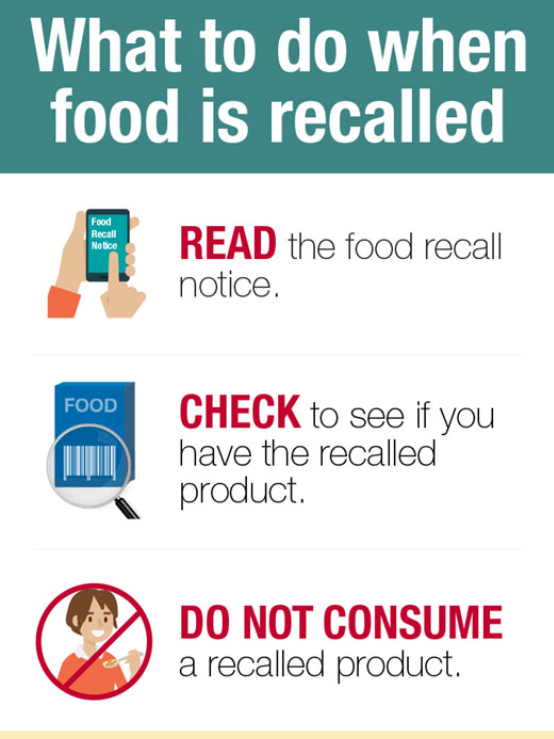
A useful product recall list should help the reader answer two questions quickly: is this the exact product, and what should happen next. CFIA explains that recall decisions follow a structured investigation process, and consumer guidance focuses on not consuming the product, plus returning or discarding it when there is a confirmed match. A Canada food recall page works best when it combines those two ideas. It should guide both verification and action.
What a food recall Canada notice should always help clarify
A clear food recall Canada notice should show the affected product, where it was sold, and why the warning exists. The reader should not have to guess whether the issue is allergen-related, contamination-related, or a label problem. That clarity matters because small wording differences change the action. A precise notice helps the household move without panic.
What to do at home after a recalled product is confirmed
Once a match is confirmed, the safest move is to stop using the item immediately and avoid serving it to anyone else. That is where recalls become practical rather than informational, because the reader now has a product in front of them and needs a simple response. A short checklist works better here than a long paragraph. It keeps attention on action, not on background detail.
- Stop: Remove the product from meal prep right away.
- Separate: Keep it away from similar items until the match is fully confirmed.
- Decide: Return or discard it according to the notice wording.
- Clean: Wipe surfaces or containers if cross-contact is possible.
- Report: Raise a concern if the product is still being sold despite the notice.
That list is most useful when the product has already been identified. It also helps the reader respond to product recalls this week without turning a small decision into a long delay.
Daily monitoring, pros and cons, and common recall questions
A weekly check is often enough for ordinary households, but some readers prefer a faster rhythm when they buy high-turnover fresh items. That is where food recalls this week become part of a simple routine instead of a one-time search. The official Canada recalls portal groups recent alerts from the past 7 days, while the food recalls and alerts page points readers to current recall notices and reporting tools. A useful monitoring habit is quiet, brief, and specific.
| Pros | Cons |
| A weekly recall habit helps the reader catch new notices before the affected product is cooked, served, or shared with others at home. | Recent alert pages can change quickly, so an example seen once may not stay identical if the notice expands or is updated later. |
| A focused check on labels, lot codes, and regions makes recalls easier to use than a broad headline-only scan. | Some notices are regional, which means a Canada-wide article can feel too broad unless local distribution details are read carefully. |
| A practical routine reduces guesswork because the shopper knows exactly what to compare before deciding to discard or return an item. |
Product recalls this week questions Canadian shoppers ask most often
How often shoppers should check recent recall pages?
A reader who buys fresh packaged food often may prefer short repeat checks instead of one long session. That habit works especially well when recalls are treated as a quick label-matching task rather than a news roundup. Frequency matters less than consistency. A short routine usually beats a rushed deep dive.
Are all recall notices national in scope ?
Not always, because distribution can be regional even when the brand is widely known. That is why store lists, province details, and package codes matter in product recalls this week. A national headline can still hide a narrow geographic range. The reader should verify the scope before reacting.
Is a product always dangerous if it looks normal ?
No, because many problems behind food recall warnings are not visible from smell, colour, or texture alone. Allergen mistakes and contamination concerns can sit behind a product that looks ordinary. Visual checks are not enough on their own. The notice details matter more than appearance.
What matters most on a recall page ?
The most useful part is usually the exact product match, not the broad reason for concern. That is why a shopper should scan brand, size, UPC, lot code, and region before doing anything else. Once the match is clear, the action usually becomes clear too. That makes the whole process smaller and easier to handle.
About The Author