“They’re doubling down on globalization when we’re trying to correct for the problems of globalization,” said U.S. Trade Representative Jamieson Greer during a recent hearing. His remarks highlight the growing tension between Canada and the United States as they navigate complex trade issues.
Greer indicated that the two countries remain at odds on several key trade policies. The deadline for renewing the Canada-U.S.-Mexico Agreement (CUSMA) is approaching, and both nations must agree on whether to renew, withdraw from, or continue renegotiating the pact by July 1.
In this context, Greer expressed frustration with Canada’s refusal to modify its supply management system for dairy products. He also criticized limits on U.S. fruit and vegetable imports, stating that such barriers hinder fair trade practices.
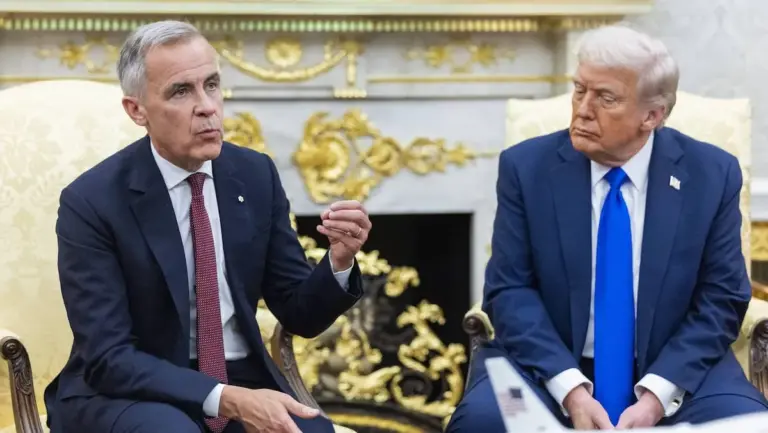
Meanwhile, Canada’s Prime Minister Mark Carney acknowledged the existence of trade irritants on both sides. “We understand what some of the – what the Americans would call trade irritants or trade issues – are. We have some on our side as well,” Carney said.
Greer noted that Mexico has agreed to improve rules of origin to prevent subsidized goods from third countries entering the North American market. This agreement places additional pressure on Canada to align its policies with those of its neighbors.
Yet, Greer warned that if Canada does not agree to new rules of origin affecting additional sectors, the U.S. may implement other border controls. He stated, “I think we’re kind of at the end of our rope in just asking for them to do this.” This statement underscores the urgency of reaching an agreement before the deadline.
Canada has made some commitments regarding steel but is actively seeking to diversify its trading relationships. Greer pointed out that these efforts must not come at the expense of addressing longstanding trade issues between the two countries.
The situation remains fluid as both sides prepare for potential enforcement actions regarding provincial bans on U.S. alcohol imports. Details remain unconfirmed about how these developments will unfold in light of ongoing negotiations.
About The Author