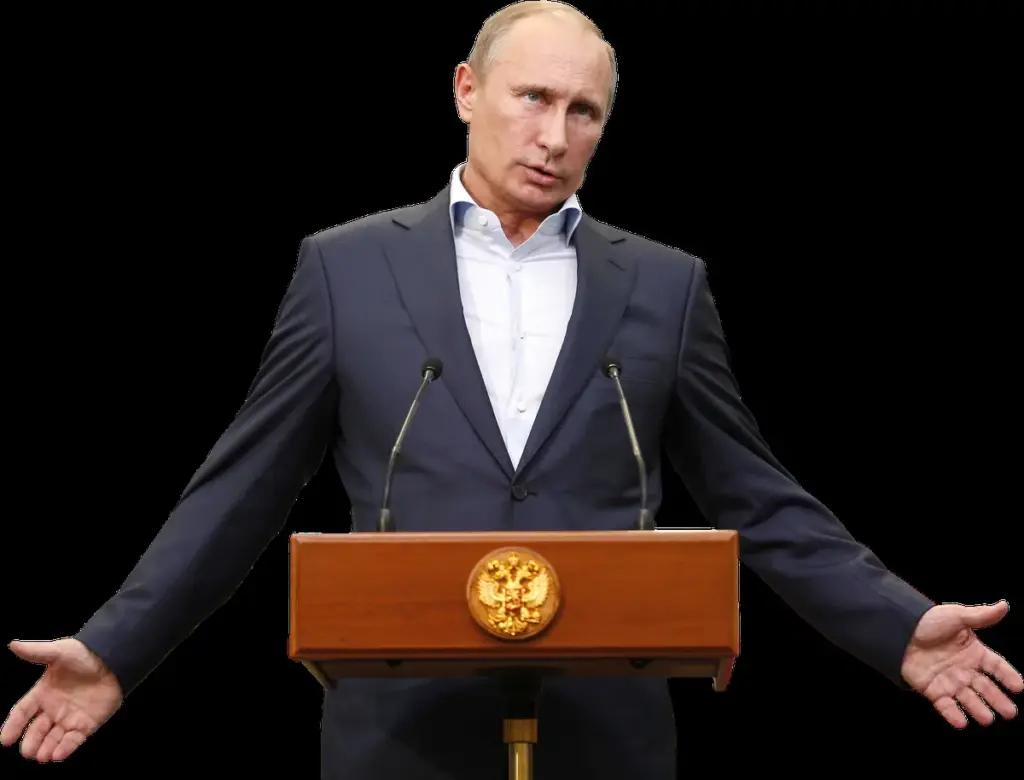
Vladimir Putin’s regime is intensifying its crackdown on dissent. Authorities have launched high-profile political arrests and raids across Russia. This surge in repression coincides with a growing public discontent that has emerged four years after the full-scale invasion of Ukraine.
Rolling digital blackouts in major Russian cities have led to public pushback against Putin. Citizens express frustration over the government’s handling of these outages. Putin acknowledged the blackouts but cautioned that public information could compromise operational security.
The government has also targeted LGBTQ activism. In 2023, Russia’s Supreme Court declared the international LGBTQ movement an extremist organization. The publisher Eksmo faced a raid for allegedly promoting ‘LGBTQ propaganda’.
Independent media outlets are not spared from this crackdown. Novaya Gazeta, known for its critical reporting, was raided by police amid a broader assault on free expression. Such actions revive symbols of political repression from the Soviet past, including the legacy of Feliks Dzherzinsky.
Putin’s government has long been hostile to what it deems dangerous Western ideas. The current wave of political repression reflects this ongoing hostility. Activists and journalists face increasing risks as authorities ramp up their efforts to silence dissent.
Public reactions vary. Some citizens support the government’s actions, believing they protect national security. Others fear for their freedoms and question the direction of the country.
Vladimir Putin remarked, “Widespread public information in advance can be detrimental to operational development.” His comments suggest a strategy focused on limiting transparency while maintaining control over public discourse.
The situation remains fluid as authorities continue their operations against perceived threats. The next steps in this campaign could further shape Russia’s political landscape.
About The Author