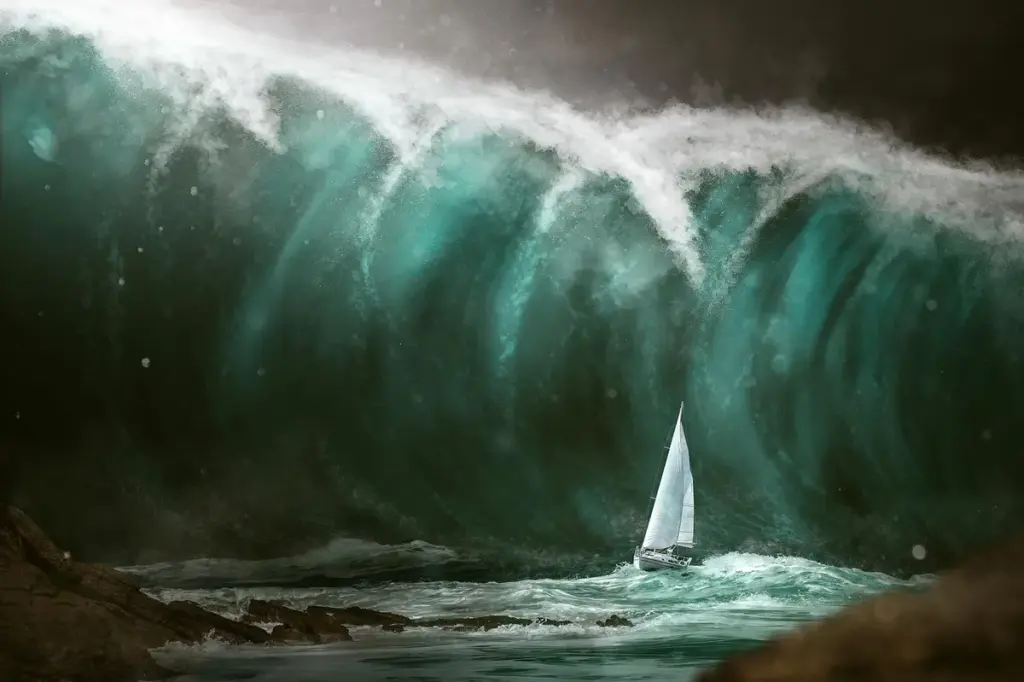
NASA’s SWOT satellite has captured the first high-resolution view of a tsunami generated by a magnitude 8.8 earthquake on July 29, 2025, in the Kuril-Kamchatka subduction zone. This groundbreaking observation reveals complex wave patterns that challenge long-standing scientific assumptions about how large tsunamis behave.
The tsunami displayed unexpectedly complex wave behavior, dispersing into multiple smaller components rather than acting as a non-dispersive wave. This finding contradicts previous expectations that large tsunamis would follow a simpler model. The rupture length of the earthquake was updated to nearly 400 kilometers, longer than the initial estimate of 300 kilometers.
Historically, the Kuril-Kamchatka region has produced some of the largest tsunamis on record. The 2011 Tohoku-oki earthquake, which measured 9.0, is one notable example. The data from the SWOT satellite could significantly enhance real-time tsunami forecasting and improve coastal impact assessments.
This study combined data from the SWOT satellite with readings from DART buoys to provide a comprehensive view of the tsunami’s characteristics. Angel Ruiz-Angulo, an expert involved in the study, stated, “I think of SWOT data as a new pair of glasses.” He emphasized that the findings challenge the prevailing notion that big tsunamis are non-dispersive.
Diego Melgar, another researcher, echoed this sentiment. He noted, “But, as shown here again, it is really important we mix as many types of data as possible.” This approach could lead to better understanding and prediction of tsunami dynamics.
The study was published in The Seismic Record on November 26, 2025. It underscores the importance of utilizing advanced satellite technology for earthquake analysis and ocean dynamics.
The implications of these findings are significant for future tsunami forecasting efforts and coastal safety measures. Continued research in this area will likely focus on further integrating satellite data with other monitoring systems to improve response strategies during such natural disasters.
About The Author