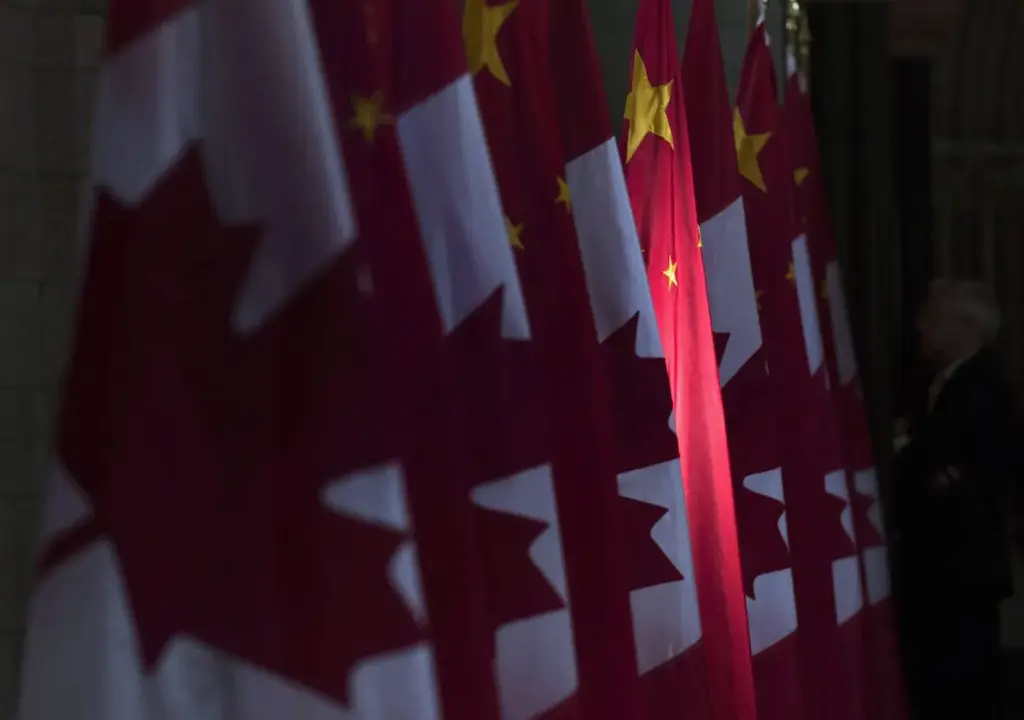
China’s economic coercion tactics raise concerns as it seeks to join the CPTPP amidst ongoing trade tensions with Canada. Canadian canola exports to China currently face a 75.8 percent tariff, which Beijing imposed in 2025. This situation complicates China’s bid for membership in an agreement originally negotiated as the Trans-Pacific Partnership.
Key facts:
- In 2025, China imposed a 75.8 percent tariff on Canadian canola seed exports.
- China has a history of undermining WTO obligations through state-owned enterprises.
- The CPTPP was designed to maximize benefits among countries that honor their commitments.
Trade experts express skepticism about China’s intentions. Ed Fast noted that when trading partners challenge specific abuses, China often resorts to economic coercion—cutting off exports and imposing tariffs. Bill Hawkins emphasized that these tariffs strategically leverage market access against Canada.
The EU-Mercosur interim trade deal will take effect on 1 May 2026. It eliminates tariffs on over 90% of bilateral goods exchange and is expected to increase the EU’s yearly exports by 39%. This deal also supports up to 600,000 jobs across Europe.
Poland plans legal action over potential risks to its agriculture from the EU-Mercosur deal. Władysław Kosiniak-Kamysz stated that food security and consumer safety are at risk. The EU-Mercosur deal was signed after over 25 years of negotiations, reflecting the complexity of modern trade agreements.
About The Author