Robotaxi guide for autonomous rides and city availability
 9 minutes read
👁 157 views
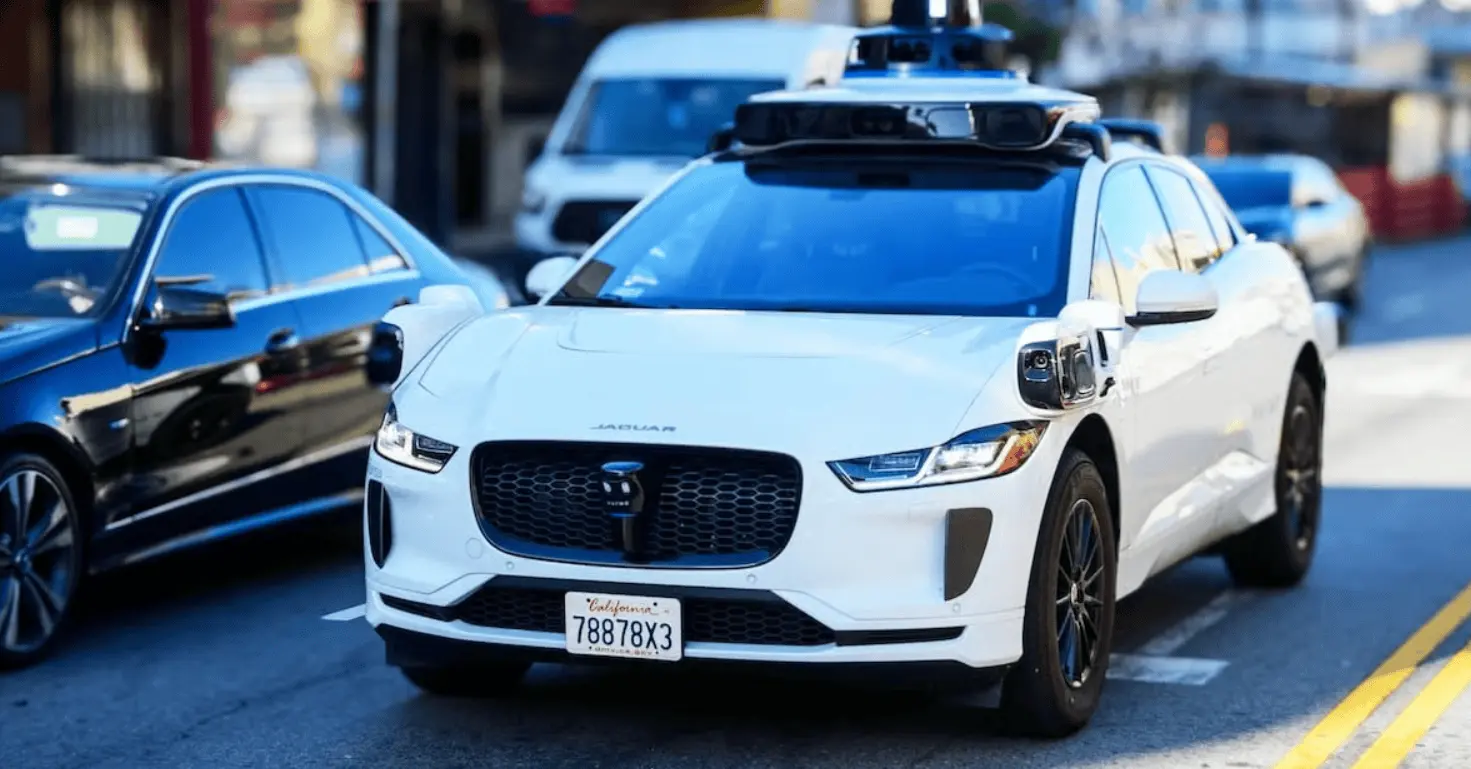
Urban mobility is moving toward software-managed transport, but the change is uneven across markets and cities. A Robotaxi service depends on mapped areas, verified pickup points, passenger controls, and support that can respond during the ride. The technology may look simple from the seat, yet the system behind it combines perception, routing, remote assistance, and local approval. Readers should view Robotaxis as transport products with real limits, not as effortless futuristic promises. A fair technology review looks at access, safety behaviour, rider controls, and how the vehicle reacts when the road becomes unpredictable.
Service overview for city coverage and ride access
The first user experience starts before the vehicle arrives, because coverage decides whether a trip can happen at all. Tesla Robotaxis can only feel practical when pickup zones, destination areas, account access, and ride instructions are easy to understand. The passenger needs confidence before entering the cabin, especially when no traditional driver is present. Clear boundaries matter because a nearby location may still sit outside the active service area. This section focuses on usability, service limits, and the basic journey flow rather than brand hype.
How rides start inside the app
A passenger journey usually begins with the app, where the rider checks the service area, pickup point, estimated trip information, and wait time. The Tesla Robotaxi flow should also help the user confirm the correct vehicle before stepping inside. Without a driver explaining the process, the interface must make door access, seatbelt prompts, trip start, and support options obvious. A fare shown in CAD is useful only when the service context makes that currency relevant.
- Pickup point: The app should show where the vehicle can safely stop.
- Vehicle check: The rider confirms plate, model, and trip details.
- Cabin entry: Doors, seating, and seatbelt prompts must be obvious.
- Ride start: The trip begins only when passenger readiness is confirmed.
- Support option: Help should be available if the route or stop feels wrong.
This sequence reduces uncertainty for first-time riders. It also shows why interface design is part of the safety experience, not just a convenience feature.
What services need before public expansion
Scaling an autonomous ride service is not just a matter of adding more vehicles. Robotaxis need consistent maps, tested routes, clear support processes, and careful rules for unusual traffic situations. Weather, construction, emergency vehicles, and difficult pickup zones can challenge even advanced systems. A city may allow service in one district while keeping other areas outside the operating zone. For users, safe growth means predictable behaviour and honest limits.
| Service factor | What to check | User impact | Review signal | Risk note |
| Service area | Pickup and drop-off zones | Fewer failed requests | Clear map boundaries | Sudden unavailability |
| App flow | Booking and ride controls | Less rider confusion | Simple trip steps | Poor instructions |
| Support | Help during the ride | Better incident handling | Visible help option | Slow response |
| Road limits | Weather and construction handling | More reliable trips | Clear restrictions | Route hesitation |
| Accessibility | Entry, seating, and storage | Wider usability | Practical cabin design | Uneven access |
Technology behind sensors, mapping and daily trips
Autonomous ride systems combine perception, planning, and control in a loop that runs constantly. A Robo Taxi model does not copy human instinct; it detects patterns, predicts movement, and chooses actions inside a defined operating area. Cameras, radar, lidar on some platforms, maps, and onboard computing can all play different roles depending on the system. The real test is ordinary city disorder, not an empty road. Daily reliability matters more than a polished demonstration.
How an autonomous car reads streets and obstacles
A modern autonomous car uses sensors to identify lanes, pedestrians, cyclists, signs, lights, vehicles, and road edges. It then estimates how those objects may move and chooses a safe path through the scene. Static objects, such as cones or barriers, can also change the meaning of a lane. The hardest moments often appear when traffic rules and human behaviour do not match neatly. Evaluation should therefore include messy streets, not only clean routes.
- Road markings: Faded lines can make lane position harder to judge.
- Pedestrians: Unpredictable movement needs cautious speed and spacing.
- Weather: Rain, glare, or fog can affect perception confidence.
- Construction zones: Temporary layouts can confuse stored map logic.
- Emergency scenes: Unusual vehicle positions require conservative decisions.
The service should be judged by how it handles these situations, not only by how smoothly it drives in ideal conditions. The stronger product usually explains limits instead of pretending every road is simple.
Why routing depends on local conditions
Routing is more complex than choosing the shortest road between two points. An AI taxi must consider safe stopping places, allowed turns, traffic behaviour, and the operating zone. Local driving culture also matters because cities differ in lane habits, pedestrian density, and road design. A route that looks efficient on a map may be poor if the vehicle cannot stop safely at the destination. Good routing blends maps, live conditions, and conservative decision rules.
Safety factors for passenger confidence
Safety in autonomous mobility is not a single feature or a simple claim. A Tesla Robo Taxi review should look at what the system does before the ride, during the ride, and when something unusual happens. Passengers need to know how hazards are detected, how support is reached, and what the vehicle does if the route becomes uncertain. The technology category also requires a clear distinction between driver assistance and a service built around no active human driver. Confidence grows when the product explains limits without dramatic promises.
How systems handle edge cases
Edge cases are situations that are rare, unclear, or hard to classify. A self driving taxi may face blocked lanes, sudden pedestrians, emergency vehicles, poor visibility, or a passenger asking for a different stop. It should slow, pause, reroute, or request support when confidence drops. Strong design does not mean the car never hesitates; it means hesitation is handled predictably. Passengers should feel that the service has a conservative path when the road becomes strange.
Why city rules differ between major areas
Regulation changes between cities because roads, weather, density, and public tolerance are different. A driverless taxi may operate in one zone while being restricted in another, even under the same brand. Local agencies may require reporting, permits, operational limits, or specific safety procedures. The result is a patchwork market where availability can differ sharply between regions. Readers should treat city approval as part of the product, not as a background detail.
Costs, access limits and rider experience details
The passenger experience is built from small details that appear before the vehicle moves. A Robotaxi may offer app booking, estimated wait time, cabin controls, and ride support, but those features matter only when they work consistently. Cost matters, yet price alone does not define the service. Riders also notice how close the pickup point is, whether the stop feels practical, and how easy it is to get help. In technology reviews, access limits are as important as the driving system itself.
What users check before booking
A careful user looks at coverage, pickup accuracy, trip estimate, vehicle identity, and support access before confirming a ride. The experience feels better when those details are visible inside one clean interface. If the rider must guess where the vehicle will stop, confidence falls quickly. A Robo Taxi service should also explain when it cannot complete a route, instead of hiding limits until the last moment. That honesty is part of the real user experience.
| Pros | Cons |
| A rider can request a trip through an app, review the route, and manage the ride without a conventional driver conversation. | Service areas may be limited, so a trip can be unavailable even when the destination seems nearby on a map. |
| Cabin privacy can feel calmer for users who prefer quiet travel, especially when controls and support are easy to find. | Weather, road works, and local rules can affect availability, routing, and the quality of the passenger experience. |
| Digital ride records, vehicle matching, and clear trip prompts can make the process more structured than informal transport. | Early services may still require careful user attention because operating rules can change by area. |
How support works during unusual onboard situations
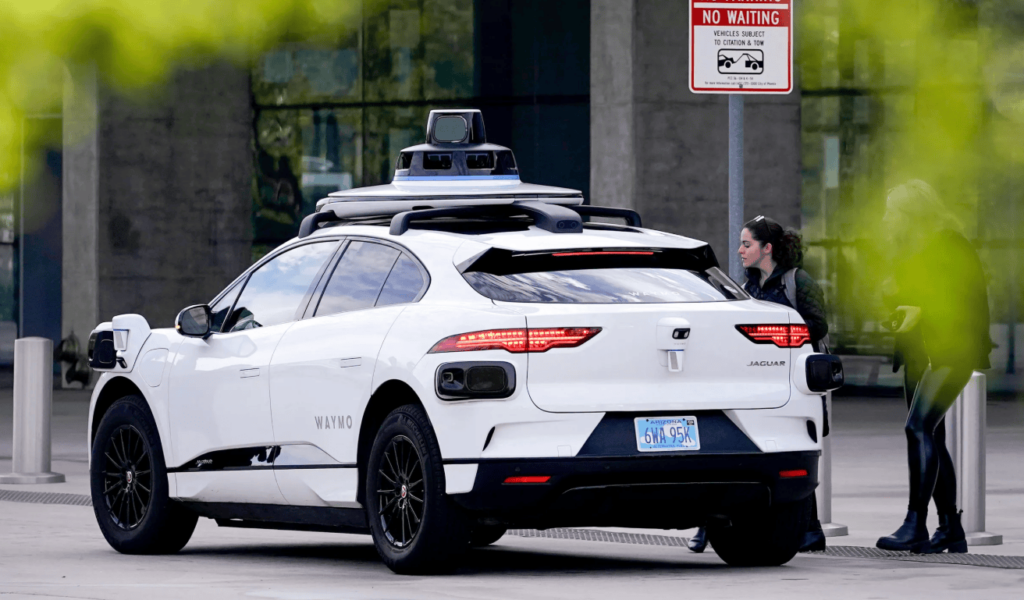
Support is one of the most important parts of autonomous ride design. A Tesla Robotaxi passenger may need help with a route concern, cabin issue, unexpected stop, or destination change. The support system should be easy to reach without searching through menus during a stressful moment. Remote teams may guide the situation or help the vehicle complete a safe manoeuvre within defined rules. Good support makes the ride feel managed even when no driver sits in the front seat.
FAQ about autonomous ride services and adoption
How soon can these services become widely available?
Wide availability depends on city approval, road testing, service coverage, and passenger support quality. Expansion usually happens gradually because every city has different traffic patterns, rules, and infrastructure. A service becomes practical only when users can book rides reliably in everyday conditions.
What makes this type of ride different from rideshare?
A traditional rideshare trip depends on a human driver who handles the route and road decisions. In an automated ride service, software, sensors, mapping, and remote support take a much larger role. The passenger experience may look familiar in the app, but the operating model is very different.
Can these services work in bad weather?
Bad weather can affect visibility, road markings, sensor performance, and route confidence. A responsible service should slow down, reroute, pause, or limit availability when conditions become difficult. Clear communication matters because riders need to know when weather may change the trip.
Are automated rides safer than human driving?
Safety cannot be answered with one simple comparison. It depends on testing, operating limits, road design, maintenance, monitoring, and local rules. The strongest evaluation looks at how the service performs inside the exact area and conditions where it is allowed to operate.
About the Author