World Cup attendance figures in Guadalajara and Toronto raise questions
 4 minutes read
👁 136 views
Why World Cup attendance figures don’t match the empty seats fans see - The Athletic - The New York Times
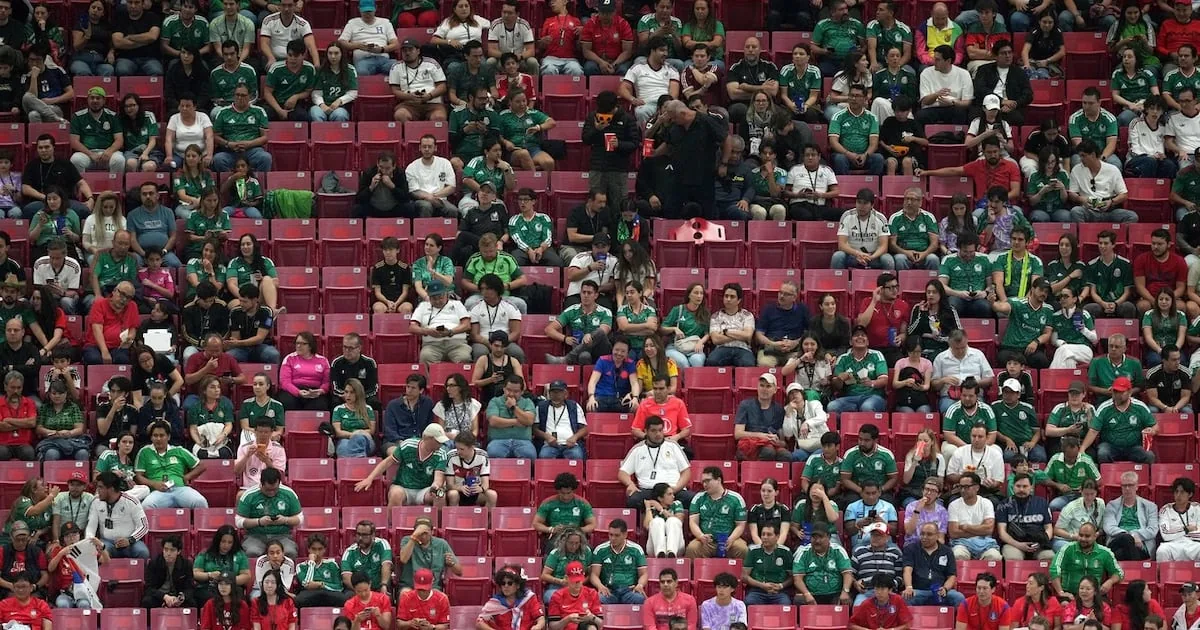
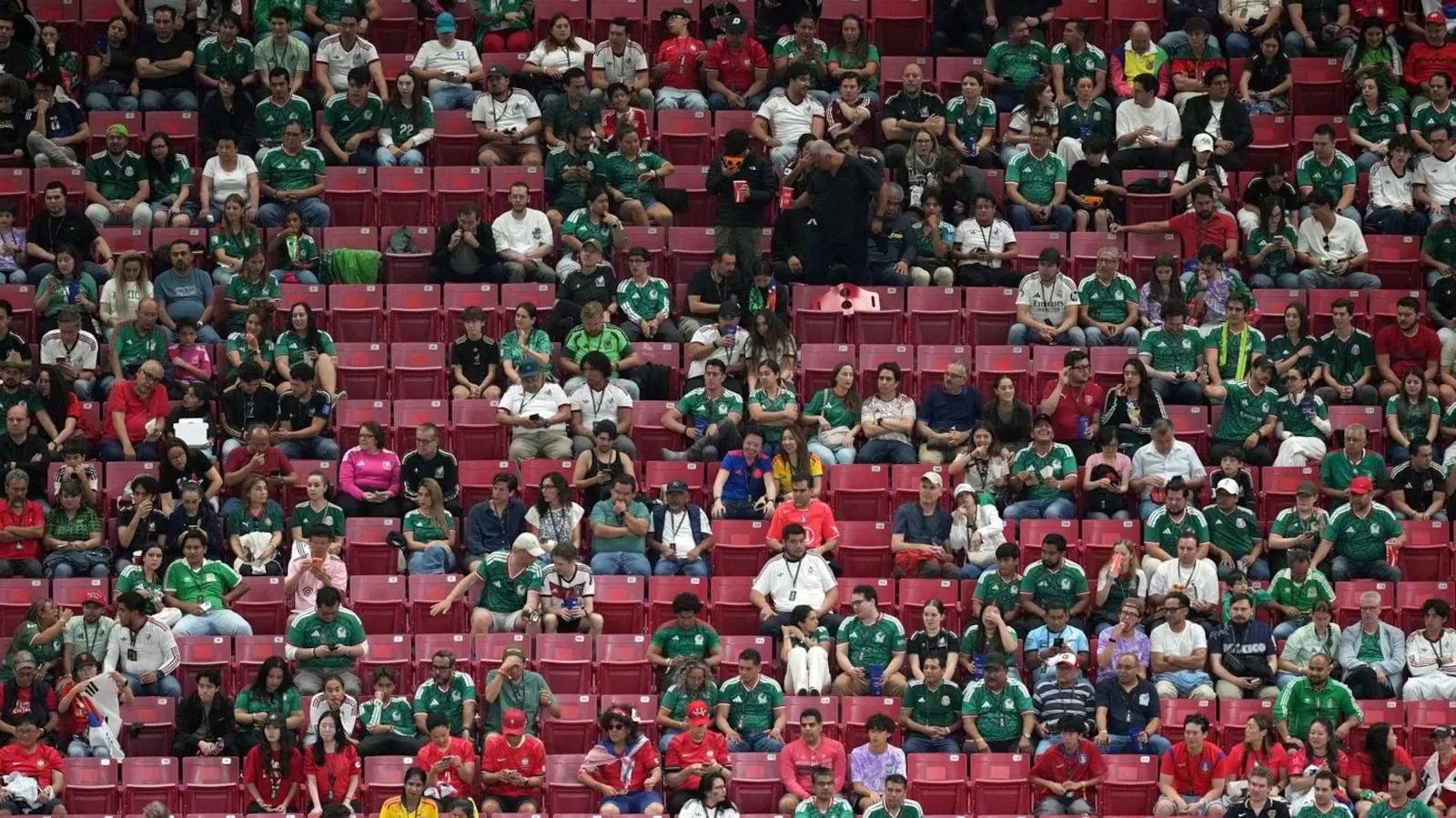
During the World Cup match between South Korea and the Czech Republic in Guadalajara, Mexico, visible empty seats were noted despite official attendance figures. The official attendance at Guadalajara Stadium was recorded as 44,985, which is close to its listed capacity of 45,664. However, sections, particularly around the centre circle, showed many unoccupied spaces.
FIFA addressed the discrepancy, stating that official attendance figures reflect the number of tickets scanned and spectators present within the stadium’s footprint, rather than a visual assessment of seating occupancy at any given moment. A spokesperson for FIFA noted that several ticketed fans were observed standing in concourses instead of remaining in their assigned seats throughout the match.
Understanding attendance figures
The practice of reporting attendance figures often involves publishing the number of tickets sold rather than the actual number of people present. This is common in domestic league games where season-ticket holders might not attend every match, leaving seats empty even if they are accounted for in official records.
Tournament football can also be affected by this, especially due to the significant number of tickets allocated to corporate sponsors. These corporate sections, often prominently featured on television, may appear empty or sparsely populated, particularly in the earlier stages of a tournament. The concentration of empty seats around the halfway line in Guadalajara could be linked to corporate ticket-holders not travelling for the game.
Stadium capacities for the World Cup can also be lower than their maximums due to structural modifications required to meet FIFA‘s standards. Many stadiums were not originally built for football, necessitating changes such as widening the playing field, which can involve removing seating sections. For example, SoFi Stadium, which was designed for American football, will operate at a reduced capacity of 70,492 for the World Cup, compared to its average attendance of 73,325 for LA Rams games last season.
Additionally, administrative adjustments, including space for advertising hoardings and international media coverage, can further impact stadium capacity.
Ticket sales and pricing
In January, FIFA reported receiving more than 500 million requests for tickets during a month-long application window. While FIFA President Gianni Infantino initially claimed that every match was sold out, this statement was later clarified by the governing body.
FIFA has held back some tickets for high-demand games, which can create an impression of scarcity. For certain matches, such as Mexico‘s 2-0 win over South Africa in Mexico City, there was a sell-out crowd. However, for other fixtures, like the South Korea versus Czech Republic match in Guadalajara, the anticipation may not have been as high.
Reports indicated that thousands of tickets for the United States‘ opening game against Paraguay were available on various resale sites. These included 5,311 tickets on FIFA‘s resale platform, approximately 3,000 on SeatGeek, around 2,000 on Ticketmaster, and several hundred on StubHub.
FIFA has implemented record high ticket prices for this year’s World Cup across the venues in the United States, Mexico, and Canada. The organization has used dynamic pricing, leading to repeated price increases since tickets first became available last fall. Infantino defended these prices, stating they are appropriate for the North American market, despite criticism over some list prices reaching five figures.
Empty seats in Toronto
In Toronto, during Canada‘s first World Cup match on home soil, some empty spots were observed. These were particularly noticeable close to the field in the lower bowl and in a high corner of temporary seating. The announced attendance for the match in Toronto Stadium was 43,002, just shy of its official capacity of 43,036.
Toronto Stadium is the smallest venue in the tournament and required additional seats to meet FIFA‘s minimum standards. The city of Toronto also hosted other sporting events during the same weekend, including a Blue Jays game against the New York Yankees and the Canadian Open golf tournament.
Read Also
Source: nytimes.com
About the Author