Where were the 2026 Winter Olympics held ?
 16 minutes read
👁 124 views
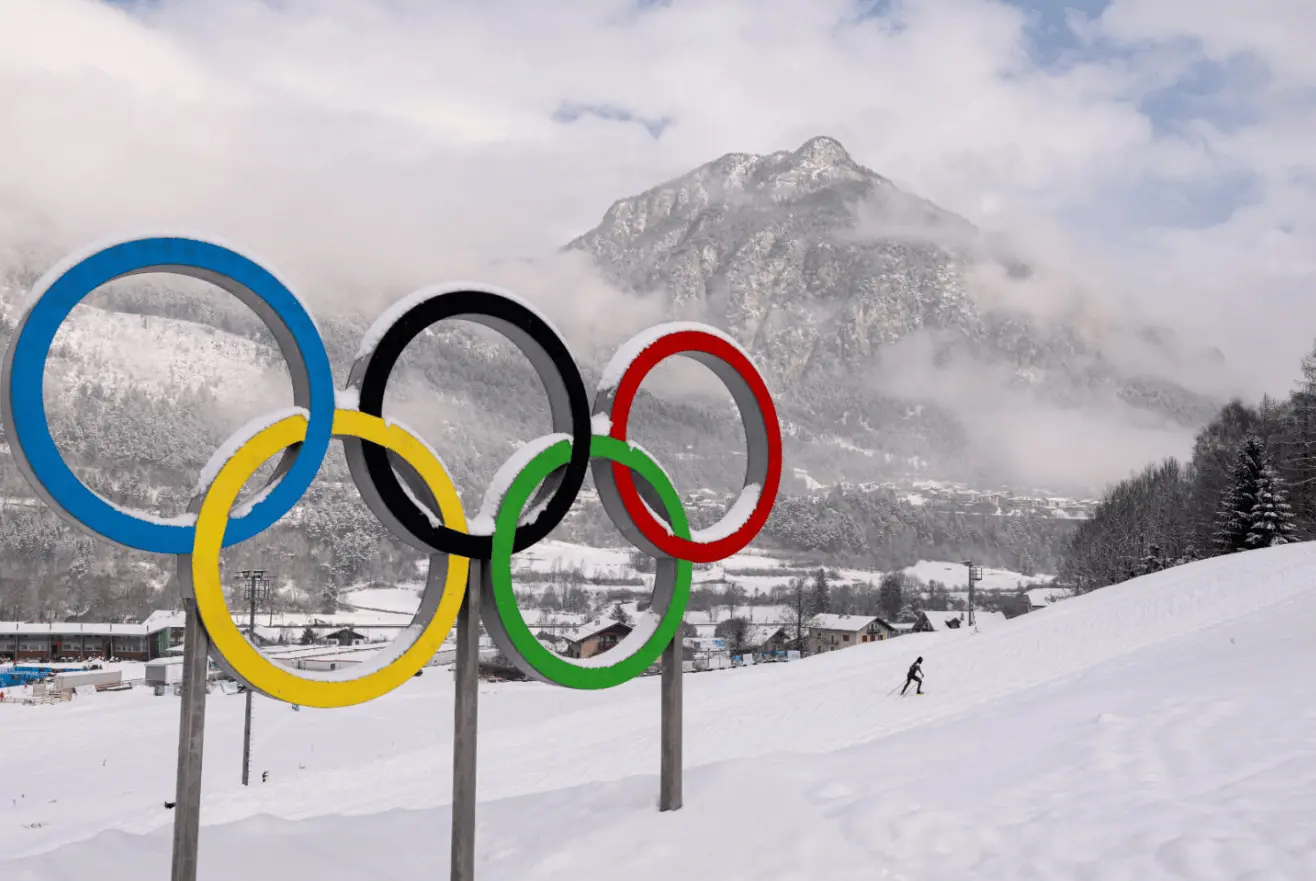
The Games took place from February 6 to February 22, 2026, across Northern Italy, with Milan and Cortina d’Ampezzo as the main host names. Readers asking where the event was held need more than one city name, because the setup used a regional map across cities, valleys, mountain resorts and specialized venues. Milan handled major city-based Olympic functions, while Cortina carried much of the classic alpine identity associated with the competition. The wider map also included Livigno, Bormio, Val di Fiemme, Anterselva and Verona, each with a specific role in the overall structure. This made the Italian edition different from a compact one-city event. Spectators did not move through one central Olympic park. They followed a spread-out map shaped by sport type, terrain, indoor venue needs and ceremony locations.
Overview of the 2026 Winter Olympics and host cities
Milan and Cortina d’Ampezzo were the two host names most people saw first, but the full setup reached beyond them through a Northern Italy network rather than one single destination. Indoor ice events, mountain races, Nordic disciplines, biathlon and ceremonies all needed different spaces, so the host map included city venues, alpine resorts and historic winter-sport areas. This structure shaped how spectators experienced the Games, because figure skating had a different location story from alpine skiing or biathlon. Milan brought city infrastructure and ceremony visibility, while Cortina added heritage, mountain scenery and winter-sport tradition.
How the Games were structured across different venues
The event was structured through venue clusters, with sports grouped by the facilities they needed rather than forced into one compact area. City arenas handled indoor events, while mountain locations hosted disciplines requiring slopes, tracks, snow parks or endurance courses, so the Olympic layout was not tied to one neighborhood or arena district. The setup also changed how people understood distance, because Milan, Cortina, Livigno, Bormio, Val di Fiemme and Anterselva were all part of the same Olympic story but not interchangeable bases. The exact venue mattered more than the headline host title, since some sports felt urban while others were shaped by weather, altitude and mountain access.
How the Milan Cortina host map worked
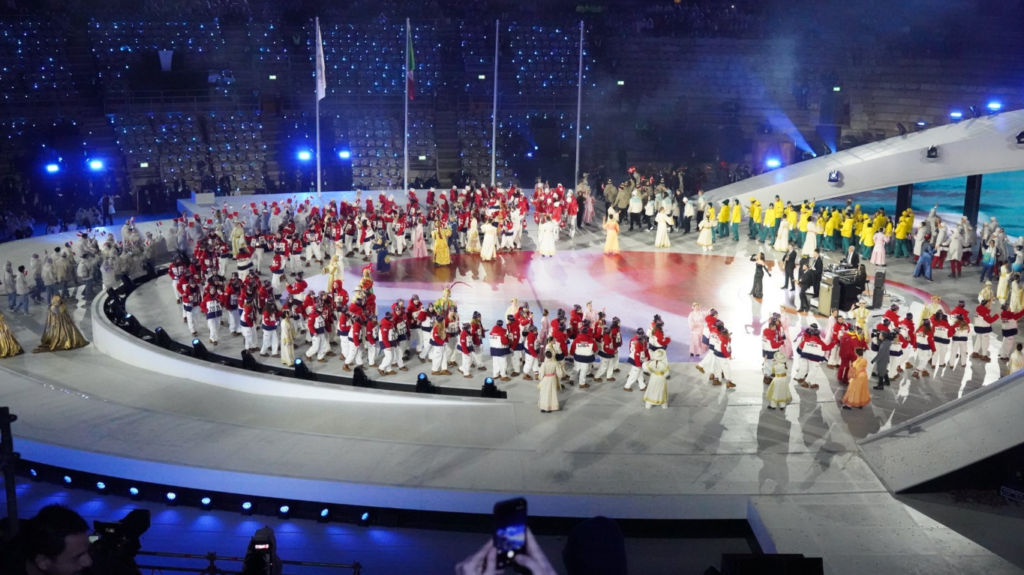
The Milan Cortina host map worked by pairing each sport with the location that best matched its technical needs. Milan was linked with indoor ice events and the opening ceremony, giving the event a strong city-based opening identity. Cortina d’Ampezzo carried alpine heritage and hosted a major mountain cluster, including curling, sliding and alpine-linked venues. Livigno was important for snowboarding and freestyle skiing, while Bormio was tied to alpine skiing and mountain events. Val di Fiemme served Nordic disciplines, Anterselva hosted biathlon, and Verona became the setting for the closing ceremony.
| Host area | Main role | Sports or event focus | What it showed about the Games |
| Milan | Urban Olympic hub | Indoor ice events and opening ceremony | City infrastructure and major-event visibility |
| Cortina d’Ampezzo | Alpine heritage cluster | Curling, sliding and alpine-linked venues | Historic winter-sport identity |
| Livigno | Snow park area | Snowboarding and freestyle skiing | Youth-focused mountain disciplines |
| Bormio | Mountain race setting | Alpine skiing and mountain events | Technical alpine terrain |
| Val di Fiemme | Nordic cluster | Nordic disciplines | Endurance and ski-jumping tradition |
| Anterselva | Biathlon venue area | Biathlon | Specialized snow-sport setting |
| Verona | Ceremony location | Closing ceremony | Cultural finale outside the competition map |
History and selection process for Winter Olympics hosts
Winter hosts have to solve problems that summer hosts often do not face in the same way, because snow, ice, altitude and mountain terrain create technical demands that cannot always be handled in one city. That is why these editions often rely on surrounding towns, resort areas and specialized competition sites. The Milan Cortina model followed that logic by using established winter-sport regions alongside major urban infrastructure. This host structure also reflected a broader move toward using existing venues where possible, since large indoor arenas, alpine slopes, sliding facilities and Nordic venues all require different planning. Northern Italy offered a practical mix of city capacity and mountain experience, even though spectators had to think regionally.
How cities bid and won the right to host the Games
A winter bid must show more than attractive scenery because it needs venues, transport, accommodation, broadcast capacity, athlete services and security planning. For snow and ice sports, each competition setting also has to meet international standards. Milan and Cortina worked as a combined host identity because one place alone did not naturally cover every requirement. The regional model connected different strengths: Milan offered city services, indoor venue capacity and international transport links, while Cortina and other mountain areas offered terrain and winter-sport tradition. Together, they formed a host map that matched the sporting program better than one compact venue zone could.
Lessons from previous Winter Olympics locations
Previous host locations show that official names often simplify a more complex venue reality. The public may remember one main city, but many events depend on surrounding regions. Alpine skiing, ski jumping, biathlon and sliding sports need specific terrain or infrastructure. That pattern was visible again in the Milan Cortina edition. For readers, the lesson is simple: the host city name is only the beginning. The real story comes from the venue map. A city may define the ceremony image, while mountain towns define much of the competition experience. The 2026 edition made that relationship especially clear.
Main sports and competitions at the 2026 Winter Olympics
The sports program helped explain why the event was spread across different host areas. Ice sports needed controlled indoor arenas. Alpine skiing needed mountain courses. Snowboarding and freestyle skiing needed snow park settings. Biathlon and Nordic events needed specialized winter-sport venues. The map made each sport feel different. A viewer watching from home saw indoor lights, mountain weather, steep slopes, snow parks and endurance trails across the same event. That variety became part of the identity of the Games.
Traditional winter events and their popularity
Traditional winter events remained central because they carry strong national and spectator interest. Figure skating, ice hockey, alpine skiing, ski jumping and biathlon each brought a different kind of attention. Some sports were easier to follow from city venues, while others depended on mountain conditions. That contrast helped define the rhythm of the competition. For Canadian readers, the spread of venues mattered because Canada has interest across several winter disciplines. Hockey, curling, freestyle skiing, snowboarding and skating all attract different audiences. The host map gave those sports different backdrops. This made location part of the viewing story, not just a travel detail.
New or returning disciplines for 2026
The Olympic program changes over time as sports formats develop and audiences shift. Some disciplines feel traditional. Others bring newer competition styles and younger fan interest. In 2026, the venue map helped show how different disciplines required different technical environments. Snow park events, alpine events and indoor ice competitions could not be treated as the same kind of venue experience. This mattered for both spectators and viewers. A newer event in a snow park had a different pace and visual style from a classic indoor arena event. A mountain race depended on terrain, course design and weather. The Games used location to support those differences rather than flattening them into one central setting.
Countries participating in the 2026 Winter Olympics
The event brought together athletes from nations with very different winter-sport traditions, with some countries followed closely in alpine skiing and others in skating, biathlon, hockey or snowboarding. Canada, Norway, Germany, Switzerland, Austria, Italy, Japan and the United States were among the teams that drew strong attention, while the host country gained extra focus because home venues added emotion to the competition. For Canadian readers, the Italian setting added another layer to the story, as the Games were not only about medals but also about how athletes performed across city arenas and mountain clusters. A country’s strength could look different depending on the venue type, which made the host map useful for understanding both competition and atmosphere.
Largest teams and medal contenders
Large winter-sport nations usually draw attention because they have depth across several disciplines, including skating, skiing, biathlon, hockey, curling and sliding sports. That does not guarantee results, but it gives those countries more opportunities across the schedule and more venue conditions to handle. Canada attracted interest across hockey, skating, freestyle, snowboard and curling, while Norway was closely associated with cross-country skiing, biathlon and endurance events. Germany remained important in sliding sports and biathlon, Switzerland drew attention in alpine skiing, and Japan had strong interest around figure skating, ski jumping and snowboarding. The final story depended on execution, form and event-day conditions.
Countries making their winter Olympics debut
Smaller delegations added another layer to the Olympic story, as some countries arrived with only a few athletes but their presence still mattered. A debut appearance often represented years of development in regions where winter sports were less common, giving the Games emotional weight beyond the medal table. The host map shaped how these athletes were seen, with mountain events offering a different context than city arenas. Spectators and viewers could appreciate how global the Games had become, making the competition feel larger than the most famous teams alone.
Venues and facilities for spectators at the 2026 Winter Olympics
Spectator facilities differed by venue type. Indoor arenas offered clearer seating, entrances and weather protection. Mountain venues required more attention to clothing, access time, snow conditions and route planning. The Northern Italy map included both city convenience and resort atmosphere. This structure gave the Games a wide identity. It also meant that spectators had to understand the map before judging the experience. A ticket in Milan and a ticket in a mountain cluster could feel like two very different trips.
| Pros | Cons |
| Multi-city hosting let spectators experience both major Italian city venues and mountain settings during one Olympic trip. | Travel between Milan, Cortina and mountain clusters could be complex because the locations were not close together. |
| Different venue clusters helped each sport take place in a setting that matched its technical needs and atmosphere. | Spectators needed more time between events because weather, crowds and transport routes affected movement. |
| The wider host map gave visitors more ways to connect sport, culture, scenery and local travel in one event. | The spread-out structure could increase costs in CAD when transport, accommodation changes and extra travel days were added. |
Alpine skiing, snowboarding, and ice sports arenas
Alpine skiing, snowboarding and ice sports showed why one venue type could not serve the whole event. Alpine races needed steep mountain terrain and established course infrastructure. Snowboarding and freestyle skiing required snow park features and resort access. Ice sports needed indoor arenas with controlled surfaces and seating. This made the host map practical rather than decorative. Each sport was placed where it could work technically and visually. Milan helped frame the urban side of the Games. Cortina, Livigno, Bormio and the other mountain areas showed the snow-sport side more clearly.
How the venue map affected spectator travel
The venue map affected travel because the Games were spread across several parts of Northern Italy, so spectators attending Milan-based events had a different route pattern from those following alpine or Nordic sports. Mountain clusters required more time, more weather awareness and more careful accommodation choices. For Canadian visitors, costs in CAD depended on route, hotel type, resort area and how many clusters they tried to combine. Staying far from the correct venue could make a cheaper hotel less practical, because travel was shaped by the sport first, then the host area. The Games rewarded planning that followed the map rather than the most famous city name.
Hotels and lodging near Olympic venues
Lodging near venues varied by setting. Milan offered more urban accommodation choices, while mountain areas had more limited and location-specific options. Resort stays could place spectators closer to snow events, but they also came with tighter availability and more complex transport. City stays worked better for indoor arena events. The key lesson is that lodging was not only a price question. A lower room rate could become less useful if it added long transfers. Families, groups and Canadian visitors comparing CAD costs needed to think about meals, transport, event timing and route changes. The most practical base depended on the sport being watched.
Transportation and local travel considerations
Local travel was one of the defining issues of the host map. The Games used multiple clusters, so spectators could not assume that all events were close together. Winter weather, crowds and security also affected movement. A route that looked simple on a map could take more time during a major event.
- Sport: Start with the event or discipline being followed closely.
- Venue: Match that sport to the exact host area and venue.
- Accommodation: Choose lodging based on realistic transfer time and distance.
- Transport: Check whether the route depended on train, shuttle, road access or walking.
- Buffer: Allow extra time for winter conditions, crowds and venue entry.
This order helped explain why the event was best understood through its venue map. The host name alone did not tell spectators how the day worked. The exact route mattered.
Tickets, broadcasts, and how people watched the Games live
Some fans attended in person. Others followed the Games through television and online coverage. Location still mattered for remote viewers because venue type shaped the atmosphere on screen. Indoor events looked and felt different from mountain races, snow park sessions or Nordic competitions. Weather, crowd placement and course design all influenced how events were experienced. For Canadian audiences, session timing and event popularity shaped viewing routines. Some sports were easier to follow live, while others suited highlights or replays. Knowing where events took place made broadcasts easier to understand. The venue map gave context to the images viewers saw.
How venue locations shaped ticket planning
Ticket planning was shaped by the sport, the venue and the session type. A ceremony or medal event carried a different planning load from an early round or lower-demand session. Spectators also had to think about whether two events could realistically be attended on the same day. In a spread-out Olympic map, location mattered as much as the ticket itself. This is the main retrospective lesson from the ticketing structure. A ticket was not only access to a sport; it was also a commitment to a host area, transfer time and local conditions. CAD budgeting for Canadian visitors had to include more than ticket price. Accommodation, food, route changes and winter travel could change the real cost of attendance.
Television and online streaming for global fans

Remote viewing made the Games accessible to people who could not travel to Italy, while television and streaming coverage helped fans follow multiple sports across the host map. Even from home, location remained part of the story: a mountain venue showed weather and terrain, while an indoor arena emphasized performance, lighting and crowd sound. Canadian viewers could follow favourite athletes, medal events and ceremonies without moving between clusters, but understanding the map made coverage clearer. It explained why one event had city energy and another had a resort atmosphere, making the Games easier to follow when viewers knew how Milan, Cortina and the other host areas fit together.
Sustainability efforts and environmental initiatives for the 2026 Winter Olympics
Sustainability was an important part of the discussion because winter events depend on mountain environments and heavy travel systems. The Milan Cortina edition used a regional host model that included existing sport areas and established infrastructure. That did not remove environmental concerns, but it changed the focus. The question became how the event managed travel, venue use, energy needs and mountain access. The spread-out map created both benefits and challenges. Existing venues could reduce the need for unnecessary new construction. At the same time, moving people across several clusters increased the importance of transport planning. The environmental story of the Games was therefore tied closely to the host map.
Green construction and eco-friendly venue planning
Eco-friendly venue planning often means reducing unnecessary construction and making better use of existing facilities. For the 2026 edition, established winter-sport areas played a major role. This helped connect the event to places that already had sport identity and local infrastructure. Upgrades and temporary works were still part of the picture, but the regional model avoided presenting one giant new Olympic park. Mountain areas required special care because roads, slopes and visitor movement can affect local ecosystems. Legacy planning also mattered after the Games ended. A venue is more defensible when it remains useful for athletes, residents and future events. That made long-term use part of the sustainability conversation.
Reducing carbon footprint during the Games
Transport was one of the biggest sustainability challenges. A multi-cluster event can create more movement than a compact host model. Public transport, shared shuttles and careful route planning helped reduce some of that pressure. Spectators who focused on one cluster could limit unnecessary transfers. Accommodation choices also affected the footprint. Staying far from a venue could mean repeated long journeys. Small decisions include reducing waste and respecting local rules. They mattered during a large event. The larger lesson is that sustainability was not separate from the host map. It was built into how people moved through it.
FAQ about host cities, venues, and spectator planning
What cities hosted the 2026 Winter Olympics?
The Games were held across Northern Italy, with Milan and Cortina d’Ampezzo as the main host names. Other areas, including Livigno, Bormio, Val di Fiemme, Anterselva and Verona, handled specific sports or ceremonies. This multi-location model helped match each event with the venue type it needed.
Which venues hosted skiing and snowboarding competitions?
Skiing and snowboarding events were held in mountain areas suited to each discipline. Livigno was linked with snowboarding and freestyle skiing, while Bormio and Cortina were important for alpine events. Val di Fiemme supported Nordic disciplines, which needed a different kind of course and setting.
Were there indoor arenas for ice sports?
Yes, indoor arenas were used for ice sports because those events needed controlled surfaces, seating and technical infrastructure. Milan was strongly linked with city-based ice events. This created a clear contrast between urban arena sessions and outdoor mountain competitions.
How did spectators plan travel between events?
Spectators had to plan around the venue map because the host areas were spread across Northern Italy. Travel between city and mountain clusters required time, route checks and weather awareness. The most practical approach was to start with the sport, confirm the venue, and then build transport and lodging around that location.
About the Author