How to read Olympic country rankings and medal results
 9 minutes read
👁 112 views
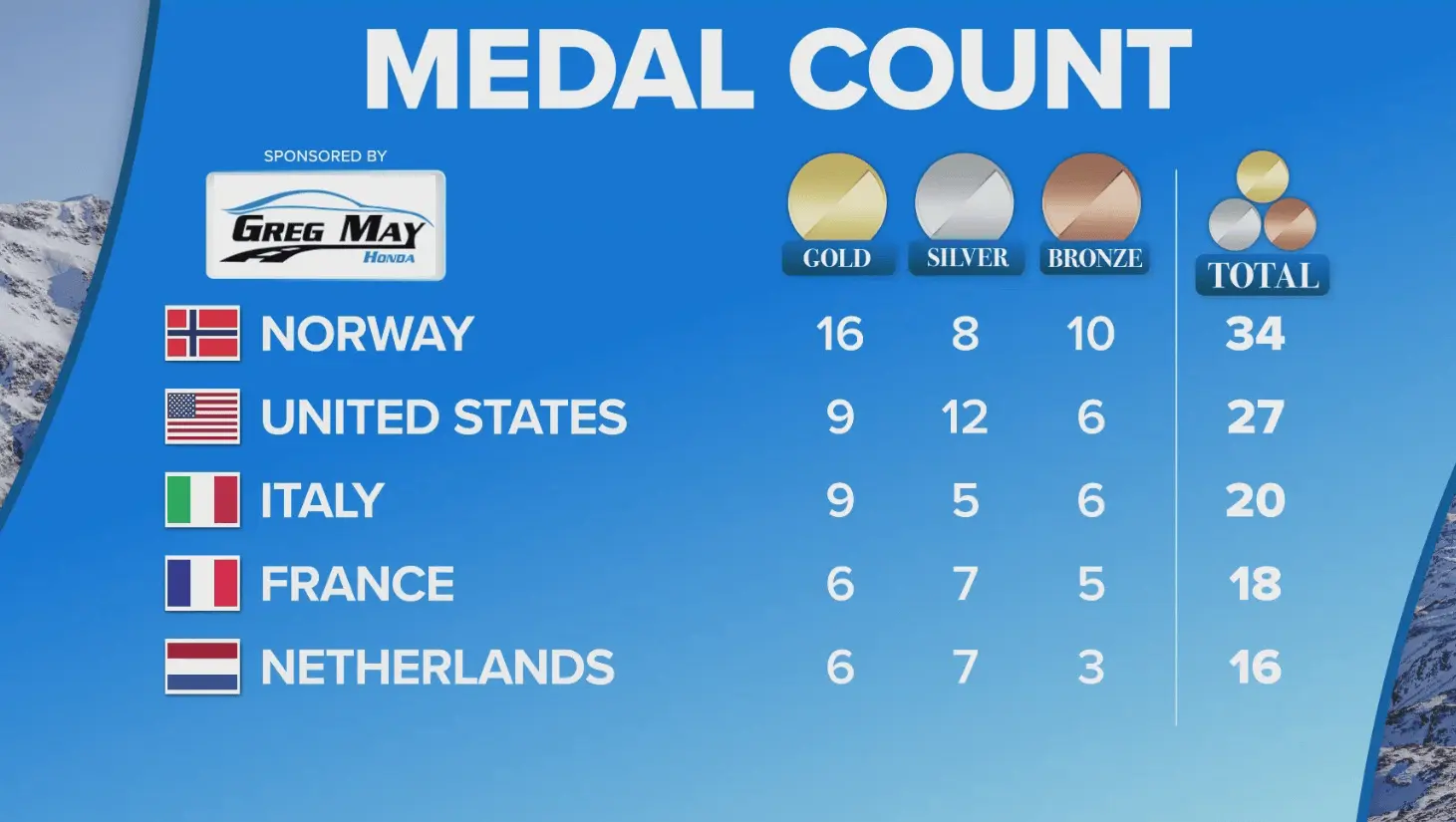
A clear Olympic results page does more than list winners. It helps readers understand how countries rise, fall, and hold position during a busy run of events. Fans use medal standings to compare national depth, follow podium shifts, and see how one result changes the wider picture. The main value of an evergreen guide is that it explains the logic behind the table without depending on a specific edition of the Games. A clear view of Olympic medals also helps readers compare countries across different sports, not only celebrate one famous victory.
Main principles behind country ranking pages
Country ranking pages group results into a structure that readers can scan quickly. The first thing to notice is how gold, silver, bronze, and total podium finishes are separated. Different publishers may display the medal table in slightly different ways, so the order can appear different even when the results are the same. A reader following medal standings should always check whether gold medals or total medals drive the ranking. This habit makes the page easier to understand and prevents confusion when countries are close.
How official results change after each event
Every final can adjust the order once results are confirmed and medals are assigned. The medal count increases for each country that earns a podium place, and the visible ranking may move after that update. A single result can matter a lot when countries are tied or separated by one medal. The Olympic medal count becomes more meaningful when readers connect each change to the event schedule. That connection shows whether a country is gaining depth or benefiting from one strong discipline.
- Final result: The event ends and the official places are confirmed.
- Medal type: Gold, silver, and bronze are added to national totals.
- Table order: Countries move according to the selected ranking method.
- Event context: Readers check whether similar events are still ahead.
- Comparison point: Totals are viewed against countries with similar chances.
This order keeps the board readable even when many events finish close together. It also helps readers avoid treating one update as the full story of a national team.
Why movement on the board needs context
Movement on a results board can feel dramatic, especially when a country jumps several places at once. Still, medal standings only show completed outcomes, not the full set of remaining opportunities. A country may rise early because its strongest sports happen sooner, while another may wait for later events. The medal table should therefore be read together with the schedule and the type of sports still to come. Context turns a quick ranking into a more useful picture of national performance. This is why medal standings should be read as a moving picture, not as a fixed final answer.
| Ranking signal | What it shows | How to read it | Common mistake |
| Fast climb | Several podiums close together | Check whether more events remain | Assuming the pace will continue |
| Gold-heavy rise | Fewer medals but stronger wins | Look at top-end quality | Ignoring broader depth |
| Total-heavy rise | Many podium finishes | Notice consistency across sports | Overrating without gold context |
| Sudden stall | No new podiums after success | Review the remaining schedule | Calling the team finished too early |
| Late strength | Medals expected in later sports | Keep early ranking in perspective | Judging before key events arrive |
Sorting rules for national totals and podium results
Ranking rules explain why two tables can show the same results in different orders. Some formats put gold medals first, then silver and bronze, while others emphasize total podium finishes. The Olympic medal table can therefore look different depending on the sorting choice. Readers who understand the method can compare countries more fairly. This is especially important when the medal count is close and small differences change the visible order.
What counts in official country result pages

Official country pages usually separate each medal type instead of merging everything into one number. Gold often receives the highest priority, because it marks the winner of an event. Silver and bronze still matter because they show depth, consistency, and the ability to reach the podium in several sports. The Olympic medal count is easiest to read when those layers are kept apart. A total-only view may be useful, but it should not hide the value of gold-led rankings.
Where live updates can confuse readers
Live result pages can create confusion when projected results sit near confirmed outcomes. A reader may see a country rising in a preview and assume the Olympics medal count has already changed. Another issue appears when one platform sorts by gold and another sorts by total medals. These differences do not mean the data is wrong, but they do require careful reading. A stable evergreen explanation should teach users to separate confirmed results, projections, and commentary.
Country comparisons across sports and event schedules
Country comparisons work best when they include more than the current rank. Some nations collect Olympic medals across many disciplines, while others rely on a smaller set of specialist events. That difference explains why a leader may look strong but still have limited room to grow. Readers should compare current totals with remaining opportunities and historic sporting depth. The strongest reading combines numbers, event variety, and timing.
How national depth appears across different disciplines
A broad national team usually earns podiums in several unrelated sports. This pattern gives Olympic medals by country more meaning than a simple total row. When results come from many disciplines, the country may be showing real depth rather than one short burst. A narrower medal run can still be impressive, but it should be understood differently. The table becomes more useful when readers ask where the medals came from and what events remain.
Reading early leaders without overvaluing one surge
Early leaders often receive the most attention because they are easy to identify. The problem is that Olympic standings at one point in the schedule may not reflect the final balance of events. Some strong countries start slowly because their best disciplines happen later. Others begin quickly and then have fewer medal chances left. A careful reader treats the current ranking as a snapshot, not a final verdict.
- Country depth: Medals across many sports suggest broader strength.
- Event timing: Some national teams peak later in the schedule.
- Gold balance: A high total without many wins may need careful reading.
- Remaining finals: Future events can change the order quickly.
- Sorting method: Gold-first and total-first views can tell different stories.
This approach keeps the comparison grounded. It also makes the standings useful for casual readers who want more than a quick glance.
Trends that explain ranking changes over time
Ranking trends show how a country’s position develops instead of freezing one moment. A single win can create excitement, but repeated podiums across different events tell a stronger story. The medal table becomes more valuable when readers compare movement over several updates. A country that rises steadily may be showing reliable depth, while a sudden leap may need more explanation. Looking at movement over time makes the results page feel less random. For evergreen readers, medal standings become more useful when they explain patterns instead of only showing positions.
Using movement to compare momentum and stability
Momentum is not just about moving upward. A country can show stability by holding position while others rise and fall around it. Olympic medal standings are useful because they show both current rank and the pressure coming from nearby countries. Readers should ask whether the movement is supported by several sports or one isolated result. That distinction separates a durable trend from a temporary highlight. In this sense, olympic medal standings help readers compare movement, pressure, and national depth without relying on one result.
| Pros | Cons |
| A ranking board gives readers a quick way to follow several countries at once without checking every event separately. | A visible lead can be misleading when the strongest remaining events belong to countries placed lower on the board. |
| Country movement helps explain whether a nation is building broad podium depth or relying on one standout discipline. | Different sorting methods may confuse readers if gold-first and total-first tables are compared without context. |
| A structured view makes it easier to notice ties, narrow gaps, and changes caused by late official updates. | A table cannot explain athlete condition, team selection, or event difficulty without extra reading. |
| The board supports cleaner discussion because readers can separate confirmed results from guesses and projections. | Quick movement may create overconfidence if the schedule and remaining medal chances are ignored. |
How gaps between countries shape reader interest
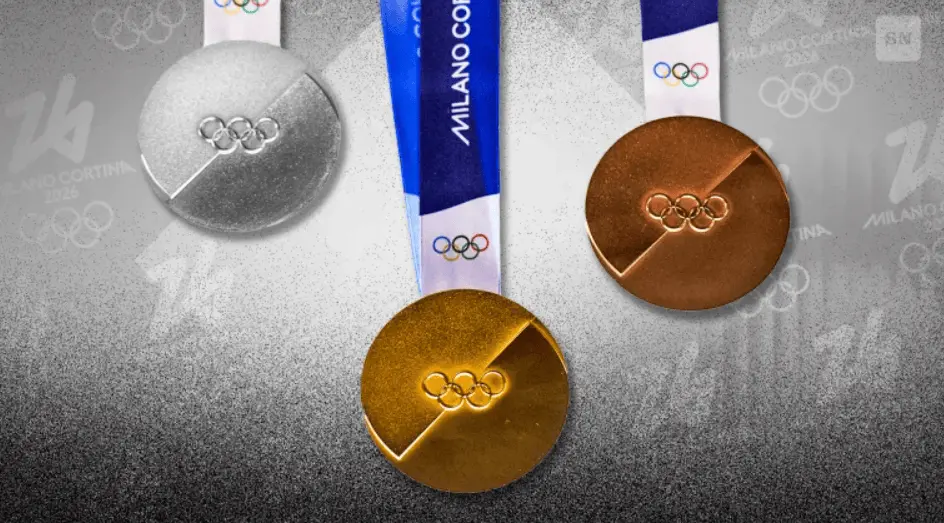
Gaps between countries influence how closely readers follow the next set of events. A small difference can make every final feel important, especially when two teams are close in golds or total medals. A wider gap may look settled, but it can still narrow when medal-rich sports appear later. The medal count should always be matched with the schedule before readers judge whether a lead is secure. This method gives the table more depth and reduces quick assumptions. It also helps readers understand why a country’s position can change even after a strong early run. When the remaining events are viewed carefully, the standings become easier to read without overvaluing one temporary lead.
FAQ for readers following Olympic country results
Why do country rankings change during the Games?
Country rankings change when official event results add new medals to national totals. A single final can move several countries if teams are close in the standings. The Olympic medal table may shift quickly when gold medals decide the main order.
How are countries ordered on official tables?
Countries are often ordered by gold medals first, then silver and bronze as tie-breakers. Some tables also show total medals more prominently, which can make the order look different. The Olympic medal count is easier to read when the sorting method is clear.
What makes totals useful for casual readers?
Totals show how much podium presence a country has across different sports. They help readers compare depth, consistency, and overall national performance. The medal count works best when it is read together with gold medals and remaining events.
Are current rankings enough for future expectations?
Current rankings are useful, but they only show what has already happened. Olympic standings should be compared with the event schedule and remaining medal chances. A country lower on the board may still have strong opportunities ahead.
About the Author