Canada Men’s Soccer: Why the Next Matches Matter
 9 minutes read
👁 95 views
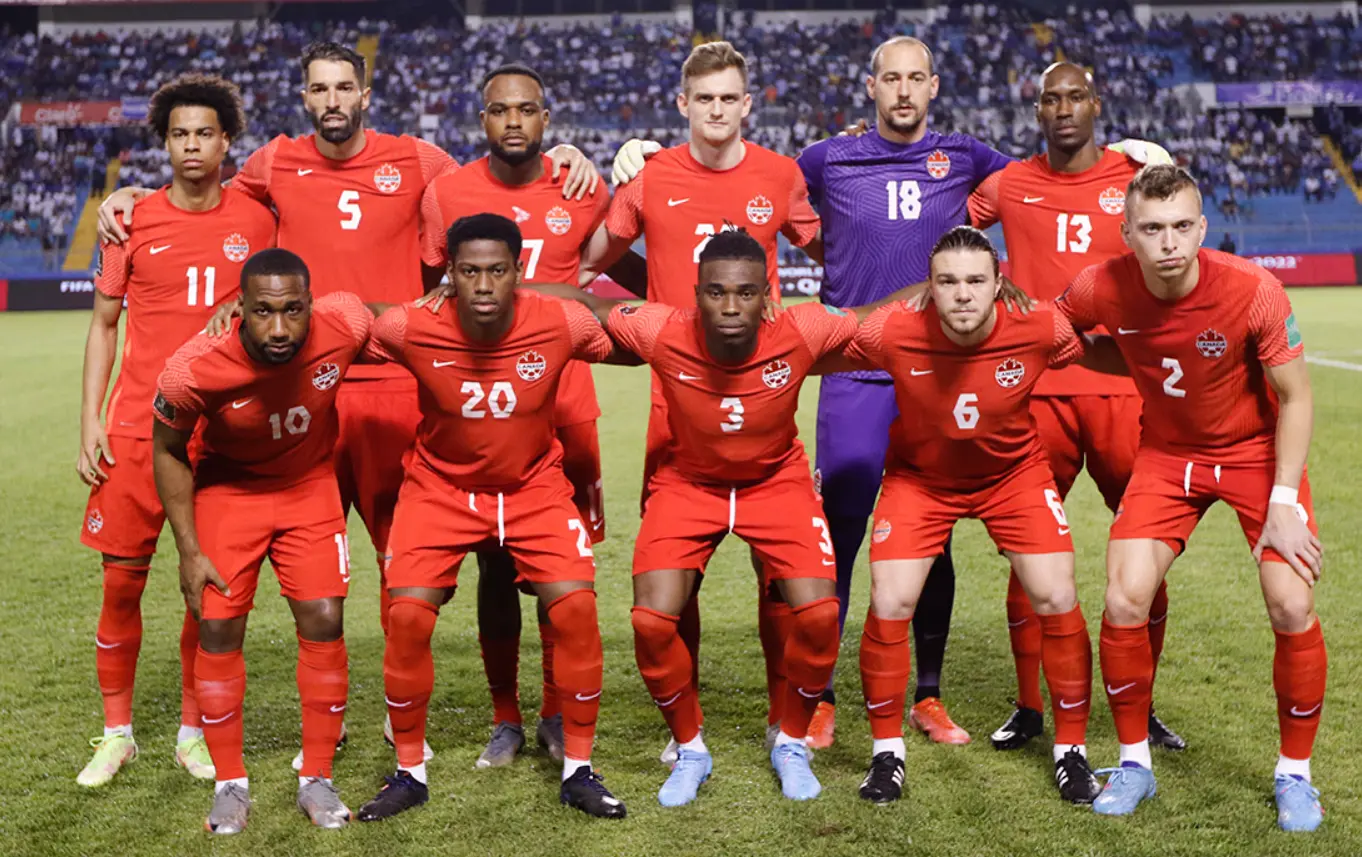
The national team has become a bigger part of Canada’s sports conversation. More fans are following results, player form, tournament paths, and travel plans beyond major matchdays. The Canada men’s national soccer team has helped shift that interest by becoming more visible in regional and international competition. For readers, the key question is how strong the team is right now. The answer depends on players, fixtures, regional form, and the Canada world cup schedule. Understanding those pieces makes match previews, standings, and tournament coverage easier to follow. Canada soccer now works as a wider ecosystem. It connects youth academies, professional clubs, travelling supporters, and casual viewers.
Growth of soccer team and modern expectations
The team’s story is about more than one tournament or one generation of players. It reflects stronger player pathways, better coaching habits, and growing fan attention across the country. The Canada men’s soccer team benefits from players gaining experience in domestic and international leagues. It shows in quicker decisions, stronger pressing, and more flexible match plans. Long-term progress depends on repeating good performances against different opponents. Canada men’s national soccer team standings help fans understand whether the team is truly improving or only enjoying a short run of strong results.
How team identity has changed over time
The national side used to be judged through isolated moments. Canada men’s soccer is now followed through squad depth, youth development, tactical systems, and tournament preparation. This gives supporters more regular matches, more data, and higher expectations. Canada soccer is also more connected to club development and international exposure. Players competing abroad often return with sharper habits and faster decision-making. For readers, every call-up now matters because it can affect the team’s style, speed, balance, and match strategy.
Current players and squad depth
A national team depends on more than star names. Tournaments bring travel, fatigue, injuries, and tactical changes. Canada men’s national soccer team players now come from different club environments. It gives coaches more options in pace, defense, and creativity. The squad also needs balance between youth and experience. It happens since young players can add energy while veterans often manage pressure better. Canada men’s national soccer team games can shift quickly. So, selection depends not only on talent but also on chemistry, roles, and the ability to handle difficult moments.
Roles that shape match performance
Goalkeepers give the team control from the back. Defenders set the line, manage pressure, and help start attacks. Midfielders connect the whole structure. Forwards turn good movement into goals. Canada soccer often looks strongest when those four layers work together rather than as separate units. Fans should watch how the team reacts after losing the ball. That moment often reveals whether the shape is organized or stretched. Canada men’s national soccer team players who can press, recover, and attack again quickly are especially valuable. For supporters, those details can explain why one lineup feels balanced and another looks risky.
Canada world cup schedule and tournament planning
Planning for upcoming tournaments requires careful attention to match timing, logistics, and player readiness. Coaches need to consider travel, rest, opponent style, and player availability. A fixture list is not just a calendar; it is a road map for managing energy. Fans planning to attend or watch matches should also read the schedule carefully. A game that looks simple on paper may be more demanding because of travel, climate, or opponent rhythm. Canada men’s soccer team preparation depends on getting those details right. Supporters should avoid judging a match only by the opponent name. Context often decides whether a fixture becomes comfortable, tense, or physically draining.
| Match or event type | Likely venue setting | Main reader focus | Travel note |
| World Cup qualifier | Major national stadium | Stakes, lineup strength, and table impact | Plan early because demand can rise quickly |
| Concacaf match | Regional tournament venue | Opponent style and tactical response | Check city-to-city travel before booking |
| Gold Cup fixture | Large football stadium | Knockout path, squad rotation, and fan turnout | Allow time for crowds and security |
| Friendly match | Club or secondary stadium | New players, tactical tests, and fitness | Easier for casual fans to attend |
| Training event | Team facility or closed venue | Squad preparation and media updates | Public access may be limited |
Concacaf and gold cup performance
Regional competition is where Canada can measure itself against familiar rivals. Concacaf games are often physical, tactical, and emotionally charged. The gold cup gives the team a chance to test depth and handle knockout pressure. These tournaments also help fans understand which players perform well when the match becomes uncomfortable. This matters because regional success can build belief before global competition. A strong run does not guarantee future results. It gives the squad useful experience. Canada men’s national soccer team standings often reflect how well the team handles these regional tests. For supporters, the value is clear: every tournament adds another layer to the team’s identity.
Fan planning for Canada men’s national soccer team games
Following the team live requires more than choosing a match. Stadium location, ticket demand, transport, and timing all affect the experience. Canada men’s national soccer team games can feel very different depending on the venue and opponent. A home qualifier may feel intense and crowded, while a friendly can be more relaxed and family-friendly.
- Match: Choose the specific game or tournament session first.
- Venue: Match that game to the exact stadium and city.
- Tickets: Compare seat areas, pricing, and entry rules before buying.
- Accommodation: Look for nearby lodging with realistic travel time.
- Transport: Check public transit, parking, shuttle options, or walking routes.
- Buffer: Add extra time for crowds, weather, security, and post-match delays.
This approach keeps planning grounded in the real match location. It helps fans avoid booking around a city name without checking the stadium. It also makes the day easier for families, groups, and travelling supporters.
What regional tournaments reveal

Regional matches show whether a team can manage different styles. Some opponents press high, others defend deep, and some rely on speed in transition. Canada soccer needs flexibility to handle all of those approaches. A team that only wins one way can become predictable. The gold cup can also reveal which players are ready for bigger responsibility. Coaches may use the tournament to test partnerships, formations, and late-game decisions. Canada men’s soccer fans should watch not only the score, but also how the team responds after setbacks. That reaction often says more than a comfortable win.
Practical tips for following Canada soccer
Some fans attend matches, while others follow from home. Both groups need a simple system for tracking news, lineups, and tournament movement. Canada soccer coverage can change quickly around major competitions, especially when injuries or squad updates appear. A calm, organized approach helps readers avoid confusion.
- Schedule: Check match timing before planning viewing or travel.
- Lineup: Review starting players because tactical choices can change the game.
- Form: Look at recent performances instead of relying only on reputation.
- Opponent: Study the rival’s style to understand match pressure.
- Standings: Track table movement after every important result.
These habits make the fan experience more informed. They also help supporters understand why a coach may rotate players or change formation. Over time, following these details makes each match more interesting.
Pros and cons of following Canada men’s soccer team closely
Following a national team can be exciting. It also requires patience. Results can shift quickly, especially in tournaments where one mistake changes the entire mood. Canada men’s soccer offers strong storylines for fans who enjoy player development, tactical discussion, and regional rivalries. Supporters should also understand the practical challenges of travel, scheduling, and expectation management.
| Pros | Cons |
| Following the team gives fans a stronger connection to national sport culture, player development, and major tournament storylines. | Travel planning can be difficult because matches may take place in different cities, countries, or tournament settings. |
| Different competitions help supporters see how the squad performs in friendlies, qualifiers, regional events, and higher-pressure matches. | Fans may need to manage changing kickoff times, travel costs, ticket demand, and broadcast availability. |
| Watching the squad over time makes it easier to understand tactics, player roles, and the meaning of each result. | High expectations can make normal setbacks feel larger, especially after strong performances or media attention. |
Media coverage, viewing options, and fan discussion

Broadcasts, streams, live blogs, social media, and post-game analysis now shape how people follow the team. This makes coverage more accessible. It can also create noise. A single result may produce strong reactions before the full context is understood. Canada men’s national soccer team games are easier to evaluate when fans separate emotion from performance details. Viewing from home also has its own rhythm. Some supporters focus on live matches. Others watch highlights or tactical breakdowns later. The Canada world cup schedule can affect viewing plans. Match timing may not always fit daily routines. Fans who plan ahead are less likely to miss important fixtures.
FAQ about men’s soccer and team performance
What competitions does the national team usually play in?
National team regularly competes in regional tournaments, qualifiers, friendlies, and major international events. These matches help measure squad depth, tactical progress, and player form. For fans, each competition offers a different way to understand team development.
How should fans read the team standings?
Standings should be read with match context, opponent strength, and recent form in mind. A table position can show progress. It does not explain everything about performance. Supporters should also look at goals, injuries, schedule difficulty, and tactical changes.
Which players should supporters watch most closely?
Supporters should watch players who influence tempo, chance creation, defensive recovery, and set pieces. Star forwards often get attention, but midfielders and defenders can decide difficult matches. The best viewing approach is to follow roles, not only names.
How can fans plan around upcoming matches?
Fans should begin with the exact fixture, venue, and kickoff time before booking anything. Travel, accommodation, tickets, and broadcast access should be checked after the match details are clear. This makes planning easier and reduces avoidable problems on match day.
About the Author