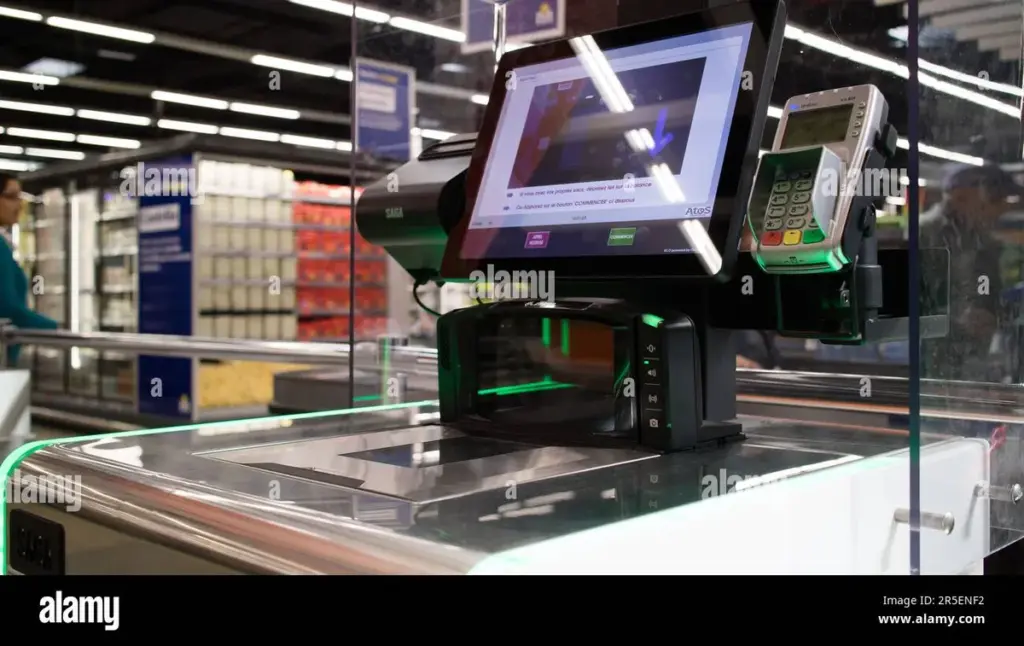
Walmart is removing self-checkout lanes at some stores due to rising theft concerns. The South Philadelphia location is now the only Walmart in the city without self-checkout.
Key statistics:
- Retail theft in the US reached a total of $90 billion, with self-checkout theft being a major contributor.
- A 2025 LendingTree survey found that 27% of shoppers admitted to deliberately stealing at self-checkout.
- Loss rates at self-checkout can be up to 16 times higher than manned checkouts.
- Walmart plans to remodel more than 650 stores across the US, shifting back to cashier-led lanes.
A Walmart spokesperson stated, “These changes are guided by feedback from associates and customers, local shopping patterns, and the needs of the business in each community.” Retailers are responding to theft by introducing stricter item limits and increasing employee supervision at self-checkout lanes.
The rollback reflects a growing reassessment across the retail sector over whether self-checkout systems actually improve efficiency and customer satisfaction in every market. Lawmakers in several states are considering new rules to regulate self-checkout systems.
Self-checkout systems became widely popular during the past decade as retailers attempted to reduce labor costs and speed up checkout times. However, as theft continues to rise, companies like Walmart are reevaluating their strategies.
The growing political scrutiny reflects mounting concerns over retail theft, customer experience, and the impact of automation on jobs. The future of self-service technology in retail may depend on how effectively companies can address these challenges.
About The Author