Raghav Chadha’s alleged deal with Amit Shah has led to a significant political shift. Seven AAP Rajya Sabha MPs defected to the BJP on April 24, 2026. This move comes as the Aam Aadmi Party (AAP) accuses the Bharatiya Janata Party (BJP) of attempting to engineer a split within its ranks.
Chadha, a Rajya Sabha MP from AAP, is at the center of the controversy. He allegedly struck a deal with Amit Shah aimed at weakening AAP in Punjab. Critics accuse him of being used as a tool in a conspiracy against his own party.
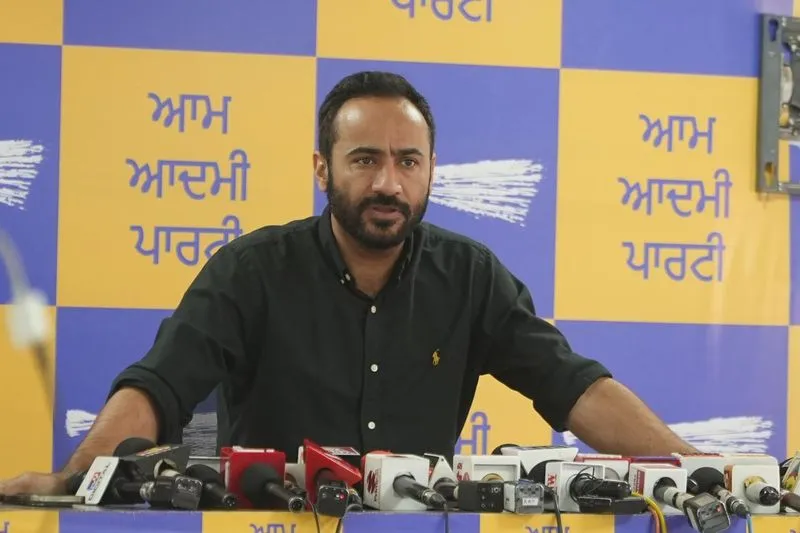
Baltej Pannu, an AAP leader, claimed that Chadha was asked to bring seven MPs into the BJP fold. He stated that Chadha had been tasked with breaking the party by terrorizing MPs through the Enforcement Directorate and forcing them to sign blank papers.
The defected MPs assert they are not liable for disqualification. They argue they represent more than two-thirds of the AAP Parliamentary party in Rajya Sabha, which protects them under current regulations.
The BJP is accused of running ‘Operation Lotus’ to poach AAP MPs. This operation aims to destabilize opposition parties by encouraging defections. The current strength of the BJP-led National Democratic Alliance in the Upper House now stands at 141.
Chadha reportedly met with BJP president Nitin Nabin along with other defected MPs. He has allegedly been promised a ministerial berth at the Centre in exchange for his actions.
Gurmeet Singh Meet Hayer, another AAP leader, criticized Chadha’s actions. He stated that Chadha had ‘stabbed Punjab and the party in the back’ by allegedly striking this deal.
As this situation unfolds, observers are closely watching how it will affect both parties moving forward. The ramifications of this defection could reshape political dynamics in Punjab and beyond.
About The Author