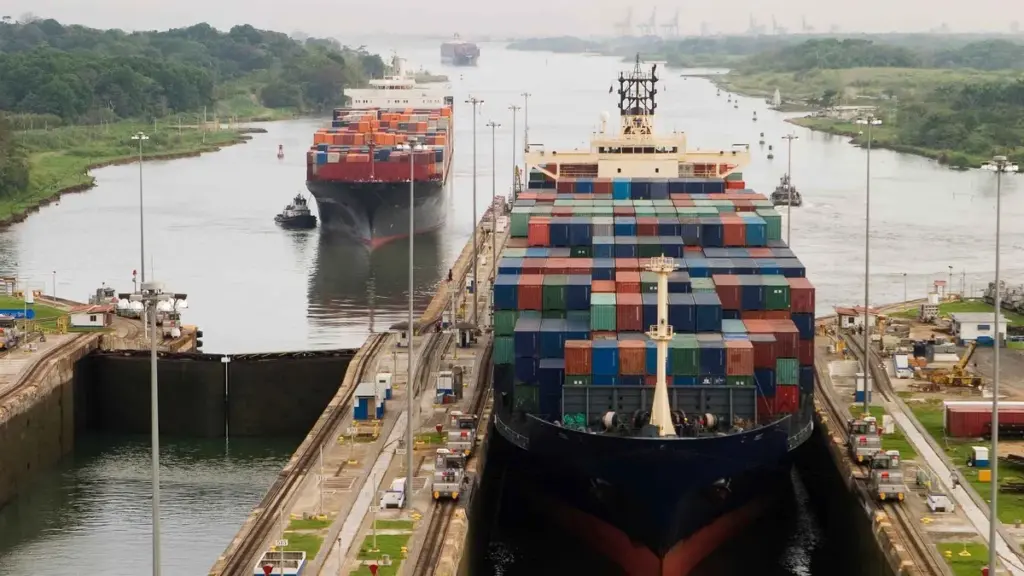
The Panama Canal is experiencing a surge in transits and passage costs due to heightened global demand and shifts in trade patterns. The average number of daily transits has remained strong, with 34 ships per day in January and 37 in March. This increase reflects significant changes in global shipping dynamics.
Since October, the Panama Canal recorded around 300 additional vessel crossings compared to the same period last year. The Panama Canal Authority expects a further increase in shipments moving through the waterway.
Liquefied natural gas (LNG) exports play a key role in this surge. LNG transits through the Panama Canal totaled 12 in April 2026, with eight being unladen carriers returning to the US. The number of laden LNG carriers traveling west to deliver US cargoes remained steady at four.
Some LNG carriers are willing to pay steep fees to avoid delays. One liquefied natural gas carrier paid USD 4 million to bypass the queue at the Panama Canal, avoiding a wait of up to five days. This indicates the high stakes involved for shipping companies.
The increase in Panama Canal traffic also highlights shifts in global trade patterns and market conditions. An LNG trader noted, “The arbitrage seems to be opening up; there are some cargoes going to Southeast and South Asia.” This suggests that changing demand is influencing shipping routes significantly.
However, the rise in traffic comes with concerns over resource allocation. Approximately 40% of the Canal’s water is used for ship transit rather than human consumption. Critics have raised alarms about this prioritization.
Additionally, the Río Indio Dam project could displace around 2,543 people, raising questions about environmental and social impacts as neoliberal policies push for infrastructure development.
As global trade continues to evolve, further developments are expected regarding both shipping patterns and resource management within the Panama Canal.
About The Author