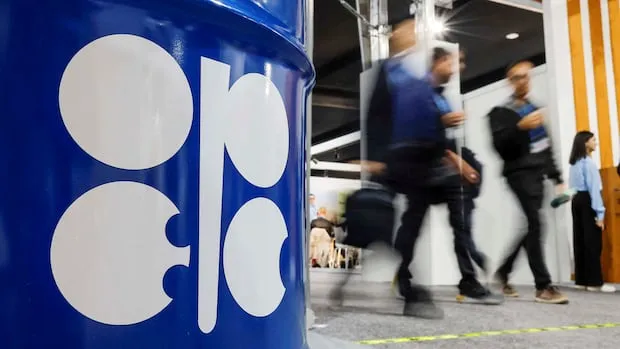
The United Arab Emirates announced its withdrawal from OPEC and OPEC+ effective May 1, 2026. This decision signals a major shift in the global oil landscape. The UAE aims to meet rising energy demand while focusing on national interests.
The UAE has been a member of OPEC since 1967. It accounted for about 12% of OPEC’s total output before its exit. The country holds significant spare production capacity—approximately 4.8 million barrels per day—and plans to increase this to 5 million barrels per day by 2027.
Relations between the UAE and Saudi Arabia have grown increasingly strained over political and economic issues. The UAE’s departure follows a trend of other countries leaving OPEC, including Qatar and Ecuador. This exit is seen as a significant blow to OPEC’s influence over the oil market.
Key facts about the UAE’s exit:
- The UAE aims to increase its production capacity to 5 million barrels per day by 2027.
- OPEC currently controls about 30% of global oil supply.
- The departure could trigger a price war among Gulf producers following the Iran war.
Suhail Mohamed al-Mazrouei stated, “This is a policy decision, it has been done after a careful look at current and future policies related to level of production.” Analysts suggest that the UAE’s exit may encourage other OPEC+ members to reconsider their output limitations.
The UAE’s capacity for production positions it uniquely within the Gulf Cooperation Council. The implications of this move extend beyond immediate market share concerns. The next steps for both OPEC and Gulf producers remain uncertain as they navigate this evolving energy landscape.
About The Author