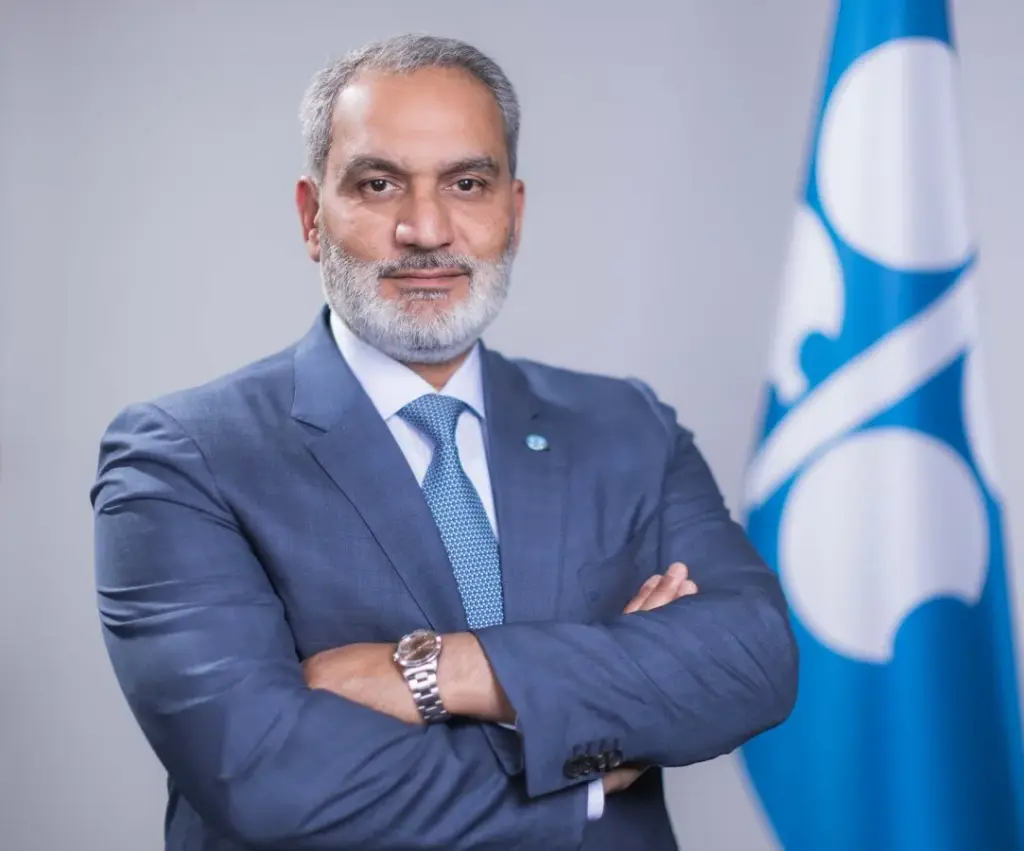
The United Arab Emirates announced it is leaving OPEC and OPEC+ as of May 1, 2026. The decision comes amid the ongoing Iran war, which has influenced regional energy dynamics. The UAE has been a member of OPEC since 1967.
The UAE’s exit reflects its long-term strategic and economic vision. The country aims to increase oil production beyond existing OPEC quotas. This move could significantly weaken OPEC’s control over global oil supplies.
Relations between the UAE and Saudi Arabia have grown increasingly frosty over political and economic matters. Notably, the UAE did not consult with Saudi Arabia regarding its decision to leave OPEC. This lack of communication underscores the divergence of strategic interests among OPEC members.
The UAE’s departure has been discussed behind closed doors for several years. Analysts suggest that the ongoing Iran war has intensified these discussions, as it impacts energy supply routes, particularly through the Strait of Hormuz.
Key facts:
- The UAE accounts for about 40 percent of OPEC’s oil output.
- OPEC controls roughly 40 percent of the world’s oil output.
- The UAE’s exit may pose an existential risk to OPEC’s sustainability over time.
UAE Energy Minister Suhail Mohamed al-Mazrouei stated, “This is a policy decision; it has been done after a careful look at current and future policies related to level of production.” Experts note that maximizing energy revenues is now more attractive for the UAE.
Landon Derentz remarked that the UAE’s decision marks a symbolic political blow to OPEC’s perceived influence. The implications of this shift will unfold as the region navigates its new energy landscape.
About The Author