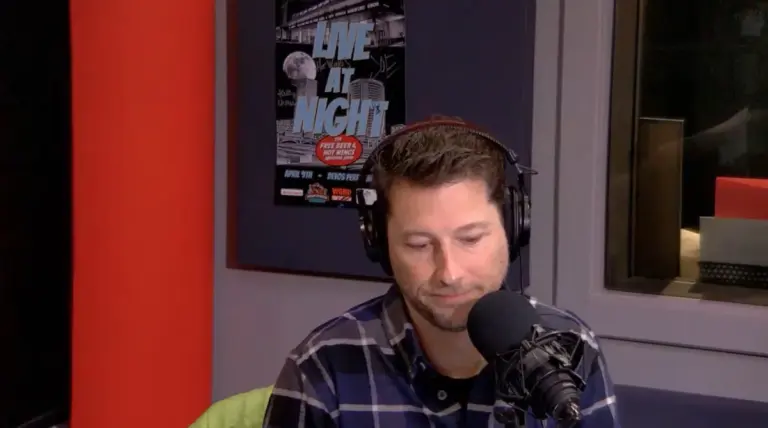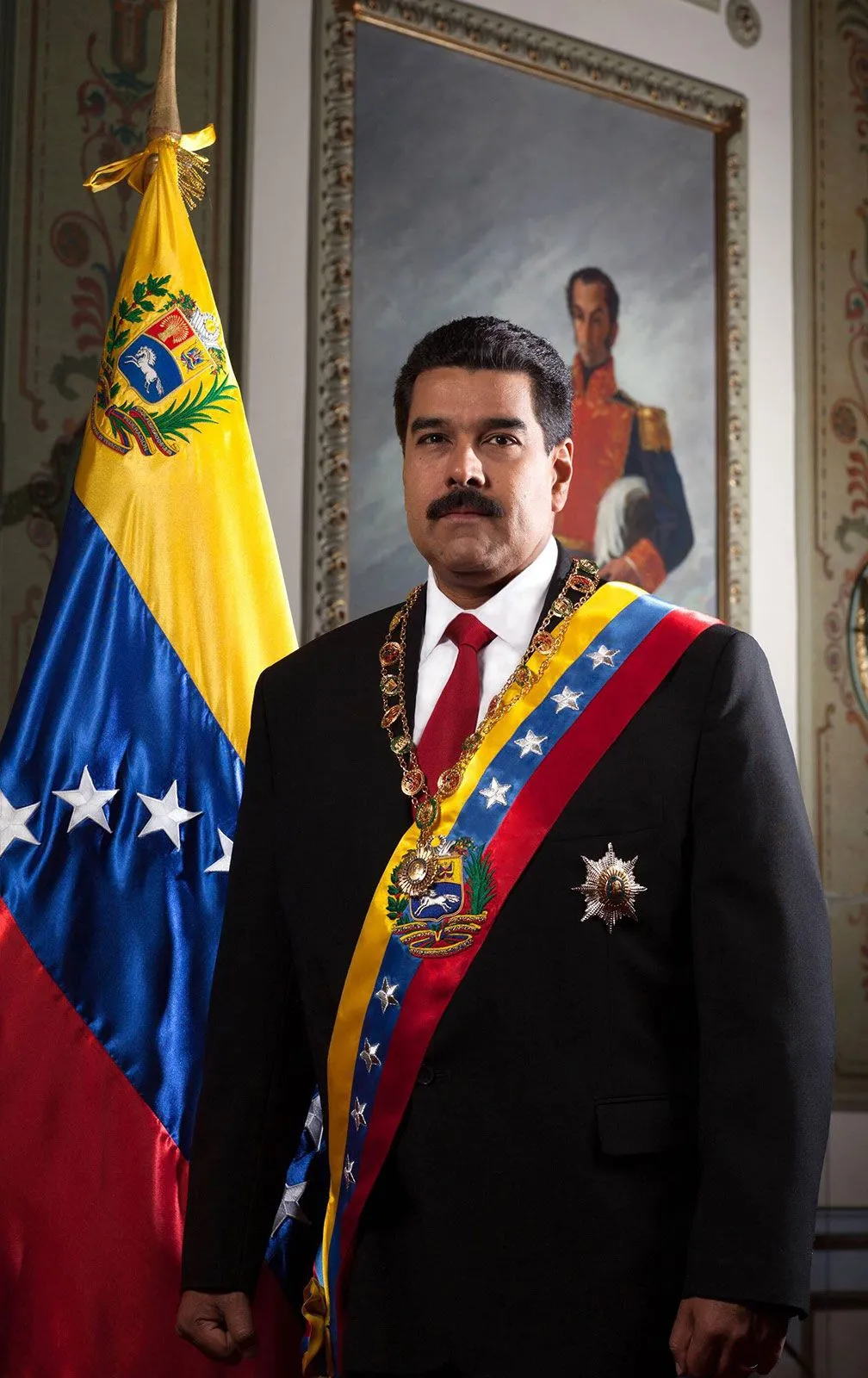
A U.S. soldier has been charged with insider trading after allegedly profiting from classified information regarding the capture of Venezuelan President Nicolás Maduro. Gannon Ken Van Dyke, a special forces officer, was indicted for making over $400,000 by betting on Maduro’s removal.
Van Dyke placed bets on Polymarket concerning whether Maduro would be out of office by January 31, 2026. He reportedly used classified information obtained during planning for the operation that began on December 8, 2025.
The Justice Department announced the indictment, which includes charges of wire fraud and commodities fraud. The maximum prison sentence for wire fraud is 20 years, while commodities fraud carries a maximum of 10 years.
Polymarket reported suspicious betting activity to the Department of Justice prior to the indictment. This case marks the first time the DOJ has prosecuted insider trading on a prediction market.
James C Barnacle Jr., a spokesperson for Van Dyke’s unit, stated, “Gannon Ken Van Dyke allegedly betrayed his fellow soldiers by utilizing classified information for his own financial gain.” This sentiment highlights concerns about trust within military ranks.
Yet, the Polymarket spokesperson emphasized that “insider trading has no place on Polymarket. Today’s arrest is proof the system works.” This incident raises questions about the integrity of prediction markets in relation to classified military operations.
The indictment outlines how Van Dyke chose personal profit over his duty to safeguard sensitive information. Rather than protect that information as required, he exploited it for financial gain.
Officials have not confirmed if Van Dyke has legal representation at this time. This uncertainty adds another layer to an already complex case involving U.S. military operations and Venezuelan politics.
As this story unfolds, it underscores the potential consequences of insider trading in sensitive contexts. The ramifications extend beyond Van Dyke himself and may impact perceptions of military ethics.
About The Author