How to keep your sugar intake balanced for better energy and long-term health ?
 12 minutes read
👁 149 views
Many people underestimate how much sugar sneaks into their daily meals. Even foods marketed as “healthy,” like flavored yogurts, granola bars, or breakfast cereals, can contain hidden sugar that spikes energy and then crashes it. Managing sugar wisely helps maintain stable energy, prevent long-term health issues, and gives a sense of control over diet. Understanding how much sugar is safe isn’t just about counting grams—it’s about making choices that release energy steadily throughout the day. For example, swapping a morning soda for sparkling water or a cup of herbal tea can reduce sugar intake dramatically while keeping hydration. Tracking habits and recognizing hidden sugar helps prevent unexpected spikes. Balancing occasional treats with nutrient-rich foods makes healthy eating both sustainable and enjoyable.
Recommended daily sugar intake and guidelines for adults in Canada
Canada’s food guidance focuses on limiting sugary drinks and highly processed foods, while Canadian labels show total sugars and % Daily Value. Gram-based targets below are practical reference points from public-health guidance, not a separate official Canadian added-sugar limit. This matters because many adults exceed recommended limits without realizing it. Awareness of daily sugar intake helps maintain weight, energy, and long-term health. Learning to read nutrition labels and using simple food tracking tools makes it easier to adhere to guidelines. For readers asking how much sugar should i eat in a day, the Canadian answer should focus on total sugars in grams, %DV on Nutrition Facts tables, and practical comparison points such as AHA added-sugar limits. Maintaining balance doesn’t mean eliminating sweets entirely; it’s about moderation and making smarter choices. For instance, choosing fresh fruit or plain yogurt over flavored options can satisfy a craving while controlling sugar.
Understanding how many grams of sugar a day experts suggest
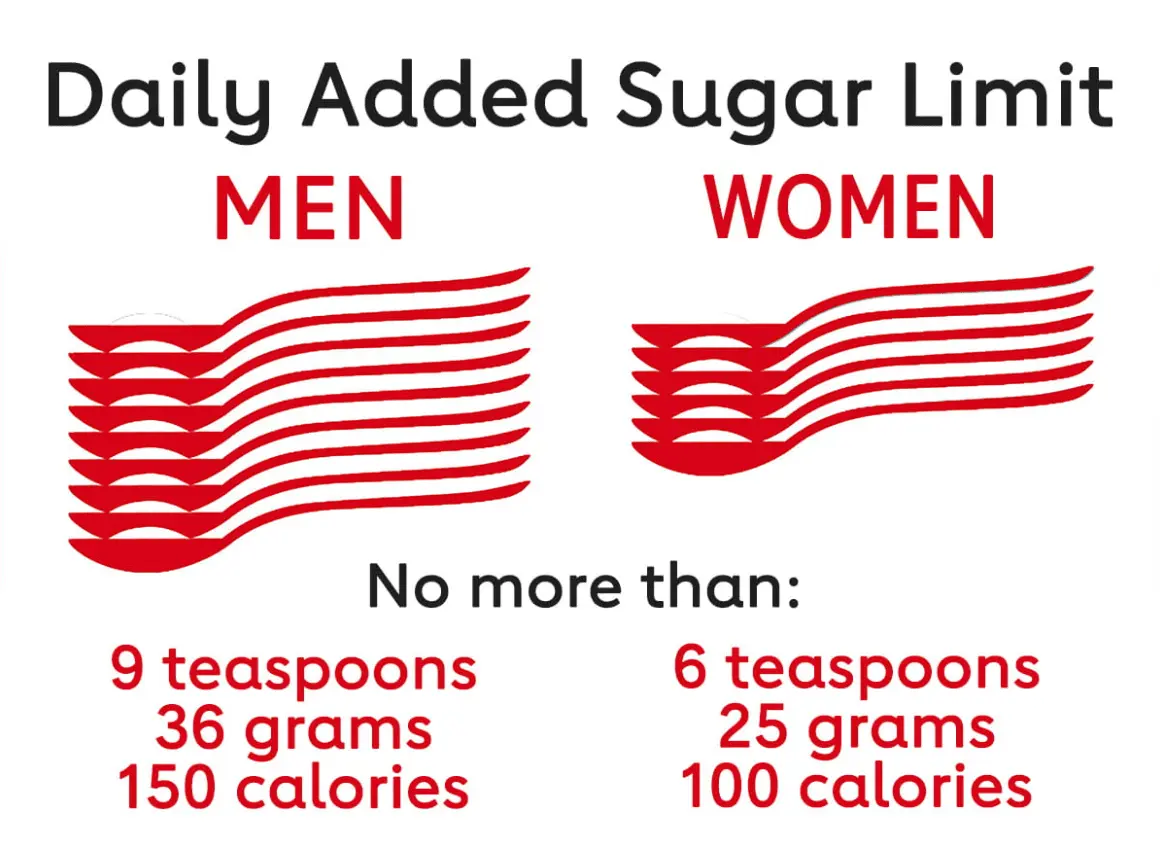
Nutritionists provide recommended ranges based on age, gender, and lifestyle. Adults are advised to keep sugar from added sources below certain thresholds to avoid spikes in blood glucose and metabolic stress. For example, an adult woman may safely consume about 25 grams of added sugar daily, while men might tolerate slightly more. Incorporating fruits, vegetables, and whole grains helps meet energy needs without exceeding limits. Balanced meals with snacks spaced through the day maintain stable sugar levels. Reading labels is essential because hidden sugar can lurk in sauces, drinks, and processed foods. Monitoring intake carefully helps maintain steady energy and focus throughout the day.
| Age Group | Practical free/added sugar reference | Notes |
| Adults 19–50 | 36g (men), 25g (women) | Focus on natural foods and avoid sugary drinks |
| Adults 51+ | 30g (men), 20g (women) | Adjust for lower caloric needs and activity |
| Teens 14–18 | 30–35g | Encourage fruits over soda and processed snacks |
| Children 6–13 | 25g | Include fruits and milk, limit sweets |
| Children 2–5 | 19g | Minimal candies and sweetened drinks |
How much sugar is too much and its health risks
Excess sugar affects both short-term energy and long-term health. Rapid energy spikes followed by crashes, irritability, and persistent cravings are common. Over time, high sugar intake increases the risk of insulin resistance, obesity, and cardiovascular disease. Even small changes, like cutting down on desserts or sugary drinks, can have a big impact. Recognizing how much sugar per day is safe provides a framework for moderation. Minor adjustments, such as swapping a candy bar for an apple, add up over weeks and months. Preventing overconsumption today reduces the likelihood of health complications tomorrow.
Daily sugar intake from added sugar and natural sources
Not all sugar is equal. Natural sugars, such as those in fruit and dairy, come with fiber and essential nutrients that slow absorption. Added sugar—found in sodas, candies, and baked goods—enters the bloodstream quickly and provides mostly empty calories. Understanding how many grams of sugar a day comes from each source is essential. Natural sugar provides steady energy, whereas added sugar can cause spikes and crashes. Simple swaps, like having an apple instead of a candy bar, balance enjoyment and health. Reading labels and checking ingredients helps distinguish between natural and added sugars. Incorporating this knowledge into meal planning encourages a sustainable and nutritious diet.
Identifying added sugar in common Canadian foods
Hidden sugar can be found in everyday foods, often in surprising places. Beverages, sauces, flavored coffees, and packaged snacks can contain more sugar than expected. Being mindful of these sources prevents overconsumption. Reading ingredient lists is like having a map through a sugar minefield. Awareness campaigns highlight common sources and encourage healthier swaps. For instance, homemade salad dressings instead of bottled versions reduce hidden sugar. Gradual reduction of high-sugar snacks also helps maintain daily sugar intake without feeling deprived.
- Sodas: Carbonated drinks can hit your bloodstream like a sugar wave.
- Candies: Concentrated sweets spike blood sugar quickly.
- Flavored coffee drinks: Often add sugar invisibly.
- Pre-made meals: Sauces and dressings frequently hide sugar.
- Bakery items: Pastries contribute refined sugar and should be eaten sparingly.
Awareness of these foods helps Canadians maintain a safe daily sugar intake. Being mindful of hidden sugars in drinks and packaged snacks allows people to make smarter choices throughout the day. Educating family members, especially children, about these sugar sources encourages healthier habits early on. Over time, paying attention to these details can significantly reduce the risk of energy crashes and long-term health issues.
How many grams of sugar per day come from natural foods
Fruits, vegetables, and dairy provide naturally occurring sugars. Knowing how many grams of sugar per day come from these sources helps distinguish beneficial sugar from added sugar. An apple contains roughly 19 grams of sugar but also provides fiber and nutrients. Integrating natural sugars supports energy needs while avoiding empty calories. Whole foods stabilize blood glucose, unlike processed foods high in refined sugar. Keeping this balance ensures total sugar intake stays within healthy ranges. Overreliance on processed foods can mask natural sugar and mislead dietary tracking.
What does sugar do to your body and how to reduce sugar intake
High added sugar affects metabolism, energy, and heart health. Understanding what sugar does to your body motivates changes. Excess sugar triggers insulin spikes, weight gain, and inflammation. Learning how to reduce sugar intake can include swapping sugary drinks for water or unsweetened beverages. Tracking sugar while balancing nutrient-dense foods supports overall well-being. Meal planning and mindful eating reduce reliance on processed sweets. Awareness of sugar’s impact empowers healthier decisions and maintains energy stability.
Physiological effects of excess sugar on energy and mood
Sugar overconsumption causes blood glucose to fluctuate, affecting energy and mood. Mood swings, irritability, and cravings are common responses. High sugar intake may impair cognitive function and disrupt sleep. Maintaining daily sugar intake within safe limits stabilizes energy throughout the day. Diets rich in fiber and protein help moderate sugar effects. Balanced sugar consumption supports hormonal and emotional stability. Recognizing early signs of excess intake encourages timely dietary adjustments.
Practical tips for reducing added sugar consumption
Small, realistic steps can significantly lower added sugar intake. Whole foods naturally limit sugar. Preparing meals at home gives more control over ingredients. Reading labels highlights hidden sugar. Awareness of daily limits enables smarter snack choices. Tracking intake using journals or apps encourages sustainable habits. Gradually reducing treats prevents cravings and supports long-term adherence.
- Sugary beverages: Replace sodas and sweet drinks with water or herbal teas.
- Fruits and yogurt: Choose fruit or unsweetened yogurt instead of candies or desserts.
- Processed snacks: Limit granola bars, cookies, and other packaged treats.
- Homemade sauces: Make sauces at home to control sugar content.
- Mindful eating: Savor small portions and avoid second helpings.
Gradual changes make lowering sugar manageable and sustainable. Setting realistic daily goals and celebrating small achievements helps maintain motivation over time. Combining these small adjustments with enjoyable, naturally sweet foods ensures that reducing sugar does not feel restrictive.
Comparing sugar limits for men, women, and children

Sugar recommendations differ by age and gender. Men generally tolerate slightly more sugar than women. Children and teens are particularly susceptible to added sugar. Monitoring how many grams of sugar a day each group consumes ensures safe intake. Awareness allows families to implement effective dietary strategies. Choosing whole foods with minimal processed sugar supports balance. Understanding individual needs helps prevent long-term health complications.
Daily sugar intake recommendations for adults
Adults’ sugar needs vary by sex and activity. Men may safely consume slightly more sugar than women. Tracking daily intake from all sources, especially added sugar, is important. Exceeding how much sugar is too much can lead to metabolic issues. Emphasizing whole foods and controlled portions supports adherence. Awareness of portion sizes helps maintain energy balance. Consistent monitoring supports long-term health. Including a variety of nutrient-rich foods alongside moderate sugar helps optimize energy throughout the day. Regularly reviewing meals and snacks ensures that intake stays within recommended limits without feeling restrictive.
Daily sugar intake recommendations for children and teens
Children are at risk of excessive sugar due to popular snacks and drinks. Understanding how much sugar per day is safe guides healthier choices. Balanced meals with natural sugars from fruit and dairy meet energy needs without exceeding limits. Limiting processed snacks supports weight control and metabolism. Teaching moderation and label reading fosters lifelong healthy habits. Parental involvement ensures sugar intake remains within safe limits. Encouraging children to try naturally sweet foods like berries or apples helps satisfy cravings in a healthier way. Creating fun, interactive ways to track sugar intake can make learning about nutrition engaging and effective.
Special considerations for pregnant or lactating women
Expectant and nursing mothers have unique nutritional requirements. Monitoring sugar intake protects maternal and fetal health. Excess added sugar may increase the risk of gestational diabetes and weight gain. Balanced meals with complex carbs, protein, and fiber support energy and nutrients. Being mindful of sugar stabilizes blood glucose. Substituting treats with nutrient-rich alternatives prevents extra calories. Educating mothers promotes long-term health for mom and child. Incorporating naturally sweet foods like fruit can satisfy cravings without excess sugar. Planning meals ahead ensures that energy needs are met safely throughout the day.
Tools and apps to track sugar consumption easily
Modern apps can simplify monitoring sugar intake. Barcode scanning, portion tracking, and meal analysis improve adherence. Notifications and reminders reinforce healthy habits. Social features encourage engagement, and regular use integrates tracking into daily meals. Combining technology with mindful eating allows better control over added sugar. Apps provide insights into patterns and guide adjustments. Awareness and proactive use helps maintain consistent daily sugar intake. Many apps also allow users to set personalized sugar limits and track progress over time. Using these tools regularly can make maintaining healthy habits feel easier and more rewarding.
Reading labels and understanding nutrition facts
Interpreting nutrition information is essential. In Canada, Nutrition Facts tables list total sugars in grams and %DV. The ingredient list can help identify added sweeteners, but the label does not always separate naturally occurring and added sugars the way some other countries do. Understanding these details supports adherence to daily sugar recommendations. Serving sizes should be considered to avoid overconsumption. Recognizing names like sucrose, fructose, or corn syrup helps identify hidden sugar. Consumers can make informed choices when selecting packaged foods. Awareness ensures daily sugar intake remains within safe limits. Taking a moment to compare similar products can reveal surprisingly different sugar content. Over time, these small insights help people make consistent choices that protect energy levels and overall health.
Benefits and drawbacks of maintaining recommended daily sugar intake

Maintaining appropriate sugar intake improves energy, mood, and metabolism. Excess added sugar has well-documented negative effects. Following recommended sugar supports cardiovascular health, weight control, and cognitive performance. Adhering to limits encourages sustainable eating habits. Consistently monitoring sugar helps people make smarter choices about snacks and beverages. Paying attention to hidden sugars in sauces, drinks, and processed foods prevents accidental overconsumption. Over time, these small adjustments contribute to lasting health benefits and more stable energy levels.
| Pros | Cons |
| May help reduce the risk of health issues linked to excessive added sugar intake, including weight gain, type 2 diabetes, and heart disease. | Tracking added sugar intake may require reading nutrition labels and planning meals more carefully. |
| May help reduce the risk of health issues linked to excessive added sugar intake, including weight gain, type 2 diabetes, and heart disease. | Tracking added sugar intake may require reading nutrition labels and planning meals more carefully. |
| May help reduce the risk of health issues linked to excessive added sugar intake, including weight gain, type 2 diabetes, and heart disease. | Tracking added sugar intake may require reading nutrition labels and planning meals more carefully. |
| May help reduce the risk of health issues linked to excessive added sugar intake, including weight gain, type 2 diabetes, and heart disease. | Tracking added sugar intake may require reading nutrition labels and planning meals more carefully. |
FAQ about how much sugar per day and healthy consumption
What is a safe amount of sugar for adults and children?
The safe amount of sugar depends on age and activity. Adults generally tolerate more sugar than children, but moderation is essential. Balanced eating helps prevent health problems associated with excess sugar.
Can natural sugars be consumed without health risks?
Yes, natural sugars in fruit, vegetables, and dairy are generally safe. They provide fiber, vitamins, and minerals. Including them supports overall health without the negatives of added sugar.
What are the signs of consuming too much sugar?
Too much sugar can cause fatigue, mood swings, and cravings. Over time, it may contribute to weight gain and dental issues. Early recognition helps adjust eating habits before problems arise.
How does added sugar differ from natural sugar in foods?
Added sugar provides calories without nutrients and is found in processed foods. Natural sugar comes with fiber and essential nutrients. Understanding the difference helps manage total sugar intake effectively.
About the Author