Average height for men Canada: what national data can show
 9 minutes read
👁 300 views
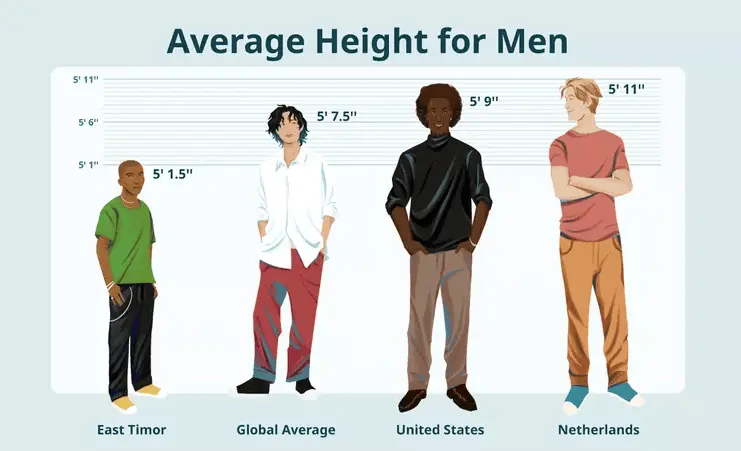
The average height for adult men in Canada is about 177.7 cm, or roughly 5 ft 10 in, for men aged 20 to 39 in measured Statistics Canada data, while older groups average about 174.7 cm for ages 40 to 59 and 172.6 cm for ages 60 to 79. These figures come from the Canadian Health Measures Survey, which used measured standing height rather than self-reported estimates. Understanding the average height for men helps readers compare population data without treating one number as a personal standard. The phrase average height for men in Canada should be read as a statistical guide, because height is shaped by genetics, nutrition, childhood health and wider social conditions.
The phrase average height for men Canada points to national-level information rather than casual guesses from everyday life. Data can show the typical measured height for adult men, but it also depends on who was measured and how the sample was grouped. Statistics Canada reports measured standing height for males by age group, which makes the comparison more useful than one loose online estimate. A national average is helpful because it gives readers a broad reference point, but it does not explain every regional, family, or health difference. The best reading treats the average as context, not as a personal benchmark.
What measured height data includes for adult men
Measured height data is stronger than self-reported height because trained collection methods reduce rounding and memory errors. When readers compare the average height of men in Canada, they should check whether the figure comes from measured standing height. A proper data table usually separates age group, sex, unit of measurement, and sample basis. This helps readers understand whether they are looking at adult men overall or a narrower group. It also prevents confusion between population averages and individual variation.
Average height by age group for Canadian men
Age grouping matters because the average can shift when younger and older adults are mixed together. Statistics Canada’s measured standing height data shows clear differences by age group for males, especially between younger adults and older groups. The average height for men is highest in the 20 to 39 group in this measured table, while older groups show lower averages. This can reflect natural height loss with age, posture changes, and different childhood conditions across generations. The table below gives readers the by-age structure promised in the article title.
| Age group | Average height | Notes |
| 12 to 19 | 170.6 cm / about 5 ft 7 in | Includes teenagers, so some may still be growing. |
| 20 to 39 | 177.7 cm / about 5 ft 10 in | Best short reference for young adult male height. |
| 40 to 59 | 174.7 cm / about 5 ft 9 in | Lower than younger adults in the measured data. |
| 60 to 79 | 172.6 cm / about 5 ft 8 in | Age-related height loss and cohort effects may matter. |
| 6 to 79 | 171.8 cm / about 5 ft 8 in | Includes children, so it should not be used as an adult-only average. |
How sample age changes male height averages in reports
Age range is one of the main reasons height figures differ between sources. A report about men’s average height may show a different figure if it focuses on younger adults, all adults, or older men. Older groups can reflect natural height loss, posture changes, or different early-life conditions. Younger adult groups may reflect different nutrition and growth environments. This is why the same country can appear with slightly different height numbers in different summaries:
- Age range: Check which adult groups are included, because averages can shift when younger and older men are combined in one sample.
- Measured sample: Confirm whether height was measured directly, since recorded standing height is usually more reliable than self-reported figures.
- Sex category: Make sure the comparison uses the same population group, so male averages are not mixed with broader adult data.
- Unit conversion: Note whether centimetres were converted and rounded, because small changes can look different in feet and inches.
- Interpretation: Read the number as a population average, not a personal target or a measure of individual health.
This process keeps comparisons fair. It also explains why two reports can both be reasonable while showing slightly different averages.
Average male height in Canada compared with daily perceptions
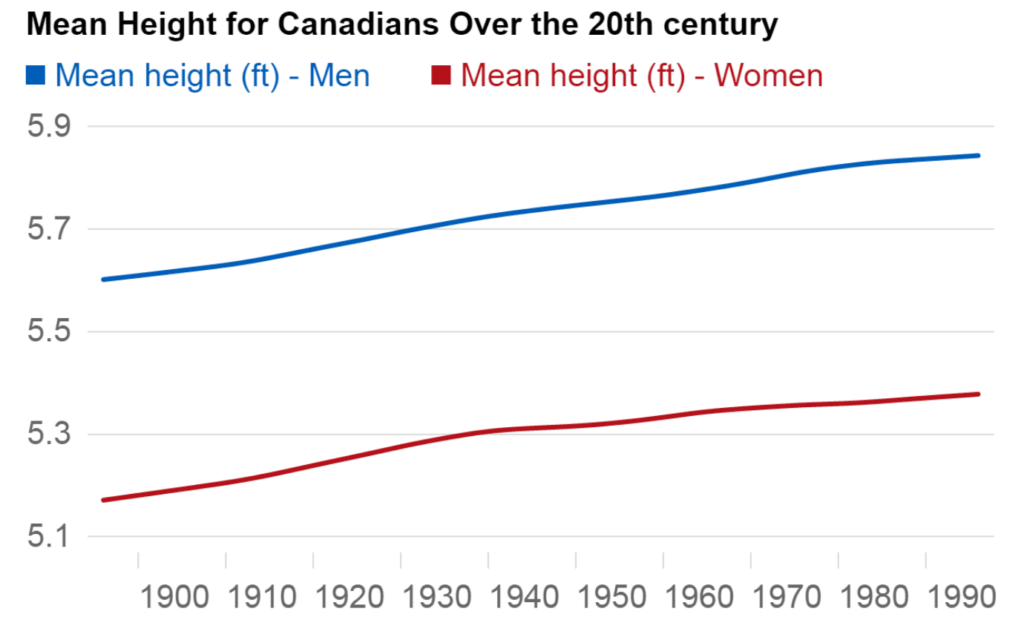
Everyday perception can differ from measured data because people judge height in shoes, social settings, and small personal circles. The average male height in Canada may feel taller or shorter depending on where someone lives, works, or spends time. Gyms, sports teams, workplaces, and schools can all create distorted impressions. Online discussions may also exaggerate what is normal. A national data source helps bring those impressions back to a broader population view.
What is the average height of a man in Canada
The average height of a man in Canada depends on age group, but a clear short answer is about 177.7 cm, or roughly 5 ft 10 in, for men aged 20 to 39 in measured Statistics Canada data. For ages 40 to 59, the measured average is about 174.7 cm, and for ages 60 to 79 it is about 172.6 cm. Readers often want one number, but the by-age breakdown gives a more accurate answer. The exact figure can vary when reports use different age ranges or collection methods. That is why the source and measurement method matter as much as the headline number.
Why self reported height can distort public perception
Self-reported height often differs from measured height because people round, estimate, or remember an older number. A person asking what is the average male height in Canada may see casual answers online that do not match measured survey data. Shoes, posture, and social comparison can also change perception. This makes self-report useful for conversation but weaker for factual comparison.
- Rounding up: People may report the nearest taller number, especially when height is discussed casually rather than measured directly.
- Shoes: Footwear can add visible height in everyday settings, which may affect how people estimate someone’s real standing height.
- Posture: Standing position, shoulder angle, and spinal alignment can change how tall someone appears in person.
- Age mix: Older and younger groups should not always be combined, because age can influence measured height and population averages.
- Online claims: Repeated figures may lack measurement context, so they should not be treated the same as properly collected data.
These signals do not mean people are always dishonest. They simply show why measured data should lead the article.
Average Canadian male height across provinces, ages and backgrounds
Canada includes many regions, backgrounds, lifestyles, and age groups, so one number cannot describe every man equally. Provincial differences may appear in samples, but small differences should not be exaggerated without strong data. The phrase average Canadian male height works best when it is treated as a country-level summary. The more useful angle is how data is grouped and presented. Readers benefit most when the article explains how to compare figures without turning them into stereotypes.
How centimeters and feet help readers understand results
Canadian readers may see height in centimetres. Everyday conversation often uses feet and inches. A guide to average height for men should make both formats understandable without overloading the page. Centimetres are precise for data tables, while feet and inches feel familiar in casual reading. Rounding should be handled carefully because small changes can look larger after conversion. A good explanation shows both formats as tools, not competing answers.
How tall is the average Canadian man in context
A national average sits in the middle of a wide range of normal adult heights. The question how tall is the average Canadian man is useful because it asks for context, not just a number. Some men are much shorter, some are much taller, and both can be completely ordinary. Height distribution matters because averages hide the spread around the middle. Context helps readers avoid treating one figure as a strict standard.
Average height of men in Canada and health context
Height can relate to population health history, childhood nutrition, genetics, and long-term living conditions. Still, the average height of men in Canada should not be used to judge the health of one person. A shorter or taller man is not automatically healthier or less healthy because of height alone. Health depends on many indicators that are separate from stature. This section keeps the topic informational rather than diagnostic.
Why height alone does not define health status
It becomes misleading when readers use height alone to judge strength, attractiveness, fitness, or medical status. Adult height is influenced by inherited traits and early-life conditions, many of which are outside personal control. A discussion of average height for men can be useful for demographics, clothing sizes, ergonomics, and public health context. A population average can help describe groups, but it cannot evaluate one person. The safest interpretation is statistical, not personal.
| Pros | Cons |
| Average height gives readers a simple reference point for comparing population-level data across adult male groups. | Height alone cannot describe health, fitness, nutrition, strength, or long-term wellbeing for an individual person. |
| Measured height data can help explain demographic patterns without relying on casual guesses or online anecdotes. | A single national average can hide age-group differences, family variation, and the wide normal range of adult heights. |
| Comparing height by age group can make reports easier to understand and reduce confusion between samples. | |
| Clear explanations help readers separate statistical context from personal judgement about body size. |
How genetics and nutrition shape adult height outcomes

Adult height develops through a mix of inherited potential and environmental conditions during growth. A discussion of male height should mention genetics, childhood nutrition, illness, sleep, and general living conditions without reducing everything to one cause. Family background often plays a major role, but environment affects whether growth potential is fully reached. Public averages can shift over generations when nutrition and health conditions improve. Still, individual height remains varied, and that variation is normal.
FAQ about average height for men
Why do height figures differ between reports?
Height figures can differ because reports may use different age groups, samples, and measurement methods. Some data is measured directly, while other figures come from self-reported answers. Small differences are normal when the source or method changes.
Is measured height more reliable than self-reported height?
Measured height is usually more reliable because it is recorded directly rather than estimated by the person. Self-reported answers may include rounding, shoes, or outdated memory. For population comparisons, measured data gives a cleaner reference point.
Does age affect national height data?
Age can affect the result because younger and older adult groups may not measure the same. Posture changes and natural height loss can influence older groups. That is why age range should always be checked before comparing numbers.
Can one national figure describe every person?
One national figure can only describe a broad population pattern. It cannot explain family background, genetics, nutrition, or individual variation. Averages are useful for context, but they should not be treated as personal standards.
About the Author