Changing Expectations for Sherlock Holmes
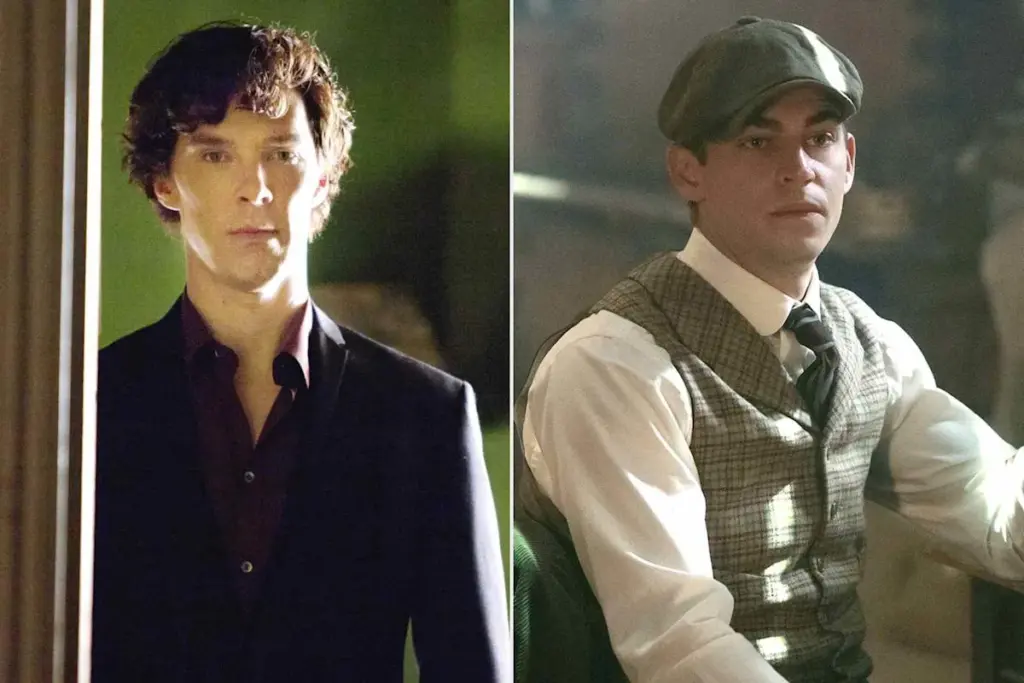
The character of Sherlock Holmes has been a staple of literature and film, portrayed by over 75 actors, making him the most portrayed literary character in history. Traditionally, audiences have expected a certain depth and complexity in adaptations of Arthur Conan Doyle’s iconic detective. The anticipation surrounding the new series, Young Sherlock, was high, particularly with the involvement of notable actors and a fresh narrative angle that promised to explore Sherlock’s teenage years.
A Decisive Shift in Direction
However, the premiere of Young Sherlock on March 4, 2026, marked a significant departure from these expectations. The series, directed by Guy Ritchie, features Hero Fiennes Tiffin in the titular role, portraying a 19-year-old Sherlock in the 1870s. Alongside him, Dónal Finn takes on the role of James Moriarty, while Max Irons plays Mycroft Holmes. The show consists of eight episodes, yet critics have noted that it lacks the core detective elements that define the Sherlock Holmes narrative.
Immediate Reactions and Critiques
Upon its release, Young Sherlock received mixed reviews, with some critics expressing disappointment over its narrative choices. The series features a murder mystery involving a Chinese princess and an academic conspiracy, but many have criticized its execution, citing multiple weakly written subplots. Laura Miller, a critic, remarked, “What makes a Sherlock Holmes story? Much as some fans insist upon the late-Victorian setting, to me the core elements are Holmes’ emotional detachment and deductive wizardry. You won’t find any of that in Young Sherlock.” This sentiment reflects a broader concern regarding the series’ fidelity to the essence of the original character.
Impact on the Cast and Characters
The cast, including actors such as Andrew Scott, Sharon Duncan-Brewster, and Scott Reid, has expressed enthusiasm for their roles. Dónal Finn shared his experience, stating, “I was really moved by these two men who were in one of the most masculine atmospheres, the Wild West, and they’re not saying exactly what they feel, but they’re willing to die for the other person.” Meanwhile, Max Irons described working on the project as being like “a kid in a candy shop,” highlighting the excitement surrounding the production despite the critical backlash.
Expert Perspectives on the Shift
Experts have pointed out that the series treats detection more like an adventure, akin to an Indiana Jones film, rather than focusing on the intellectual rigor typically associated with Sherlock Holmes. This shift has led to a broader discussion about the direction of adaptations in contemporary media, where traditional narratives are often reimagined to fit modern sensibilities. Critics argue that while innovation is essential, it should not come at the cost of the character’s foundational traits.
Looking Ahead
As the series continues to unfold, the young Sherlock cast and crew will likely face ongoing scrutiny regarding their interpretation of this beloved character. While the initial reception has been mixed, the potential for character development and plot evolution remains. Fans and critics alike will be watching closely to see if the series can find its footing and resonate with audiences in a meaningful way.
In summary, Young Sherlock presents a new take on the iconic detective, but it also raises questions about the balance between innovation and tradition in storytelling. As the series progresses, details remain unconfirmed about its long-term impact on the legacy of Sherlock Holmes.