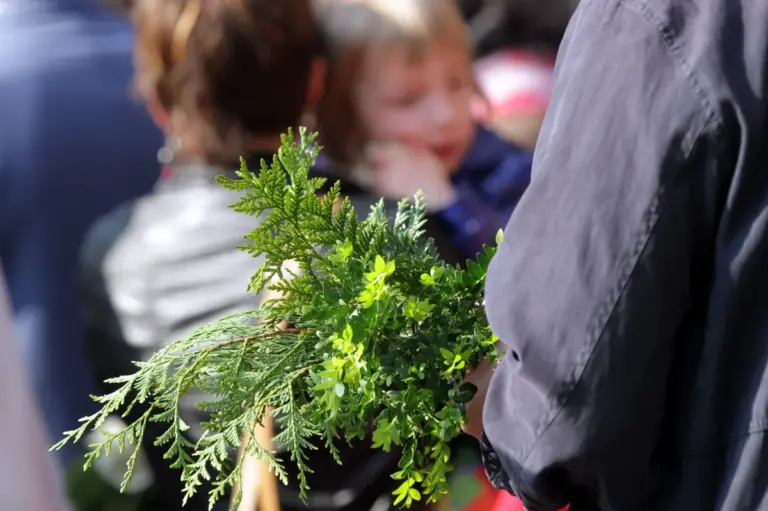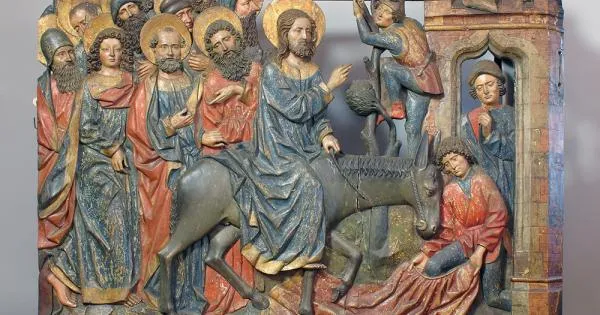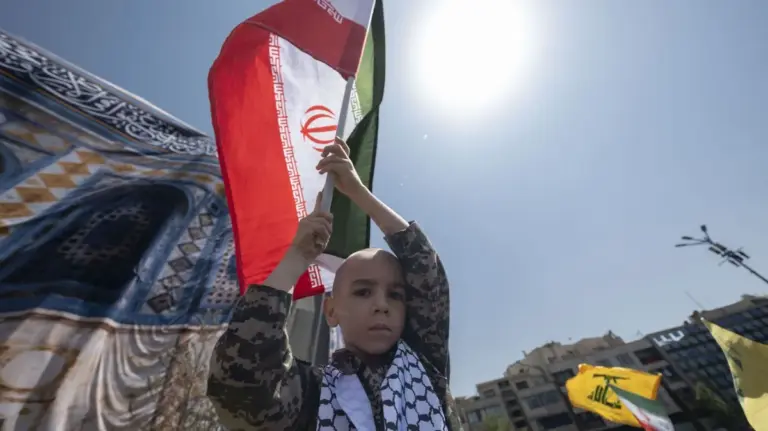
Palm Sunday commemorates Jesus’ triumphal entry into Jerusalem and marks the beginning of Holy Week leading up to Easter. In Lebanon, Christians celebrated this significant day despite the ongoing conflict between Israel and Hezbollah, which has impacted religious observances in the region.
On March 29, 2026, Christians in Lebanon gathered to observe Palm Sunday, with individuals like Roseth Katra expressing their determination to celebrate, stating, “Today is Palm Sunday, and we are celebrating.” This sentiment reflects the resilience of the community amid challenging circumstances.
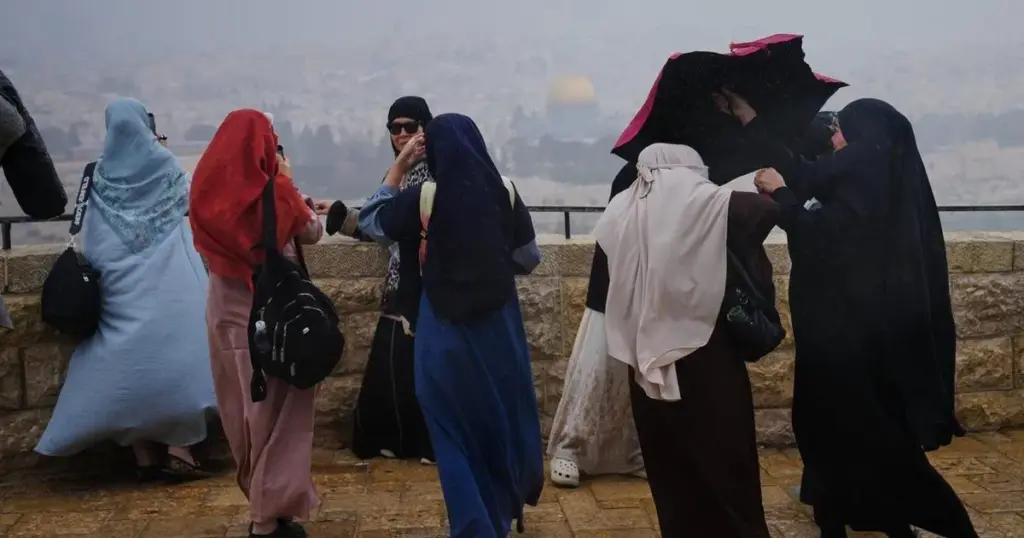
However, the celebrations were overshadowed by significant developments in Jerusalem, where Israeli police prevented Catholic leaders from celebrating Palm Sunday Mass at the Church of the Holy Sepulchre. This marked the first time in centuries that church leaders were barred from this important religious ceremony.
Israeli authorities cited safety concerns as the reason for closing holy sites during Palm Sunday. The decision drew widespread condemnation, including from the Catholic Church, which described the actions of Israeli police as unreasonable and disproportionate.
International leaders also reacted strongly to the incident. The US Ambassador to Israel and the Italian Prime Minister were among those who expressed their disapproval, emphasizing the importance of Jerusalem as a spiritual center for billions of people worldwide.
Mike Huckabee, a prominent political figure, remarked, “For the Patriarch to be barred from entry to the Church on Palm Sunday for a private ceremony is difficult to understand or justify.” This incident has raised concerns about the treatment of religious practices in the region.
As the situation develops, observers are closely monitoring the implications of these events on religious freedoms and community relations in Lebanon and Israel. The ongoing conflict continues to affect the celebrations of significant religious events, highlighting the challenges faced by communities in the region.
Despite the tensions, individuals like Mahia Jamus remind us of the precarious nature of safety in the area, stating, “There’s no bombing right here, right now, but no one is safe from this, not the Christians, not anyone.” This underscores the broader context of insecurity that influences religious observance.
As Palm Sunday concludes, the focus remains on how these events will shape future religious celebrations and the ongoing dialogue surrounding peace and coexistence in the region.