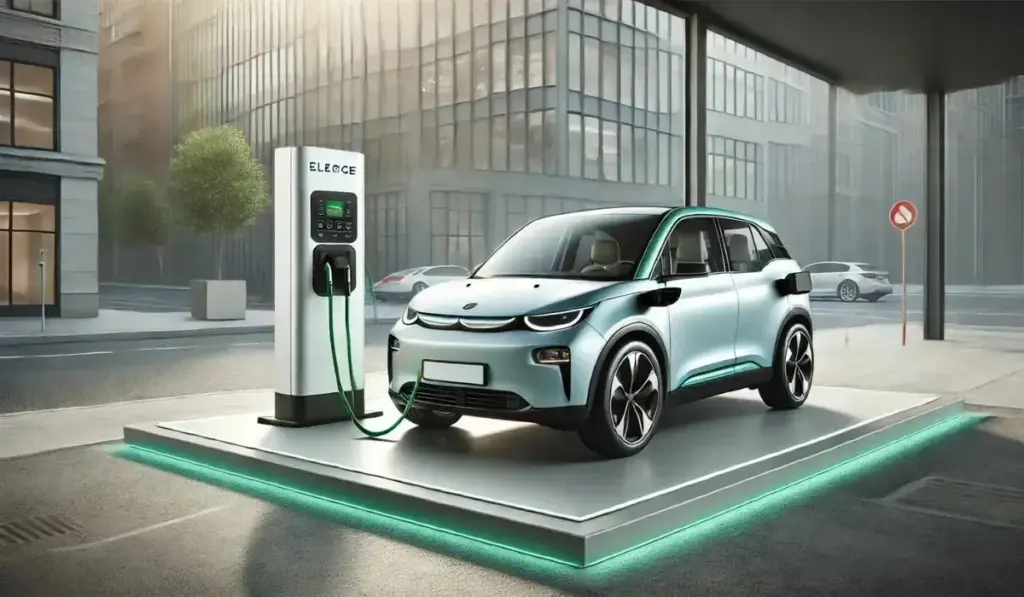
The electric vehicle (EV) market is experiencing significant growth in Canada, with the Kia EV4 recognized as the most affordable electric car in the country as of 2026. This development is crucial as it aligns with the broader push for sustainable transportation and aims to make electric vehicles accessible to a wider range of consumers.
Several factors contribute to this shift in the automotive landscape. The French government, for instance, has implemented substantial public aid programs to encourage the purchase of electric vehicles. In 2024, 83% of new electric cars purchased by households benefited from public aid totaling 1.25 billion euros. As part of its ongoing commitment, the French government is offering up to 5,700 euros in aid for low-income households purchasing electric vehicles in 2026.
In addition to affordability, the performance of electric vehicles is also improving. The BMW i4 eDrive40 boasts an impressive autonomy of up to 536 kilometers, while the BMW i4 M60 xDrive delivers a powerful 593 horsepower with a temporary boost activated. The IONIQ 6, although not having a 2026 model available in Canada, offers a rear-wheel drive configuration with a range of 550 kilometers, showcasing the advancements in EV technology.
The Tesla Model 3 continues to be a popular choice, with an autonomy of up to 550 kilometers and improved assembly quality since its 2024 update. These advancements in range and performance are critical as they address consumer concerns regarding the practicality of electric vehicles.
The market dynamics are also influenced by the expansion of charging infrastructure. BYD, a prominent manufacturer in the electric vehicle sector, plans to install 3,000 ‘FLASH Charging’ stations across Europe in 2026. This initiative is expected to enhance the convenience of owning an electric vehicle, making it a more viable option for potential buyers.
As of early 2026, electric vehicles accounted for 27.5% of the French car market, reflecting a growing acceptance and demand for this mode of transportation. The French government has set an ambitious target to sell one million electric vehicles by 2030, indicating a strong commitment to transitioning towards sustainable mobility.
Despite these positive trends, challenges remain. The transition to electric vehicles could slow down without continued government support, as highlighted by experts who note that access to electric vehicles remains limited for many households. The government maintains significant support for the purchase of 100% electric cars, emphasizing the need for this assistance to ensure a smooth transition to greener alternatives.
As the electric vehicle market continues to evolve, uncertainties persist regarding the long-term sustainability of these initiatives and their impact on consumer behavior. Details remain unconfirmed regarding future developments in government policies and market responses, but the current trajectory suggests a promising future for electric vehicles in Canada and beyond.