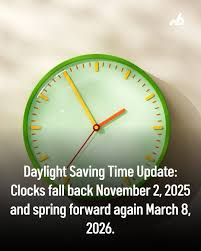
The Importance of Time Change
As Canada moves toward the year 2025, the concept of time change takes on renewed significance. Annual daylight saving time (DST) shifts have long been a staple of Canadian life, but discussions surrounding the necessity and impact of these changes have become increasingly prevalent. Understanding the rationale behind time changes, particularly the upcoming shifts in 2025, is vital for Canadians as it affects various aspects of daily life, including health, productivity, and economic activities.
Scheduled Changes in 2025
In 2025, Canada will follow the tradition of adjusting clocks forward one hour on the second Sunday in March and reverting one hour back on the first Sunday in November. However, as global discussions evolve about the relevance and efficiency of daylight saving time, some provinces are considering abandoning the practice altogether. A notable example is British Columbia, which has shown interest in remaining on daylight saving time permanently, pending agreement with neighboring jurisdictions.
Health and Productivity Implications
Various studies have suggested that the biannual clock changes can disrupt sleep patterns, potentially leading to health issues such as increased stress, fatigue, and even a rise in heart-related conditions. Reports from healthcare organizations indicate a surge in emergency room visits in the days following time changes. Therefore, understanding the potential ramifications for health and well-being as we approach 2025 is critical.
Economic Considerations
From an economic perspective, the time change can also have a profound impact on businesses, particularly those reliant on consumer behavior. Some studies have indicated that longer daylight hours positively correlate with increased retail sales, prompting some organizations to lobby for the continuation of the practice. Conversely, there are concerns that changing time zones can lead to confusion and erratic scheduling, negatively affecting industries such as transportation and logistics.
Conclusion and Future Outlook
As Canada gears up for the time changes in 2025, citizens are advised to stay informed and participate in discussions regarding daylight saving time. With an increasing momentum toward potential reforming or abolishing time change practices in various provinces, the decisions made will not only influence individual lifestyles but could also lead to significant shifts in public policy. As discussions continue to unfold, the outcome could set a precedent for future generations in how society interacts with time itself.