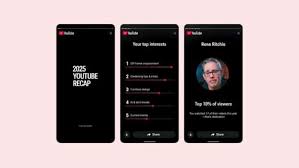
Introduction to YouTube Recaps
YouTube recaps have gained immense popularity in recent years, serving as a quick and informative way for viewers to catch up on their favorite shows and events. With an increasing audience gravitating towards video content, these recaps serve not only as a time-saving tool but also as a highlight reel for those who may have missed the original broadcasts or simply want to refresh their memory. As the demand for concise yet engaging content continues to rise, understanding the factors contributing to the success of YouTube recaps becomes crucial for content creators and audiences alike.
Growth and Popularity
According to a report by eMarketer, video content consumption is projected to continue growing, with users spending a significant portion of their media time watching online videos. YouTube, being one of the most prominent platforms, has seen an influx of content tailored toward recapping popular television shows, movies, and even real-life events. Channels like Screen Rant and WatchMojo have successfully established themselves in this niche, drawing millions of views with their engaging summary formats.
Many viewers turn to these recaps to stay informed about plot developments without needing to invest the time needed for full episodes. As a result, recaps often include key moments, character arcs, and essential story progressions, enabling consumers to stay current with minimal effort. This trend has not only catered to casual viewers who may lack time but also addressed a demographic eager for refresher content as they dive into new seasons or related media.
Cultural Impact and Future Prospects
As the culture of binge-watching and shared experience in the digital age expands, YouTube recaps are poised for even greater relevance. The desire for community engagement around popular media often leads viewers to discuss recap content in forums such as Reddit or social media platforms. This sharing and discussion help perpetuate the cycle of viewership and engagement, creating a community around these recap videos.
Moreover, as content creators continue to innovate and personalize their recap styles—incorporating humor, detailed analyses, or viewer engagement through comments and live streams—we can expect the quality of these recaps to improve. This evolution might lead to more formal partnerships with networks as they recognize the potential for marketing and visibility through recap channels.
Conclusion
In summary, YouTube recaps represent a significant aspect of modern media consumption. They provide an efficient means of engaging with content that might otherwise be overlooked. With the continuing growth of video consumption and the increasing demand for brevity and efficiency, YouTube recaps stand to not only remain relevant but also thrive as a prominent fixture in the digital landscape.