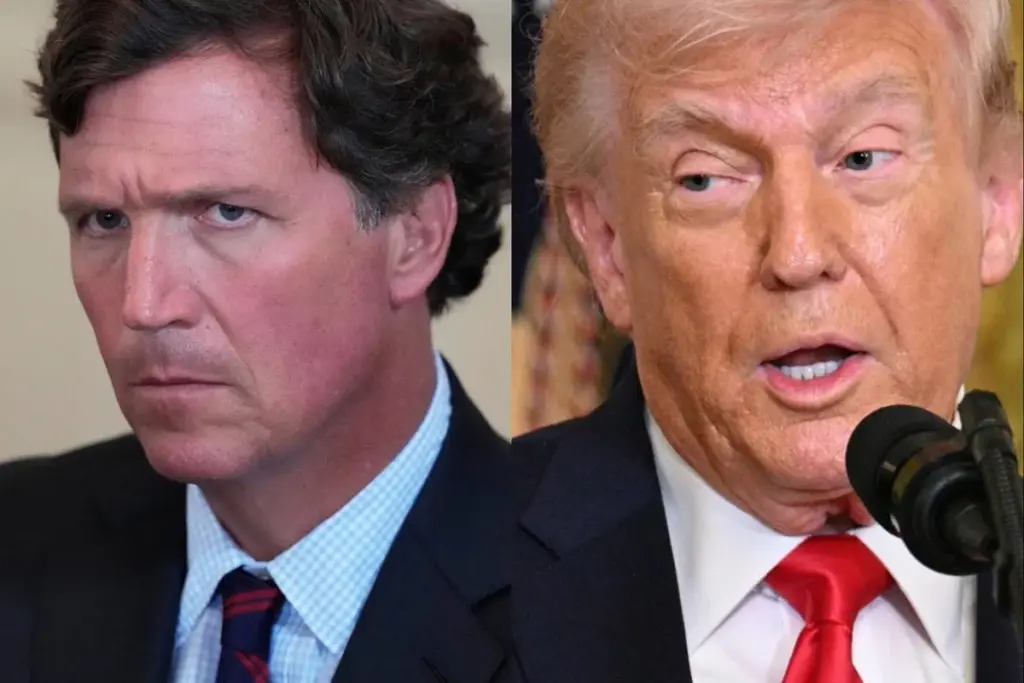
Who is involved
Before the recent developments, Tucker Carlson was a prominent figure in media, known for his outspoken views and significant influence, particularly among conservative audiences. He had hosted various shows, including “Tucker Carlson Tonight,” and was recognized for his critical stance on numerous political issues. His net worth was estimated to be between $30 million and $50 million, with some sources suggesting it could be as high as $420 million, reflecting his success in the media industry.
However, the landscape shifted dramatically when Carlson claimed that the CIA was preparing a criminal referral against him to the Department of Justice. This referral allegedly stems from his communications with Iranian officials prior to U.S.-Israeli military actions. Carlson suggested that the potential charges could relate to the Foreign Agents Registration Act (FARA), which mandates disclosure of actions taken by individuals on behalf of foreign organizations in the U.S.
As of early 2026, Carlson had not been arrested, and no charges had been filed against him. He expressed confidence regarding his legal standing, stating, “I can talk to anybody. I have no secrets to divulge. So, legally, I think the case is ludicrous, and I doubt it’ll even become a case.” This assertion reflects his belief that he is not acting as an agent of a foreign power, despite the serious implications of the allegations.
The situation escalated further when Carlson criticized President Donald Trump over the military campaign against Iran. Trump responded publicly, stating, “Tucker has lost his way. I knew that a long time ago, and he’s not MAGA. MAGA is saving our country. MAGA is making our country great again.” This exchange highlights a significant rift between Carlson and Trump, who have previously shared a close relationship.
Experts have weighed in on the implications of Carlson’s claims, noting that they have sparked controversy and extensive media coverage regarding government surveillance and media freedom. The potential legal ramifications of the CIA’s actions could set a precedent for how journalists interact with foreign officials, raising questions about the boundaries of press freedom and national security.
Additionally, Carlson’s previous opposition to military actions against Iran in meetings with Trump adds another layer of complexity to the narrative. His stance has been consistent, as he has expressed his concerns about the implications of such military campaigns during Oval Office discussions.
As the situation continues to unfold, details remain unconfirmed. The intersection of media, politics, and legal challenges in Carlson’s case serves as a focal point for discussions about the role of journalists in international affairs and the potential consequences they may face for their reporting.