In recent months, Cuba has faced a severe energy crisis, marked by a nationwide blackout that has left the island struggling to maintain essential services. This crisis has been exacerbated by U.S. policies under the Trump administration, which has blocked Venezuelan oil shipments to Cuba. As a result, Cuba has not received oil shipments for over three months, leading to a complete disconnection of its electrical system.
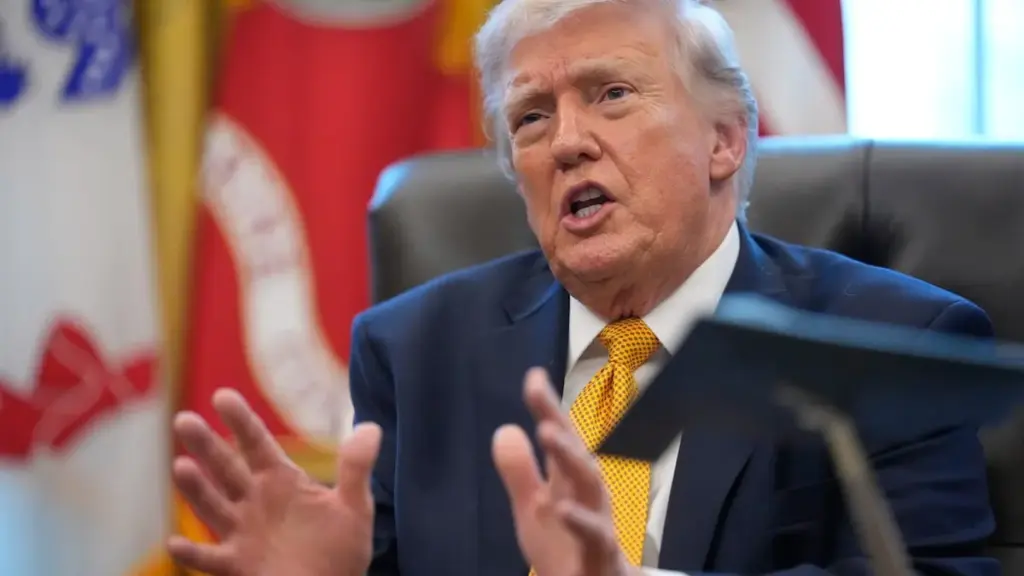
On the political front, former President Donald Trump has made headlines with his comments regarding Cuba. He referred to the country as a “failed nation” despite its “nice landscape,” and expressed his belief that he would have the “honor” of taking Cuba in some form. Trump stated, “Taking Cuba in some form, yeah. Taking Cuba, I mean, whether I free it, take it, think I can do anything I want with it.” These remarks have raised eyebrows and sparked discussions about U.S. intentions toward the island.
As the energy crisis deepens, Cuban President Miguel Diaz-Canel has indicated that the country is now reliant on alternative energy sources, including solar power, natural gas, and thermoelectric plants. The Cuban Ministry for Energy and Mines has acknowledged the situation, stating, “The causes are being investigated and protocols for restoration are beginning to be activated.” This response highlights the urgency of addressing the blackout and restoring power to the populace.
In a notable development, Cuban Deputy Prime Minister Oscar Perez-Oliva Fraga announced plans to allow Cubans living abroad to invest and own businesses in Cuba. This initiative aims to stimulate the economy and attract foreign investment, particularly in light of the current challenges faced by the country.
Trump’s comments and the ongoing energy crisis in Cuba are interconnected, as the U.S. blockade on Venezuelan oil has significantly impacted the island’s ability to generate electricity. The situation remains precarious, with many Cubans facing daily hardships due to the lack of power and resources.
As events unfold, the implications of Trump’s statements and U.S. policies will likely continue to influence the dynamics between the U.S. and Cuba. The potential for regime change in Cuba, as suggested by Trump, adds another layer of complexity to the already tense relationship.
Currently, the situation in Cuba is fluid, with the government working to restore power and manage the fallout from the energy crisis. The international community is watching closely, as the developments could have significant ramifications for U.S.-Cuba relations moving forward.