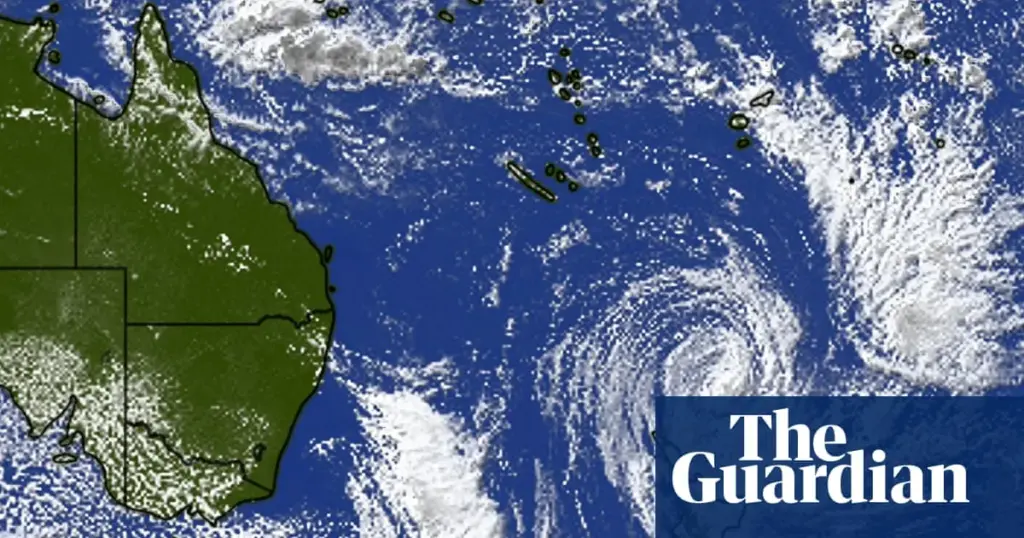
Before the arrival of Tropical Cyclone Vaianu, expectations in New Zealand were relatively stable, with residents preparing for a typical autumn season. However, as meteorological forecasts began to indicate a significant weather event, the situation rapidly escalated. The cyclone is now predicted to impact the North Island, particularly affecting regions such as Waikato, Northland, and Hawke’s Bay.
The decisive moment came when authorities confirmed that Cyclone Vaianu would bring wind speeds of up to 120 to 140 km/h and heavy rainfall. Mandatory evacuations were ordered in parts of Whakatāne and beachfront properties in Hastings, as the cyclone is expected to make landfall on Sunday. States of emergency have been declared in multiple regions, including Waikato and Northland, highlighting the seriousness of the impending storm.
As the cyclone approaches, the direct effects on the communities involved are becoming evident. Residents in low-lying coastal areas, such as Ōpōtiki, have been advised to evacuate immediately. The Whakatāne district council has urged residents to plan to be away for at least two days, emphasizing the potential for severe weather conditions, including coastal flooding and landslides. The population of Whakatāne, approximately 37,150, is now facing the challenges of preparing for the storm’s impact.
Experts have drawn parallels between Cyclone Vaianu and the devastating Cyclone Gabrielle of 2023, which resulted in 11 fatalities and displaced thousands. This historical context adds a layer of urgency to the current situation, as many residents recall the destruction caused by the previous cyclone. Christopher Luxon, a prominent figure in the region, has advised residents to ensure their drains are clear, check on neighbors, and prepare for possible power outages.
Warnings have been issued for heavy rainfall, strong winds, and the potential for landslides, with the most severe conditions likely to occur from late Sunday morning through the afternoon. The cyclone is projected to pass west of the Chatham Islands by Monday, but the immediate focus remains on the North Island, where communities are bracing for impact.
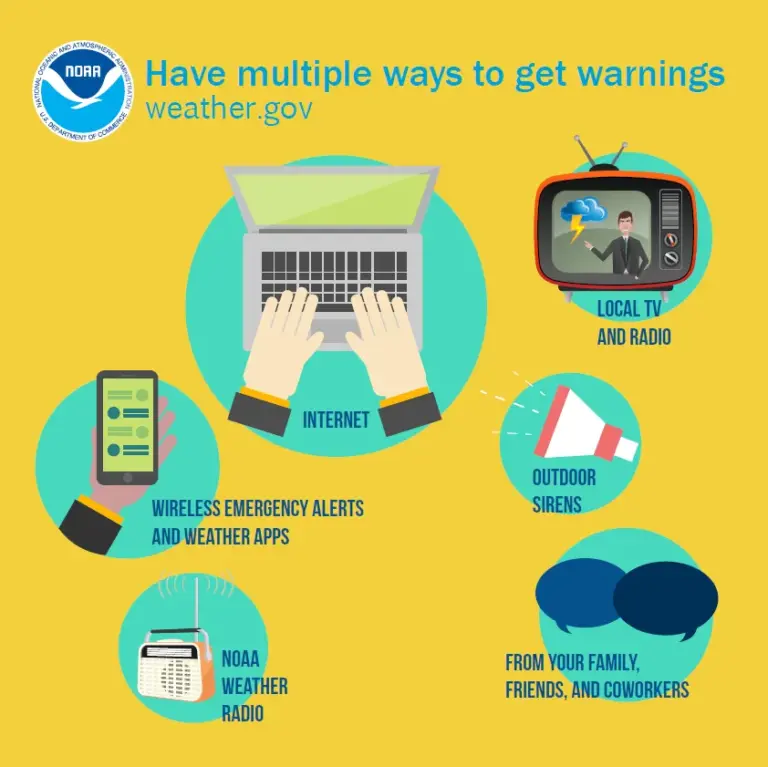
As the storm approaches, the New Zealand government and local authorities are mobilizing resources to assist affected areas. Emergency services are on high alert, and residents are being encouraged to stay informed through official channels. The cyclone’s potential to cause significant damage has heightened concerns among residents, many of whom are still recovering from the impacts of previous natural disasters.
In summary, Tropical Cyclone Vaianu represents a critical moment for New Zealand, particularly for the North Island. With the memory of Cyclone Gabrielle still fresh, the urgency to prepare and respond effectively is paramount. As the situation develops, residents and authorities alike are focused on ensuring safety and minimizing the impact of this severe weather event.