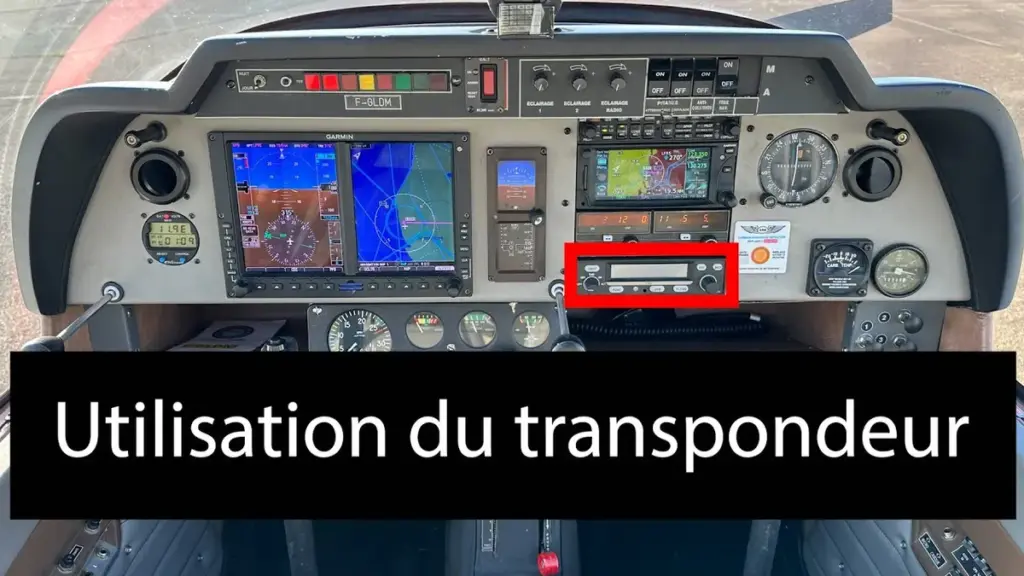
The recent collision between an Air Canada jet and a fire truck at LaGuardia Airport raises critical questions about aviation safety, particularly regarding the role of transponders in preventing such incidents. The investigation by the National Transportation Safety Board (NTSB) is already underway, focusing on the absence of a transponder in the fire truck involved in the accident.
On March 24, 2026, the collision resulted in the tragic deaths of two pilots. The Air Canada flight was carrying 72 passengers and four crew members at the time. According to NTSB Chair Jennifer Homendy, the truck did not have a transponder, which is contrary to Federal Aviation Administration (FAA) recommendations for similar vehicles.
The collision occurred just nine seconds after the fire truck crossed the runway, and the NTSB has indicated that the ASDE-X system failed to generate an alert due to the proximity of vehicles on the runway. This failure raises concerns about the effectiveness of current safety systems in preventing accidents.
During the investigation, it was revealed that the local air traffic controller had instructed the fire truck to stop 12 times before the incident occurred. However, details remain unconfirmed regarding who was responsible for ground control instructions at the time of the accident.
Homendy emphasized that the investigation aims to improve aviation safety rather than assign blame, stating, “There are multiple layers of safety to prevent an accident, so when something goes wrong, it means multiple things have gone wrong.” She also noted that it is uncertain whether alert technology would have prevented the incident due to the speed at which it occurred.
The fire truck was responding to an emergency call from another aircraft, which adds another layer of complexity to the situation. Two air traffic controllers were present in the control tower during the incident, and the NTSB plans to interview the local controller who was on duty at the time.
As the investigation continues, the NTSB has raised concerns about near-miss incidents and runway incursions, which have been a focus of their attention for years. The findings from this investigation could lead to significant changes in safety protocols at airports across the United States.
In summary, the tragic accident at LaGuardia Airport highlights the critical need for effective safety measures, particularly concerning the use of transponders in ground vehicles. The outcome of the NTSB investigation will be closely monitored as it seeks to address these pressing safety issues.