What Happened
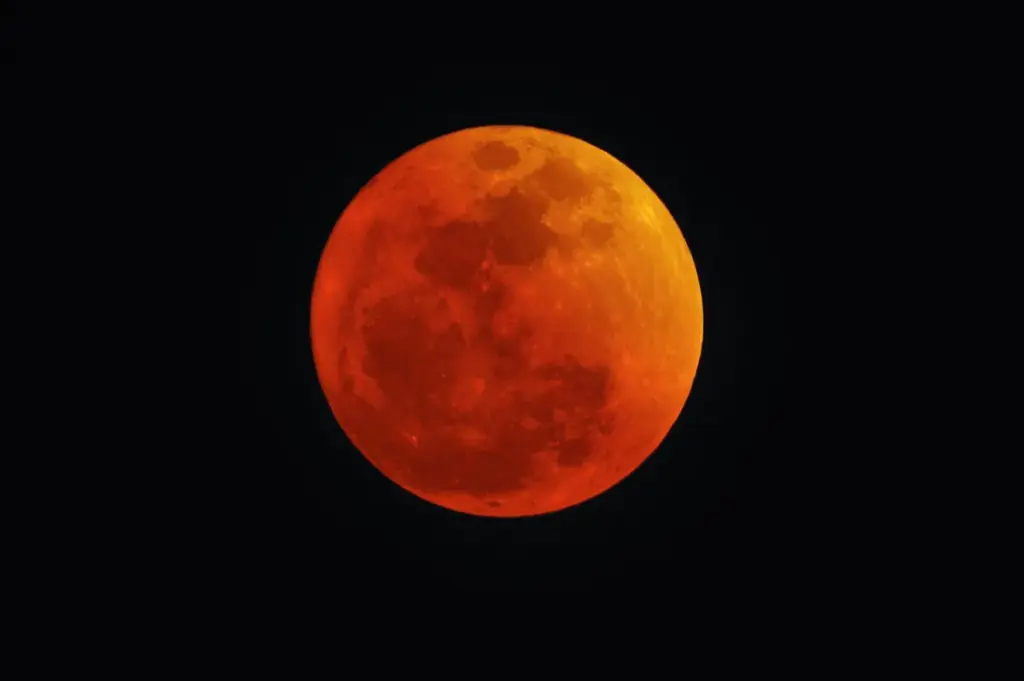
A total lunar eclipse, known as a blood moon, is set to occur on March 3, 2026. This astronomical event will be visible across the Americas, Asia, and Oceania, as the Earth passes directly between the sun and the moon, casting a shadow on the lunar surface. The eclipse will begin at 12:44 a.m. PT (3:44 a.m. ET) and will feature a totality phase where the moon will appear coppery red, lasting approximately 30 minutes from 3:33 a.m. to 4:02 a.m. PT.
Why It Matters
The blood moon total lunar eclipse is a significant celestial event that allows observers to witness the intricate mechanics of our solar system. During this phenomenon, the moon’s typical grey-white glow will be replaced by a reddish hue due to sunlight filtering through Earth’s atmosphere. Matthew Cimone, a senior space science interpreter at the HR MacMillan Space Centre, emphasizes the accessibility of this event, stating that it can be viewed from almost anywhere with a clear sky.
What’s Next
Sky watchers are encouraged to find a comfortable viewing location away from tall buildings and trees to fully appreciate the eclipse. As the event approaches, individuals can stay updated on specific viewing times and conditions by checking local resources and eclipse trackers. This total lunar eclipse blood moon is an opportunity for both seasoned astronomers and casual observers to engage with the wonders of the universe.